

What Makes Compression Cubes Different
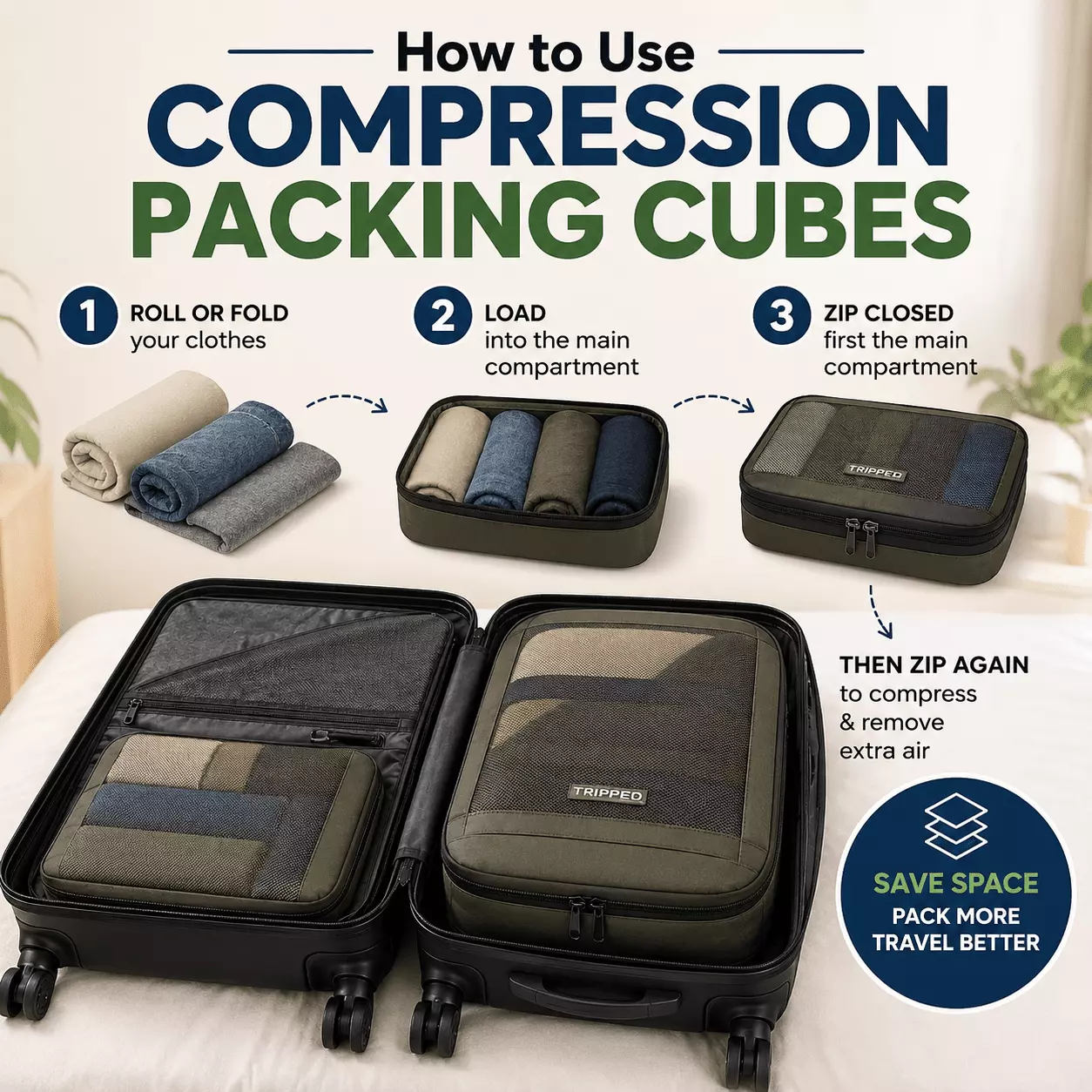
Compression cubes look almost identical to standard cubes from the outside. The real difference lies in the zipper count. A main zip opens the compartment where clothes go, while a second compression zip runs around the outside edge.
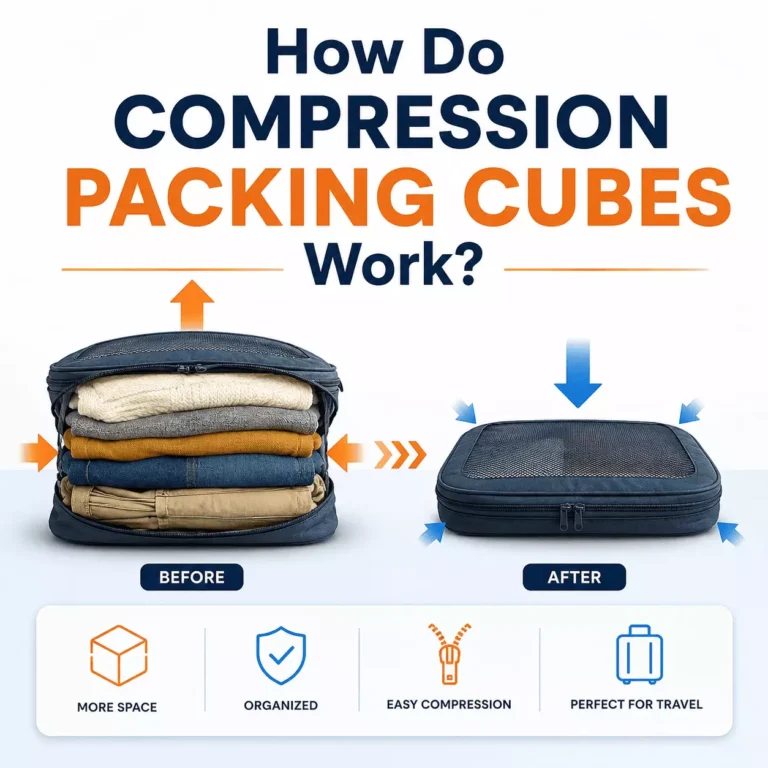
That second zipper is what sets this style apart from basic organisers. Pulling it squeezes trapped air out through the fabric, flattening the load. The result is a noticeably thinner, more compact cube than before.
Quick Facts
| Step | What to Know |
|---|---|
| Fold or Roll | Rolling clothing usually compresses better than folding and helps minimize wrinkles on most soft garments. |
| Fill Level | Fill each compression cube to around 80–90% of its capacity before closing the zipper. |
| Zip Order | Close the main zipper first, then use the compression zipper to reduce the cube’s volume. |
| Best Fabrics | Compression works best for T-shirts, knitwear, activewear, underwear, and other soft clothing. |
| Worst Fabrics | Avoid heavily compressing denim, blazers, heavy coats, and other stiff or structured garments. |
| Suitcase Placement | Place compression cubes at the bottom or along the sides of your suitcase to improve balance and stability. |
| Common Mistake | Overfilling the cube or attempting to compress it before the main zipper is fully closed can strain the zipper and reduce its lifespan. |
| Ideal Use | Compression packing cubes are especially useful for carry-on luggage and long international trips where maximizing space is important. |
Step One: Fold or Roll Correctly
Rolling almost always beats folding for compression purposes. How to roll clothes for compression packing cubes starts with laying the item flat and smoothing out wrinkles. Fold the sides in first, then roll tightly from one end to the other, sometimes called the burrito roll.
How Do Compression Packing Cubes Work
How to Pack with Packing Cubes for Maximum Luggage Space
How Do Packing Cubes Work? Benefits, Tips & Best Practices
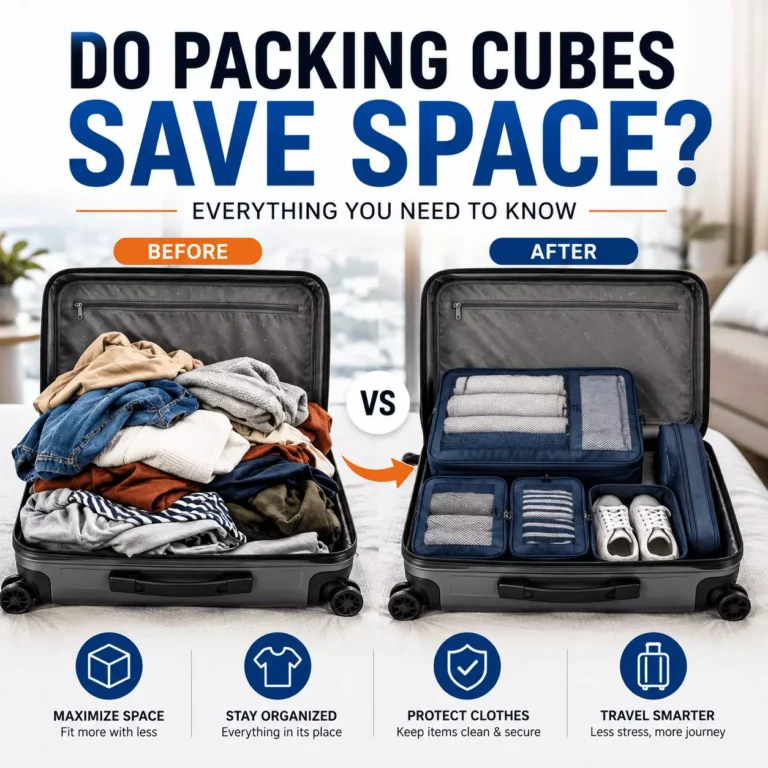
Do Packing Cubes Save Space? Everything You Need to Know
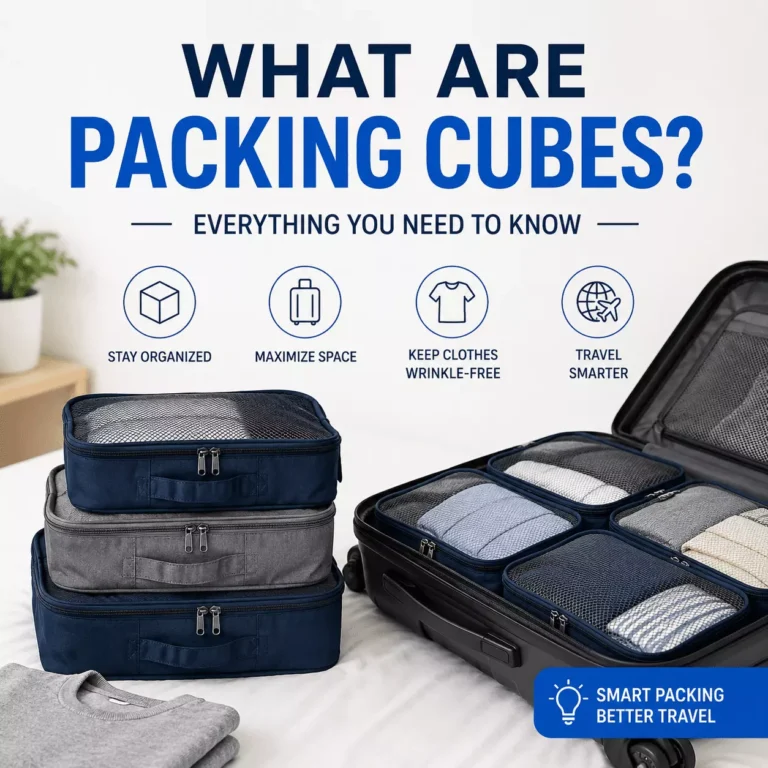
What Are Packing Cubes? Everything You Need to Know
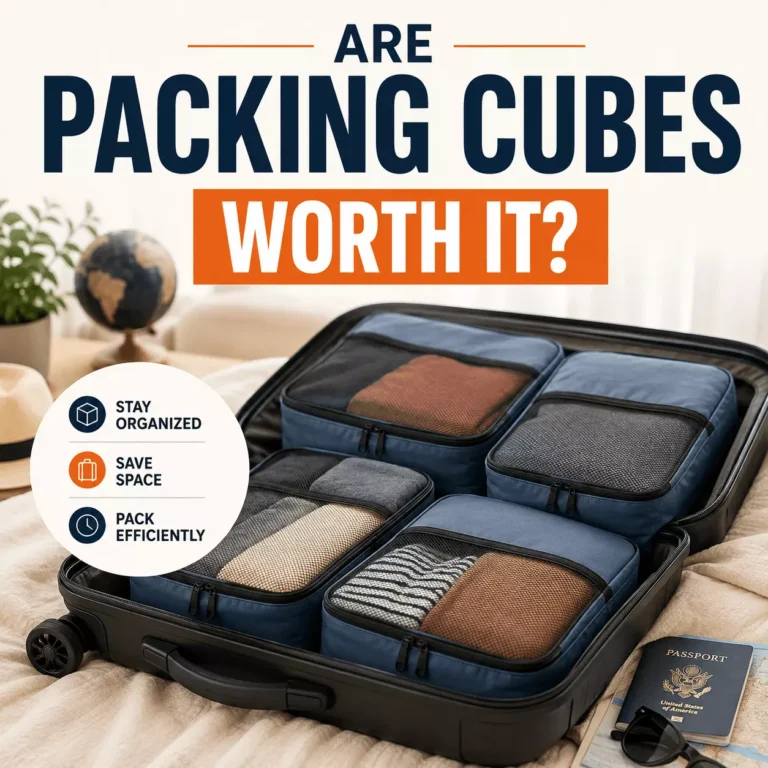
Are Packing Cubes Worth It
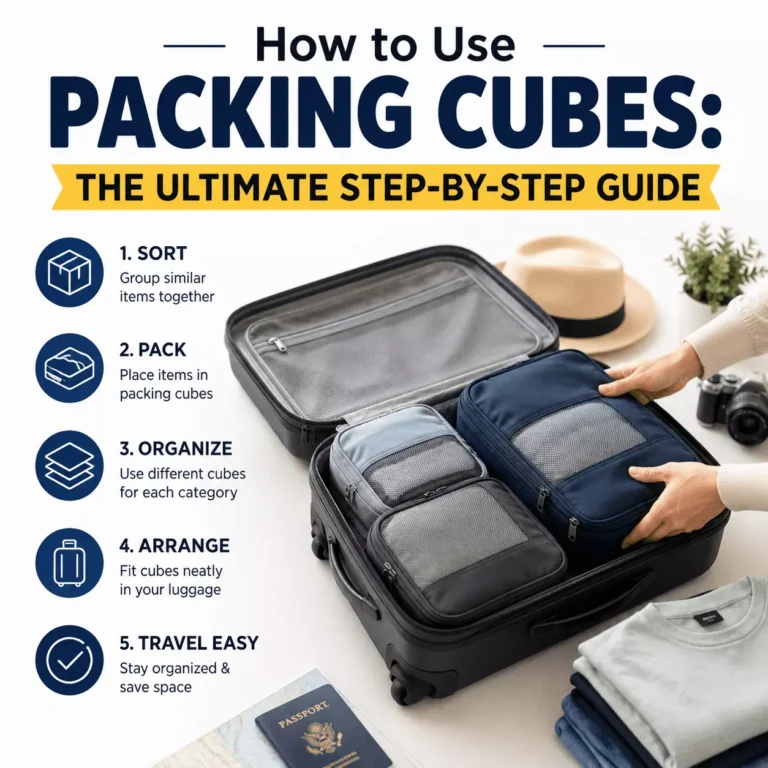
How to Use Packing Cubes: The Ultimate Step-by-Step Guide
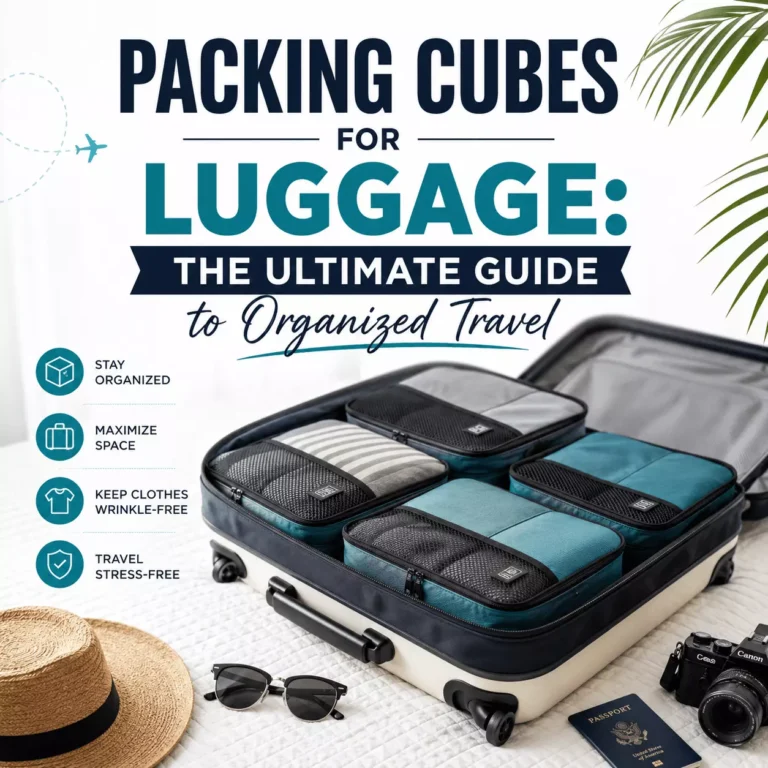
Vacuum Packing Cubes: The Ultimate Guide to Organized Travel
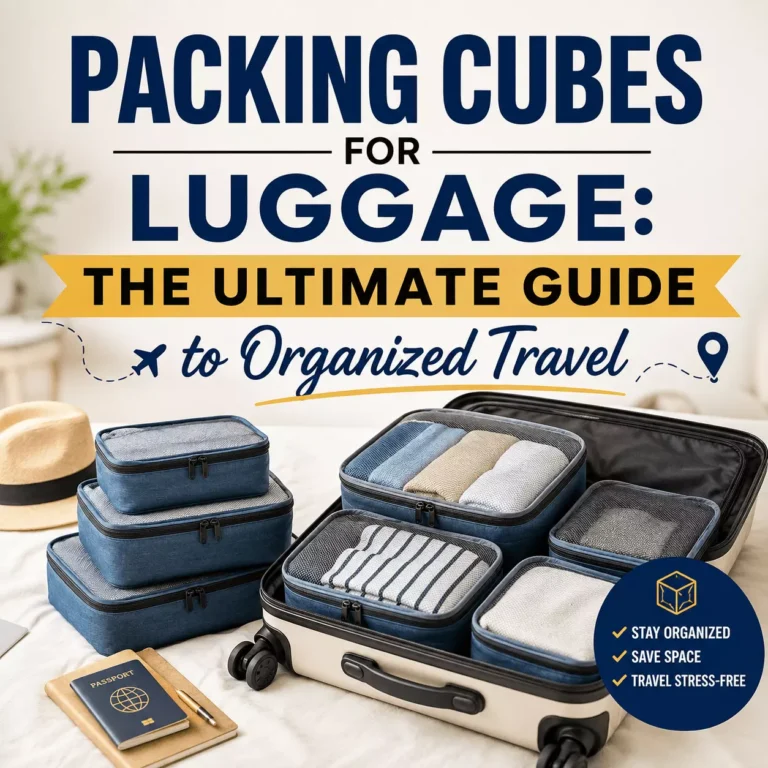
Packing Cubes for Luggage: The Ultimate Guide to Organized Travel
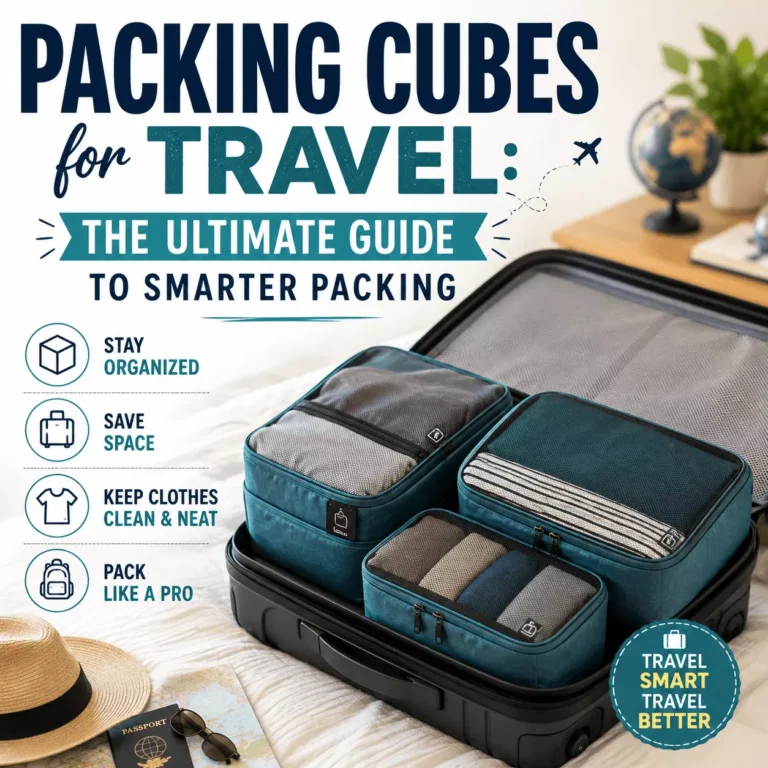
Packing Cubes for Travel: The Ultimate Guide to Smarter Packing
Folding still has a place for structured pieces. How to fold clothes for compression packing cubes works best by matching the fold width to the cube’s own dimensions. Stack folded items on top of each other, tucking edges in as you go.
Folding instead of rolling creates small air pockets that reduce compression later. Rolling avoids this problem almost entirely. Stick to rolling whenever the fabric allows it.
Step Two: Load and Zip the Main Compartment
Layer heavier items like jeans near the bottom of the cube first. Add lighter pieces like t-shirts on top of that base layer. This order keeps the load stable once you start compressing.
How to zip compression packing cubes correctly means closing the main zipper fully before touching the second one. Skipping this step causes clothes to shift and bunch awkwardly. A properly sealed main compartment sets up the compression step to actually work.
Step Three: Engage the Compression Zipper
With the main zipper closed, pull the compression zip slowly around every side. You will feel the cube flatten as trapped air gets pushed out through the fabric. Moving too fast can strain the seams or cause the zipper to snag.
How Do Compression Packing Cubes Work
How to Pack with Packing Cubes for Maximum Luggage Space
How Do Packing Cubes Work? Benefits, Tips & Best Practices
Do Packing Cubes Save Space? Everything You Need to Know
What Are Packing Cubes? Everything You Need to Know
Are Packing Cubes Worth It
How to Use Packing Cubes: The Ultimate Step-by-Step Guide
Vacuum Packing Cubes: The Ultimate Guide to Organized Travel
Packing Cubes for Luggage: The Ultimate Guide to Organized Travel
Packing Cubes for Travel: The Ultimate Guide to Smarter Packing
How to fix a stuck compression cube zipper is a common question among first-time users. Run a finger along the seam to smooth out any bunched fabric first. Guiding the zipper with one hand while pulling with the other usually solves the problem.
How Full to Pack Before Compressing
Overfilling is the single biggest mistake with this system. How much to fill compression packing cubes matters more than most buyers expect at first. Aim for about 80 to 90 percent capacity, leaving just enough room for the compression zip to work.
A cube packed to the brim resists closing on both zippers. That resistance strains the fabric and shortens the zipper’s lifespan over time. A little restraint during the loading step avoids this problem completely.
Using the System the Right Way
How to use compression packing cubes properly also depends on picking the right items for this treatment. Soft, flexible fabric responds best to the squeeze. Stiff or bulky items barely compress no matter how carefully you pack them.
Consistency matters just as much as technique. Using the same fold or roll method across every cube keeps results predictable. A little practice at home before a real trip helps build that consistency fast, and it saves real frustration once you are actually packing under time pressure.
What to Compress and What to Skip
T-shirts, knitwear, and activewear compress beautifully under this system. Underwear and socks also respond well to the squeeze. These soft fabrics are exactly what compression cubes were designed for.
Rigid items tell a different story entirely. Stiff denim, blazers, and heavy coats barely shrink under compression. Save those items for a standard cube instead, where organization matters more than squeeze.
How Do Compression Packing Cubes Work
How to Pack with Packing Cubes for Maximum Luggage Space
How Do Packing Cubes Work? Benefits, Tips & Best Practices
Do Packing Cubes Save Space? Everything You Need to Know
What Are Packing Cubes? Everything You Need to Know
Are Packing Cubes Worth It
How to Use Packing Cubes: The Ultimate Step-by-Step Guide
Vacuum Packing Cubes: The Ultimate Guide to Organized Travel
Packing Cubes for Luggage: The Ultimate Guide to Organized Travel
Packing Cubes for Travel: The Ultimate Guide to Smarter Packing
Packing for a Trip: Putting It All Together
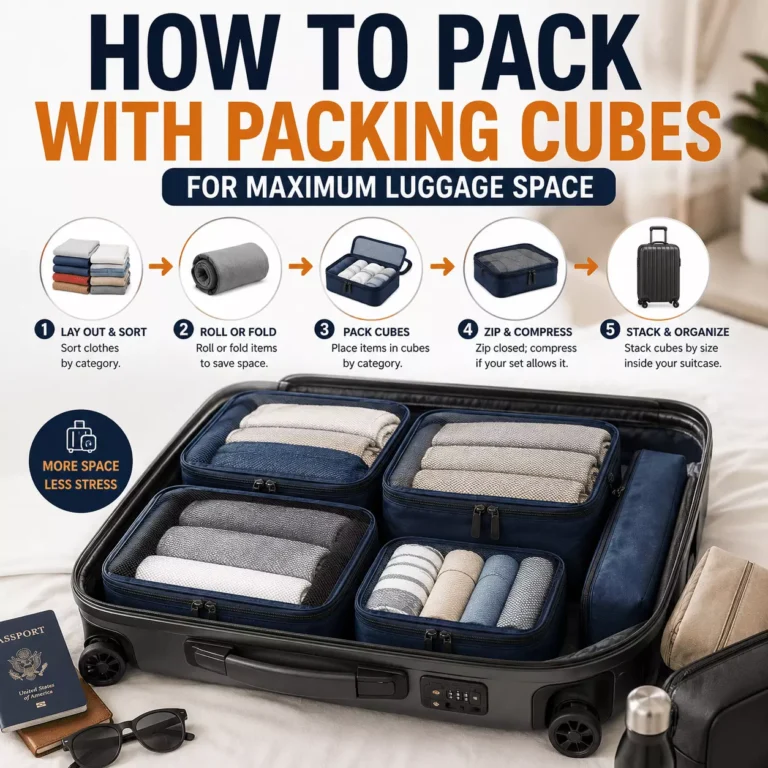
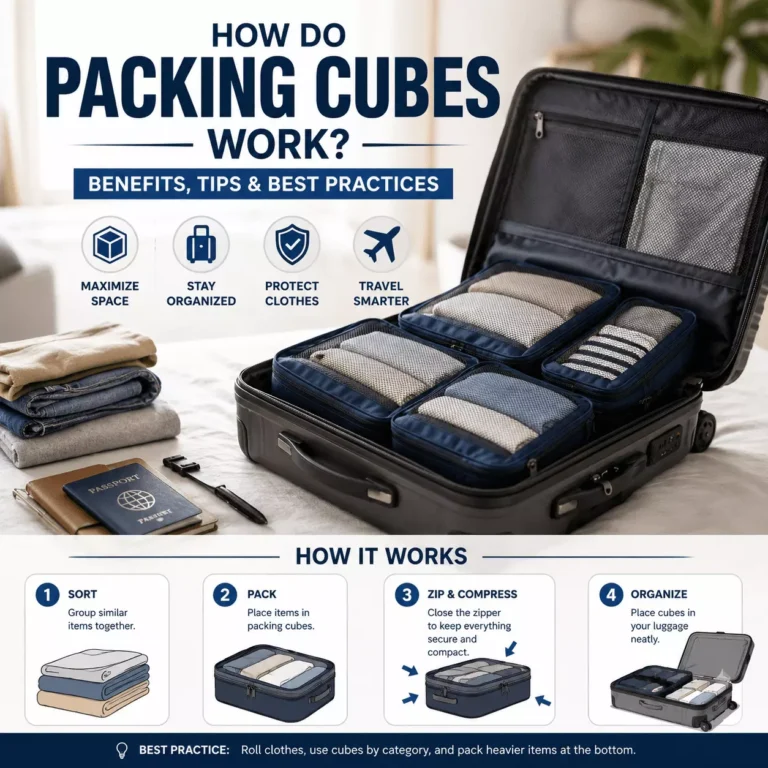
How to pack compression packing cubes for travel starts with sorting clothes by category before anything else. Group tops, bottoms, and undergarments into separate cubes. This structure makes both compression and later unpacking far easier.
A hybrid approach works well for mixed trip types. Compress casual clothes fully while leaving dress items in a standard, uncompressed cube. That balance saves space without wrinkling clothes that need to stay crisp, which matters most on business trips with a mix of formal and casual days.
Loading Compressed Cubes Into Your Suitcase
How to use compression cubes in a suitcase effectively means placing them at the bottom or sides of the bag. Their flat, uniform shape stacks tightly against other cubes with almost no wasted gaps. This layout keeps the whole suitcase balanced during transit.
Alternate heavier and lighter cubes as you load the bag. This layering approach distributes weight evenly across the case. A well-balanced suitcase also rolls more smoothly through an airport.
Compression Cubes for Carry-On Travel
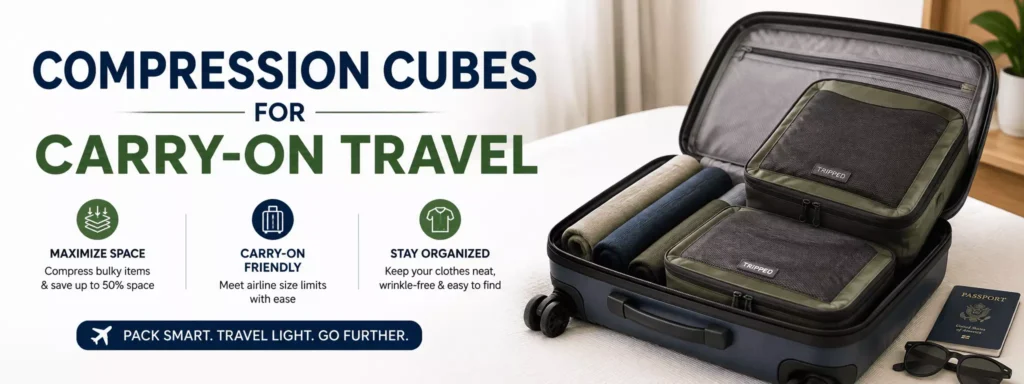
How to use compression packing cubes for carry-on space means squeezing every soft item down as much as possible. Tight overhead compartments reward the flattest, most compact shapes available. Standard cubes simply cannot match this level of space efficiency.
How to use compression packing cubes for a carry-on bag also means checking your airline’s exact size limits beforehand. A properly compressed set gives you the best chance of meeting strict dimensions. Business travelers especially benefit from fitting a full week of clothes into one small bag.
Common Mistakes to Avoid
Overfilling the main compartment causes the most frequent problems. If the main zip struggles to close, the compression zip has no chance of working properly. Remove an item or two rather than forcing either zipper shut.
How Do Compression Packing Cubes Work
How to Pack with Packing Cubes for Maximum Luggage Space
How Do Packing Cubes Work? Benefits, Tips & Best Practices
Do Packing Cubes Save Space? Everything You Need to Know
What Are Packing Cubes? Everything You Need to Know
Are Packing Cubes Worth It
How to Use Packing Cubes: The Ultimate Step-by-Step Guide
Vacuum Packing Cubes: The Ultimate Guide to Organized Travel
Packing Cubes for Luggage: The Ultimate Guide to Organized Travel
Packing Cubes for Travel: The Ultimate Guide to Smarter Packing
Compressing before sealing the main zipper is another common error. Always zip the main compartment first, then move to the compression second. Reversing that order leads to bunched, uneven results every time.
Packing rigid items into a compression cube wastes the feature entirely. Jeans, blazers, and heavy coats do not compress well and simply take up space. Save compression cubes for the soft fabrics that actually benefit from the squeeze.
Why Trust This Guide
This guide draws on hands-on packing techniques confirmed across multiple current travel resources and product instructions. Every step reflects what shows up consistently in real user experience, not guesswork. We cross-check details against several sources before publishing.
A useful guide should walk through the exact technique, not just describe the concept. That balance is why this article breaks the process into clear, sequential steps. Readers deserve a system they can actually follow on their next trip.
Frequently Asked Questions
Do you zip the main compartment or the compression zipper first?
Always close the main compartment fully first. The compression zipper comes second, once everything is sealed. Reversing this order causes uneven, bunched results.
What clothes compress best in these cubes?
Soft fabrics like t-shirts, knitwear, and activewear compress well. Underwear and socks respond nicely, too. Stiff items like denim barely shrink at all.
Can compression cubes damage delicate fabric?
Rarely, though, very fragile items may wrinkle under pressure. Rolling instead of folding reduces this risk. Reserve delicate pieces for a standard, uncompressed cube.
How do you stop a compression zipper from snagging?
Smooth out bunched fabric along the seam with a finger first. Guide the zipper with one hand while pulling with the other. Moving slowly prevents most snags entirely.
Are compression cubes worth using for a short trip?
Sometimes not, since the extra step may feel unnecessary. A standard cube often suffices for a quick weekend trip. Longer trips see the clearest benefit from compression.
How Do Compression Packing Cubes Work
How to Pack with Packing Cubes for Maximum Luggage Space
How Do Packing Cubes Work? Benefits, Tips & Best Practices
Do Packing Cubes Save Space? Everything You Need to Know
What Are Packing Cubes? Everything You Need to Know
Are Packing Cubes Worth It
How to Use Packing Cubes: The Ultimate Step-by-Step Guide
Vacuum Packing Cubes: The Ultimate Guide to Organized Travel
Packing Cubes for Luggage: The Ultimate Guide to Organized Travel
Packing Cubes for Travel: The Ultimate Guide to Smarter Packing
Can you compress shoes or toiletries?
Not effectively, since these items already hold a fixed shape. Use a separate pouch or bag for shoes instead. Save compression cubes strictly for soft clothing.
How do compression cubes fit in checked versus carry-on bags?
Checked bags offer more flexible space for bulkier compressed cubes. Carry-on bags benefit most from the flattest possible shape. Match your compression level to the bag you are using.
Final Thoughts
Mastering this technique comes down to one simple sequence: roll or fold, load, zip the main closure, then compress last. Stick to the 80 to 90 percent fill rule and save the squeeze for soft, flexible fabric. Once this habit clicks, every future trip fits into a smaller bag with far less effort.
Practice the full sequence once at home before a big trip. A quick trial run reveals which fold or roll method works best for your wardrobe. That small bit of preparation makes the real packing day much faster and far less stressful.
Explore All 14 Travel Essentials Categories
- Luggage & Bags
- Packing Organisation & Cubes
- Travel Tech & Electronics
- Toiletries & Travel-Size
- Travel Comfort
- Travel Safety & Security
- Packing Lists by Trip Type
- Packing Lists by Destination
- Travel Documents & Money
- Travel Clothing & Footwear
- Health, Hygiene & First-Aid
- Airport, Airline & Rules
- Essentials Guide
- Essentials for Women, Men & Family