

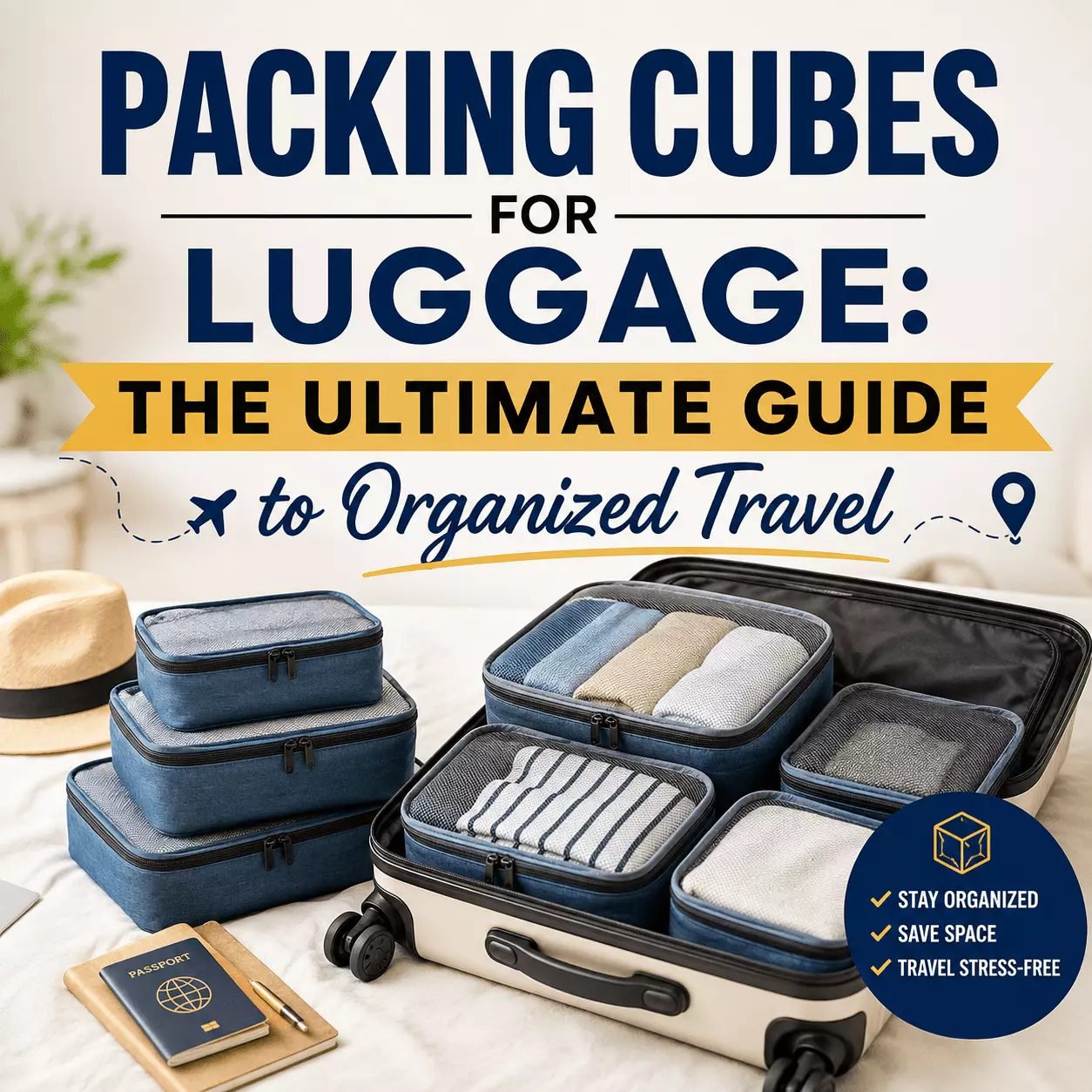
How Packing Cubes Fit Inside Your Luggage
Soft-sided bags flex around cube shapes easily. Hard-side suitcases have fixed compartments, so cube size matters more there. Luggage packing cubes work best when their shape matches the bag’s internal layout closely.
Rectangular cubes stack neatly against flat suitcase walls. Rounded or bulky cubes waste corner space in a hard-shell case. Test your cubes in an empty bag before your first real trip.
Most travelers use a mix of sizes in one suitcase. Small cubes fill gaps near wheels and handles. Larger cubes take up the main open space in the centre.
Quick Facts Table
| Feature | What to Know |
|---|---|
| Common Set Sizes | Packing cubes are commonly available in 3-piece, 4-piece, and 6-piece sets for different packing needs. |
| Best Fabric | Ripstop nylon is lightweight, tear-resistant, and one of the most durable materials for travel packing cubes. |
| Zipper Quality | Choose cubes with YKK zippers or other premium-quality zippers for smooth operation and long-lasting durability. |
| Space Saved (Compression) | Compression packing cubes can reduce clothing volume by approximately 20–50%, depending on the fabric and packing method. |
| Best For | Perfect for organizing shirts, sweaters, shoes, socks, and dirty laundry inside your suitcase. |
| Not Ideal For | Not recommended for fragile electronics, liquids, or delicate items that may be damaged by compression. |
| Price Range | Most quality packing cube sets cost between $15 and $80, depending on the brand, size, and material. |
| Care | Most packing cubes are machine washable. Air drying helps preserve the fabric and zipper quality. |
Do They Actually Save Space
Sorting alone does not save space, only organisation. Compression is what actually shrinks the load inside your bag. Do packing cubes save space in luggage? Yes, but only the compression style delivers real volume reduction.
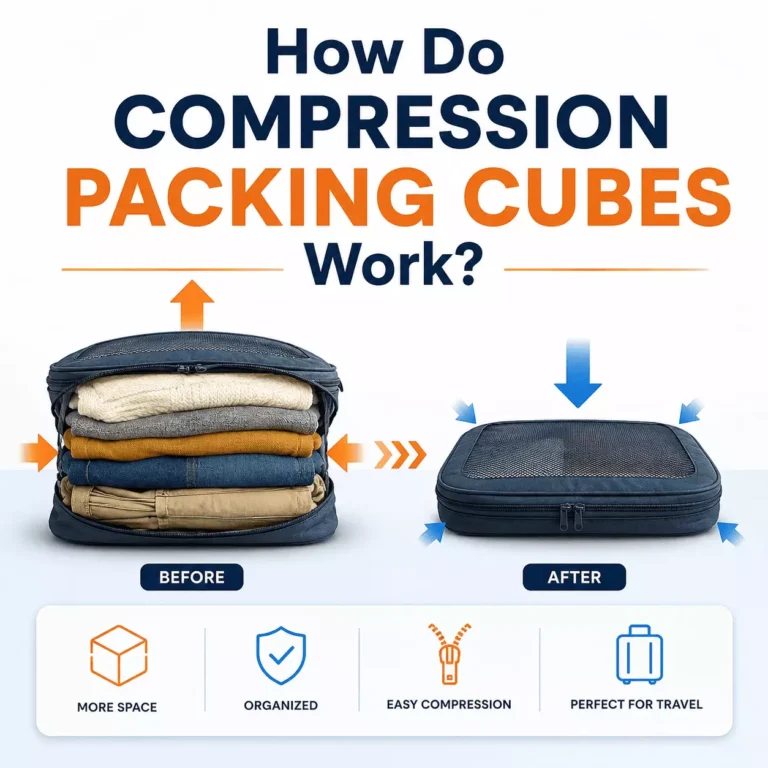
How Do Compression Packing Cubes Work
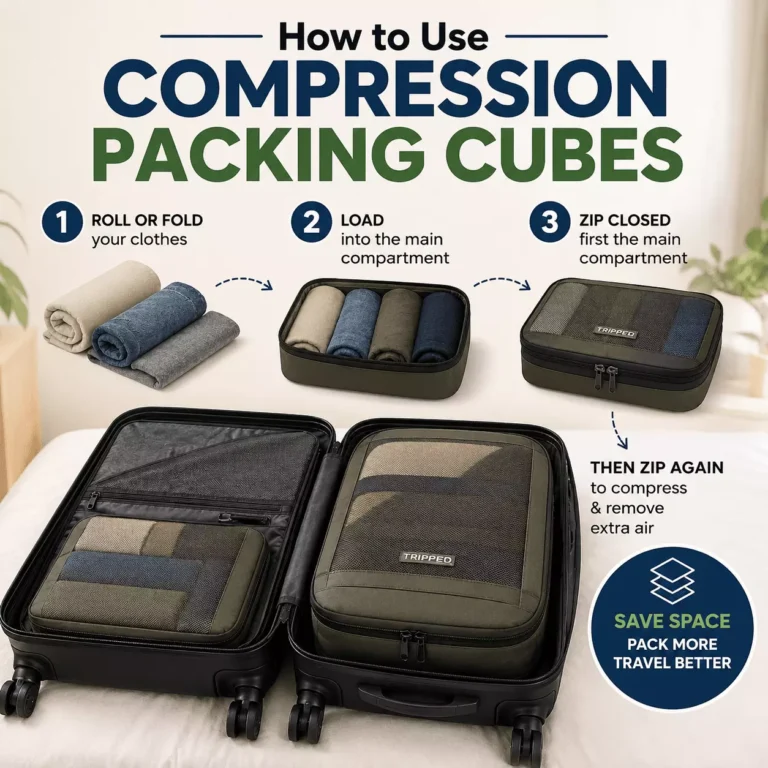
How to Use Compression Packing Cubes
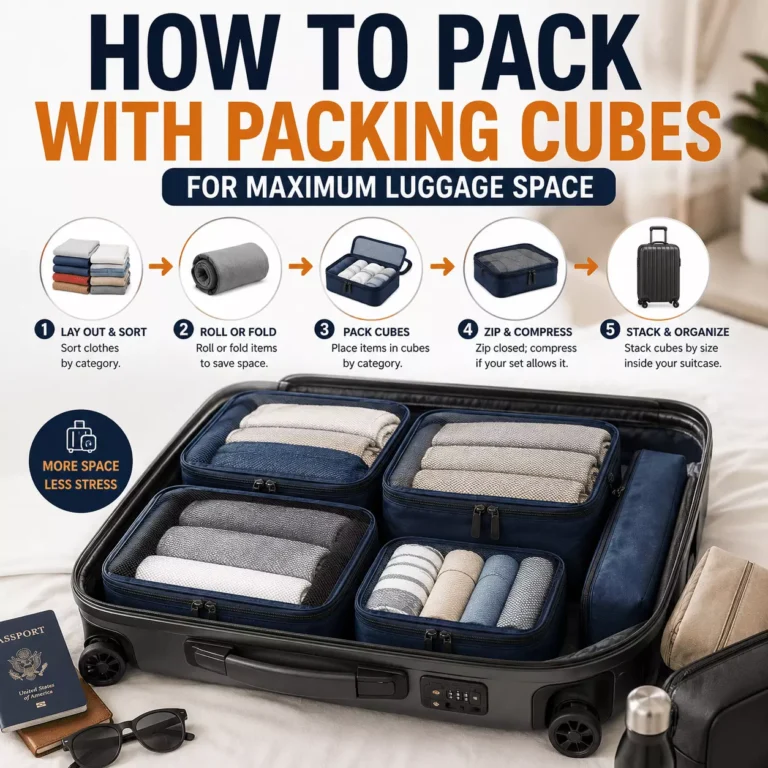
How to Pack with Packing Cubes for Maximum Luggage Space
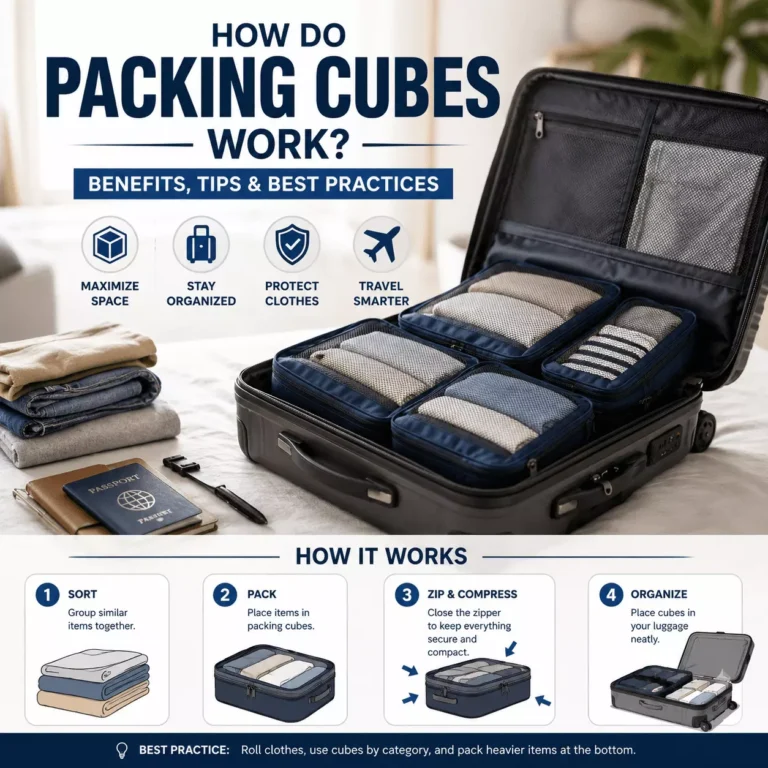
How Do Packing Cubes Work? Benefits, Tips & Best Practices
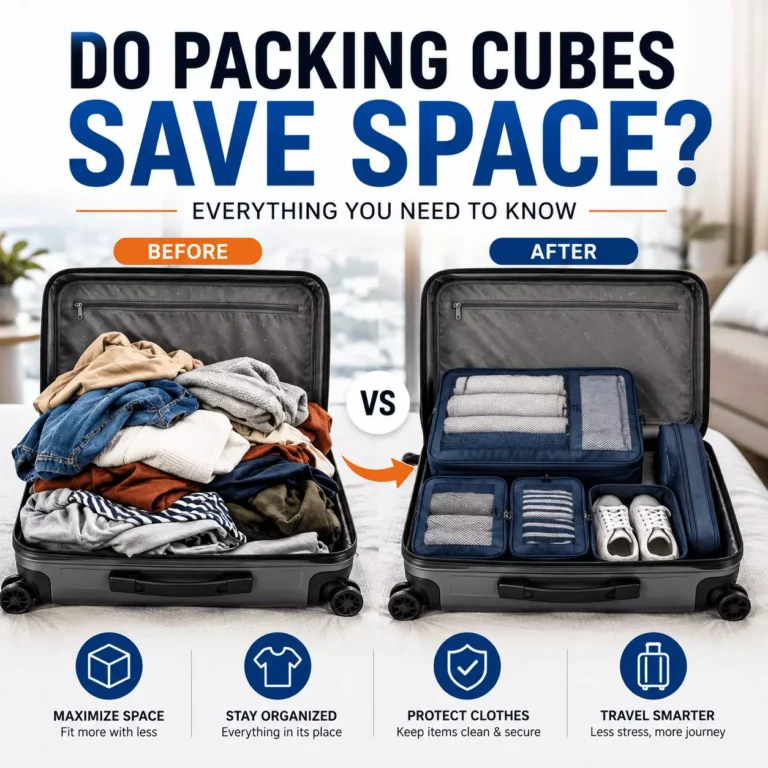
Do Packing Cubes Save Space? Everything You Need to Know
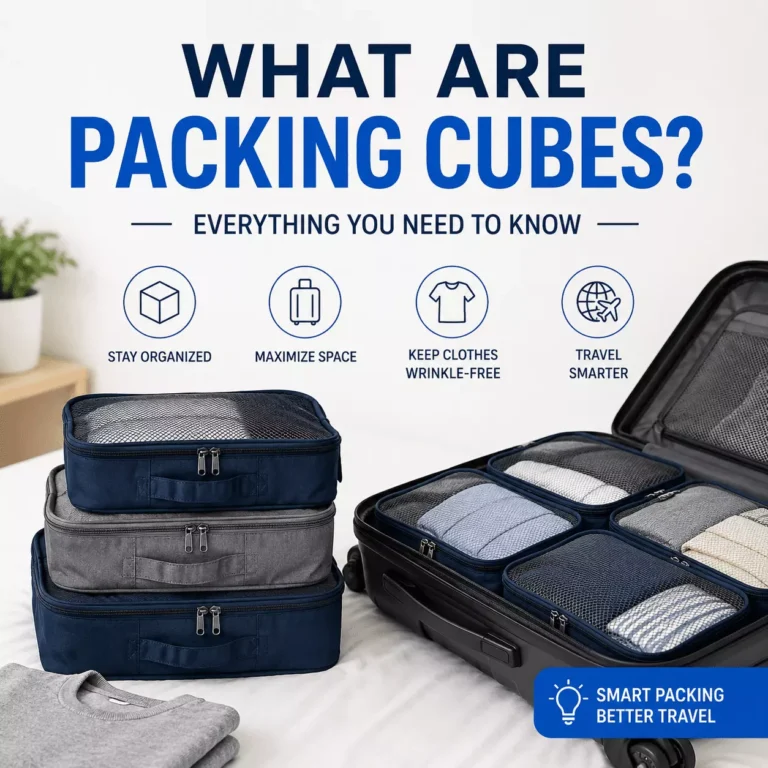
What Are Packing Cubes? Everything You Need to Know
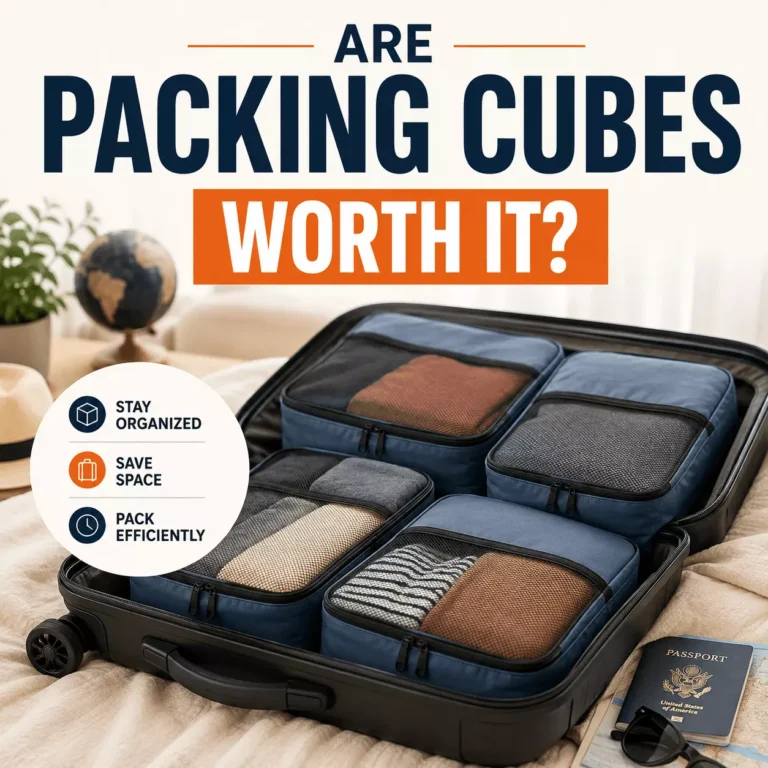
Are Packing Cubes Worth It
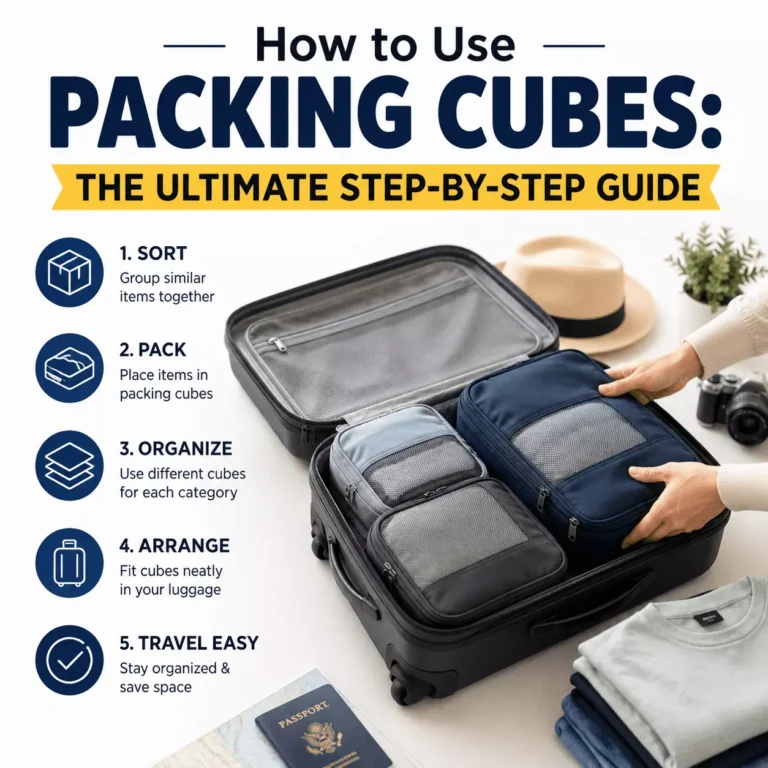
How to Use Packing Cubes: The Ultimate Step-by-Step Guide
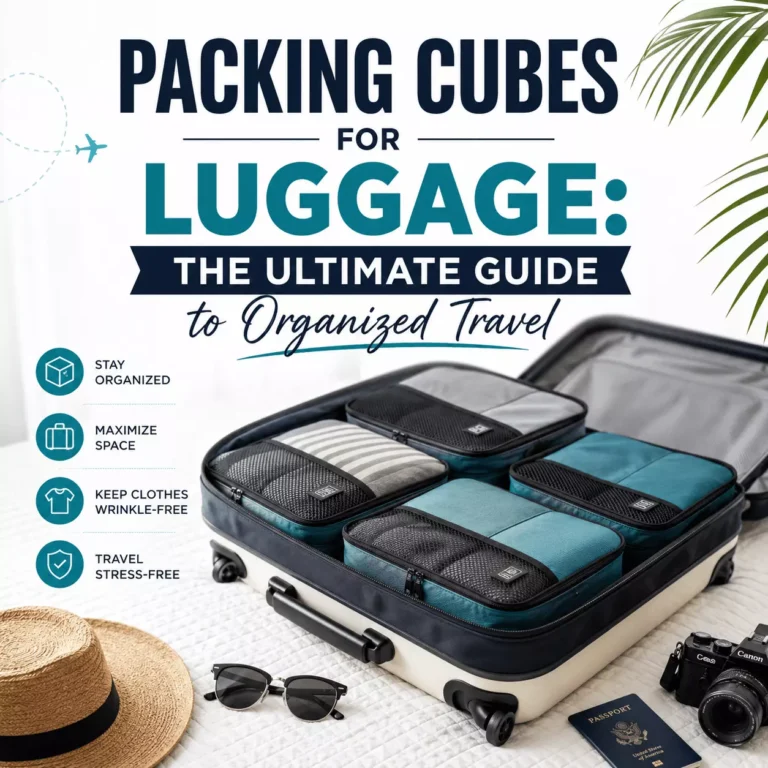
Vacuum Packing Cubes: The Ultimate Guide to Organized Travel
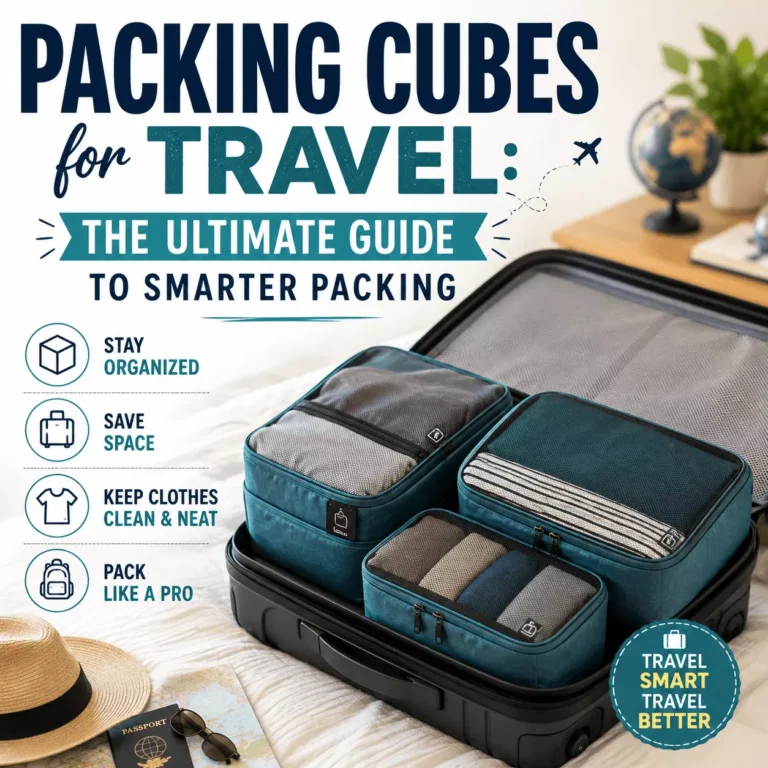
Packing Cubes for Travel: The Ultimate Guide to Smarter Packing
Soft items like sweaters and towels compress well under a second zipper. Shoes and stiff items barely shrink, no matter how hard you push. Expect a 20 to 50 percent volume drop on soft clothing alone.
Standard cubes without compression still help indirectly. Neat stacking prevents the wasted gaps that loose clothing usually creates. That alone can free up meaningful room in a packed bag.
Fitting Cubes Into Carry-On Bags
Space gets tight fast inside a carry-on. Packing cubes for carry on luggage need a slim, low-profile shape to slide into narrow gaps. Flat pouches beat boxy ones every time in tight spaces.
Which packing cubes fit carry on luggage? Look for sets under two inches thick per cube when packed. Thinner cubes stack easier against a rolling bag’s curved interior wall.
Among current options, the best packing cubes for carry on luggage combine light fabric with a slim profile. Brands like Peak Design and Eagle Creek build sets specifically sized for standard carry-on dimensions. Always double-check your airline’s exact size limits before buying a new bag to match.
How Do Compression Packing Cubes Work
How to Use Compression Packing Cubes
How to Pack with Packing Cubes for Maximum Luggage Space
How Do Packing Cubes Work? Benefits, Tips & Best Practices
Do Packing Cubes Save Space? Everything You Need to Know
What Are Packing Cubes? Everything You Need to Know
Are Packing Cubes Worth It
How to Use Packing Cubes: The Ultimate Step-by-Step Guide
Vacuum Packing Cubes: The Ultimate Guide to Organized Travel
Packing Cubes for Travel: The Ultimate Guide to Smarter Packing
Top Organizer Picks and Brands
Eagle Creek and Peak Design consistently rank high for build quality and thoughtful pocket layouts. Away and Baggalini focus more on style, offering coordinated colors across a full set. Briggs and Riley sits at the premium end, backed by a strong repair warranty.
Budget shoppers often turn to bagail packing cubes and luggage packing organizers for a lower cost entry point. These sets trade some durability for a much lower price tag. They still handle occasional trips just fine.
Families or long-term travelers sometimes need more room than a standard set offers. A packing cube luggage organizer, fits bulky items like jackets or bedding rolls. Pair one large cube with several smaller ones for full coverage.
Luggage That Comes With Cubes Built In
Some suitcases now ship with matching organizer pouches included. Luggage with packing cubes saves you a separate purchase and guarantees a proper size fit. This bundled approach works well for first-time buyers.
What luggage sets come with packing cubes? Several mid-range travel backpack bundles and carry-on kits now include two to four standard cubes. Peak Design and a handful of direct-to-consumer luggage brands lead this trend. Check the product listing closely, since photos sometimes show accessories sold separately.
Buying a bundle can cost less than purchasing pieces individually. It also removes the guesswork of matching cube size to bag shape. The tradeoff is less flexibility if you want a specific brand of cube instead.
Sizing and Material Basics
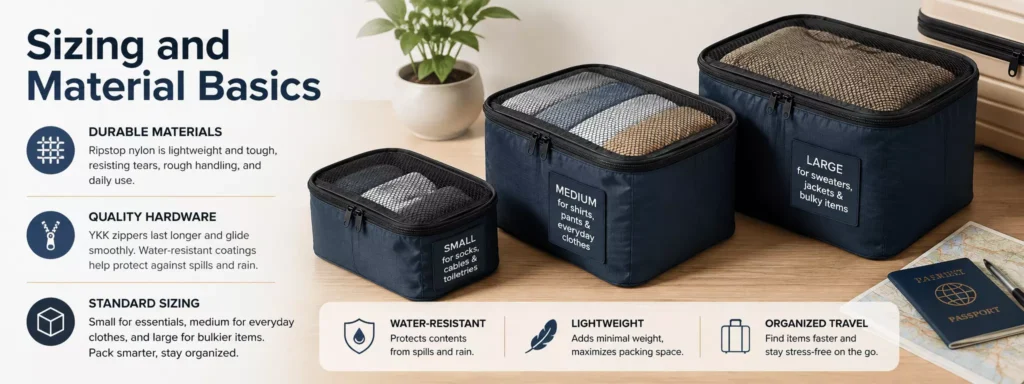
Ripstop nylon remains the most common fabric choice across brands. It resists small tears from sharp zipper pulls and rough handling. Mesh top panels add visibility but wear out faster than solid fabric over time.
YKK zippers show up often in higher-end sets since they handle years of daily use. Water-resistant coatings help protect contents from spills or light rain. Weigh an empty set before buying if ounces matter for your trip.
How Do Compression Packing Cubes Work
How to Use Compression Packing Cubes
How to Pack with Packing Cubes for Maximum Luggage Space
How Do Packing Cubes Work? Benefits, Tips & Best Practices
Do Packing Cubes Save Space? Everything You Need to Know
What Are Packing Cubes? Everything You Need to Know
Are Packing Cubes Worth It
How to Use Packing Cubes: The Ultimate Step-by-Step Guide
Vacuum Packing Cubes: The Ultimate Guide to Organized Travel
Packing Cubes for Travel: The Ultimate Guide to Smarter Packing
Standard sizing usually breaks into small, medium, and large. Small cubes suit socks, cables, and toiletry pouches. Large cubes handle sweaters, jackets, and bulkier folded items.
Why Trust This Guide
This guide draws on hands-on packing habits and current retailer listings. Every brand mention reflects what shows up in real travel gear reviews, not guesswork. We cross-check details against multiple sources before publishing.
Real travelers face trade-offs between weight, space, and cost. A useful guide should cover all three angles, not push one brand. That balance is why this article compares budget picks alongside premium sets throughout.
Common Mistakes to Avoid
Buying the biggest set available often backfires. Oversized cubes tempt you to overpack and add unwanted weight. Match cube sizes to your actual trip length instead.
Skipping a test pack before your first trip is another common error. Cubes that looked fine online sometimes do not match your bag’s shape. Test the full set at home before departure day.
Ignoring fabric weight is a third mistake many buyers make. Heavy canvas cubes add ounces that defeat the purpose of packing light. Compare the empty set weight across a few options before deciding.
Frequently Asked Questions
How do you use packing cubes properly?
Group items by category, not by random order. Roll clothes before placing them inside a cube. Zip slowly on compression styles to avoid seam strain.
What size cube works best for a carry-on?
A slim, low-profile cube under two inches thick works best. Medium sizes cover most shirts and pants. Save larger cubes for checked bags only.
Do cubes work in hard-sided suitcases?
Yes, but rectangular shapes fit best against flat interior walls. Rounded cubes can waste corner space. Match cube shape to your case’s internal layout.
How Do Compression Packing Cubes Work
How to Use Compression Packing Cubes
How to Pack with Packing Cubes for Maximum Luggage Space
How Do Packing Cubes Work? Benefits, Tips & Best Practices
Do Packing Cubes Save Space? Everything You Need to Know
What Are Packing Cubes? Everything You Need to Know
Are Packing Cubes Worth It
How to Use Packing Cubes: The Ultimate Step-by-Step Guide
Vacuum Packing Cubes: The Ultimate Guide to Organized Travel
Packing Cubes for Travel: The Ultimate Guide to Smarter Packing
Can one set fit both a checked bag and a backpack?
Yes, most cube sets adapt to different bag shapes fine. Backpacks may need slightly more compression for tight gaps. Checked bags offer more flexible space overall.
How many cubes should a week-long trip need?
Three to four cubes usually cover a week away. Add a shoe pouch if you pack extra footwear. More than that often goes unused.
Are compression cubes worth the extra cost?
Yes, for frequent flyers who pack heavier loads regularly. Occasional travelers may not notice the difference much. Standard cubes work fine for shorter trips.
How do you keep cubes from wearing out?
Avoid overstuffing zippers past their natural limit. Wash on a gentle cycle and air dry fully. Store cubes flat instead of crumpled between trips.
Buying Tips Before You Check Out
Read the fine print on set contents before adding to the cart. Some listings show a photo with extra pouches not included in the price. Confirm exact piece count and sizes in the product description.
Check the return policy on any new brand you try. Zipper quality can vary between production batches. A flexible return window protects you if the first set disappoints.
Compare warranty coverage across similar-priced options. Some brands replace a broken zipper for free within a set window. That coverage can matter more than a slightly lower price tag.
Color coding helps more than most buyers expect. Assign one color per family member or per clothing type. This small habit speeds up both packing and unpacking at your destination.
Packing Order That Actually Works
Load heavier cubes near the wheels of your suitcase first. This keeps the bag balanced and easier to roll through an airport. Lighter cubes work well stacked on top near the opening.
How Do Compression Packing Cubes Work
How to Use Compression Packing Cubes
How to Pack with Packing Cubes for Maximum Luggage Space
How Do Packing Cubes Work? Benefits, Tips & Best Practices
Do Packing Cubes Save Space? Everything You Need to Know
What Are Packing Cubes? Everything You Need to Know
Are Packing Cubes Worth It
How to Use Packing Cubes: The Ultimate Step-by-Step Guide
Vacuum Packing Cubes: The Ultimate Guide to Organized Travel
Packing Cubes for Travel: The Ultimate Guide to Smarter Packing
Keep a shoe pouch or dirty laundry cube separate from clean clothing. Cross-contamination between clean and worn items annoys more travelers than any other packing mistake. A simple color or fabric difference helps you spot the right cube fast.
Leave a small gap of flexible space near the top. Souvenirs and last-minute purchases need somewhere to go on the return trip. A slightly under-packed bag on the way out saves stress on the way home.
Final Thoughts
Picking the right cubes comes down to your bag shape, trip length, and how much space you need to save. Match the cube size to your actual suitcase instead of buying the biggest bundle available. A well-chosen set turns packing into a quick, repeatable routine instead of a stressful chore.
Take a few minutes to compare zipper quality and fabric weight before buying. Small differences in construction add up over dozens of trips. The right set makes every future departure a little smoother. Once you find a size and brand that fits your bag well, stick with it for years of easier packing.
Explore All 14 Travel Essentials Categories
- Luggage & Bags
- Packing Organisation & Cubes
- Travel Tech & Electronics
- Toiletries & Travel-Size
- Travel Comfort
- Travel Safety & Security
- Packing Lists by Trip Type
- Packing Lists by Destination
- Travel Documents & Money
- Travel Clothing & Footwear
- Health, Hygiene & First-Aid
- Airport, Airline & Rules
- Essentials Guide
- Essentials for Women, Men & Family