

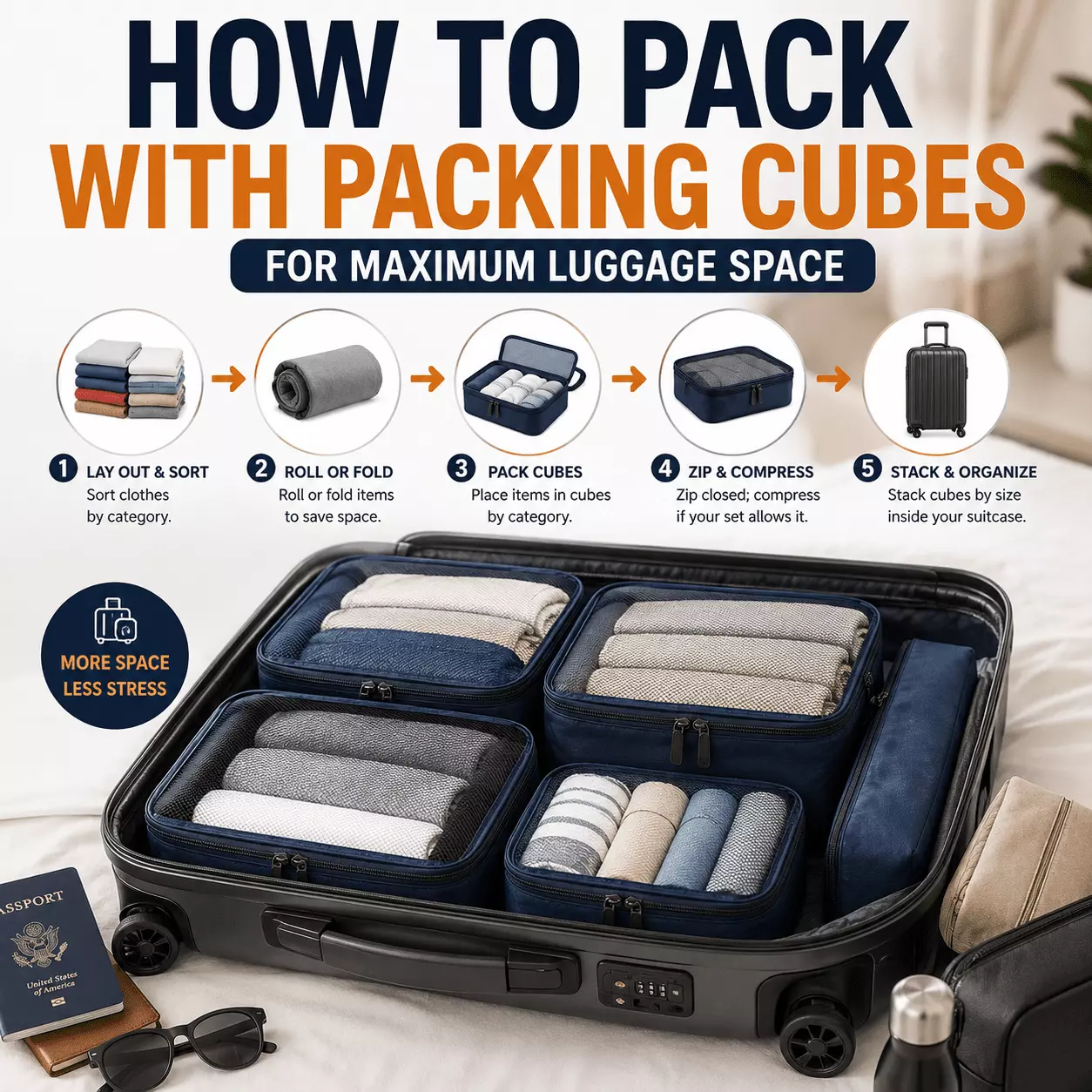
Lay Everything Out First
Start by laying every item on your bed before touching a single cube. Seeing everything at once helps you spot complete outfits, from shoes to jackets. It also reveals items that only match one outfit and take up unnecessary space.
Make a quick list on your phone as you go. Checking items off stops you from forgetting essentials at the last minute. This step alone saves time later when cubes start filling up fast.
Remove anything you are unsure about wearing. Extra “just in case” items add weight without adding real value. A leaner pile packs faster and unpacks even faster at your destination.
Quick Facts
| Step | What to Know |
|---|---|
| Sorting | Organize clothing by category (shirts, pants, underwear) or by daily outfit before placing items into packing cubes. |
| Folding vs. Rolling | Roll soft clothing like T-shirts and activewear to save space, while fold structured garments such as dress shirts and blazers. |
| Fill Level | Fill each packing cube to about 80% of its capacity for easier compression and smoother zipper operation. |
| Loading Order | Place heavier cubes near the suitcase wheels to improve balance and make rolling the luggage easier. |
| Compression | Compression cubes work best for bulky clothing like sweaters and jackets rather than lightweight everyday garments. |
| Laundry | Keep dirty clothes separate by using a dedicated laundry cube or waterproof laundry bag. |
| Carry-On Tip | Choose slim, flat packing cubes to maximize space and fit more efficiently inside carry-on luggage. |
| Unpacking | Simply transfer packing cubes directly into hotel drawers or shelves for quick, organized unpacking. |
Sort by Category or by day.
Most travelers pick one of two systems for organizing their cubes. How to pack packing cubes by category works well for longer, varied trips. Tops go in one cube, bottoms in another, and underwear in a third.
How Do Compression Packing Cubes Work
How to Use Compression Packing Cubes
How Do Packing Cubes Work? Benefits, Tips & Best Practices
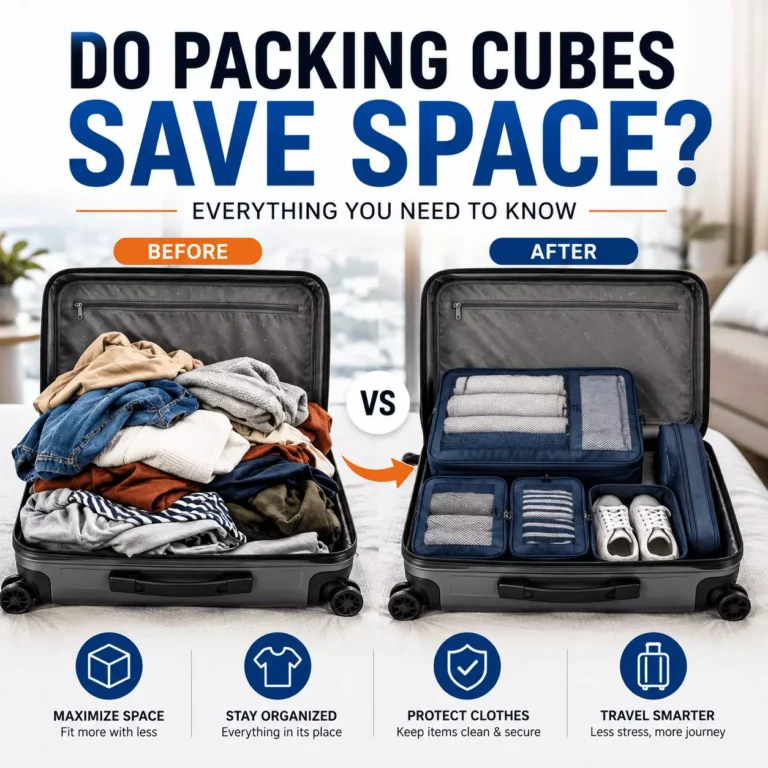
Do Packing Cubes Save Space? Everything You Need to Know
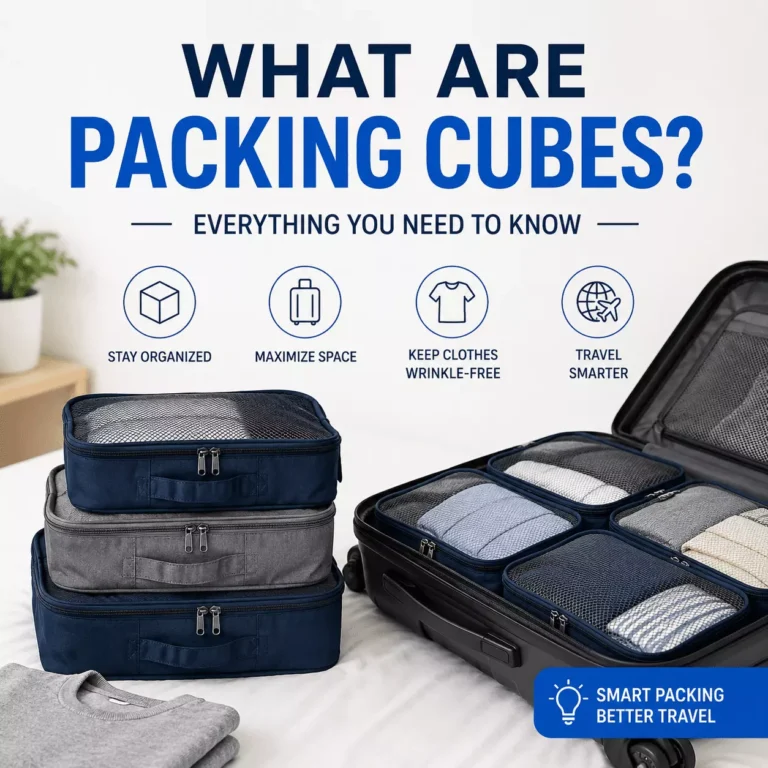
What Are Packing Cubes? Everything You Need to Know
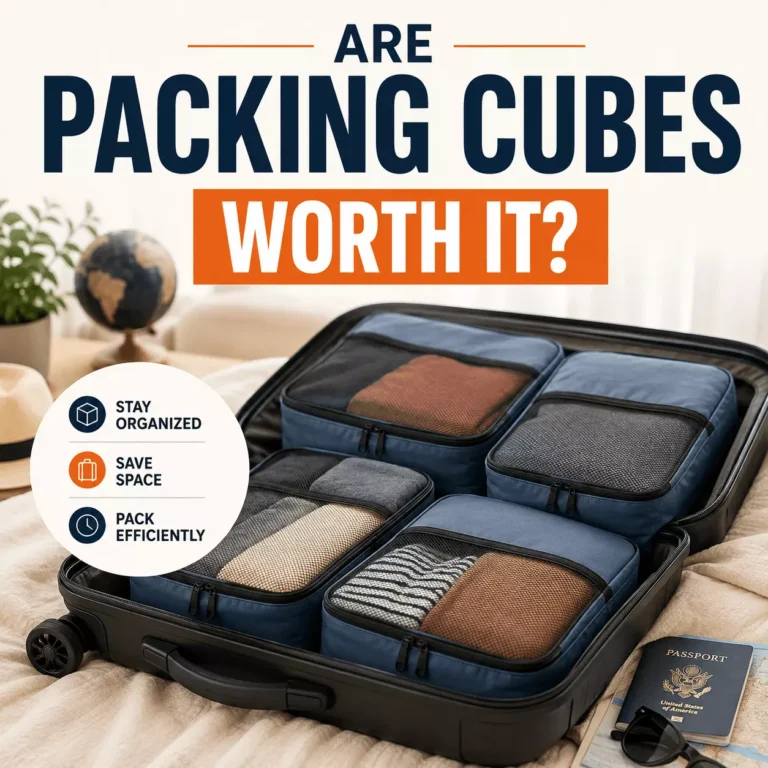
Are Packing Cubes Worth It
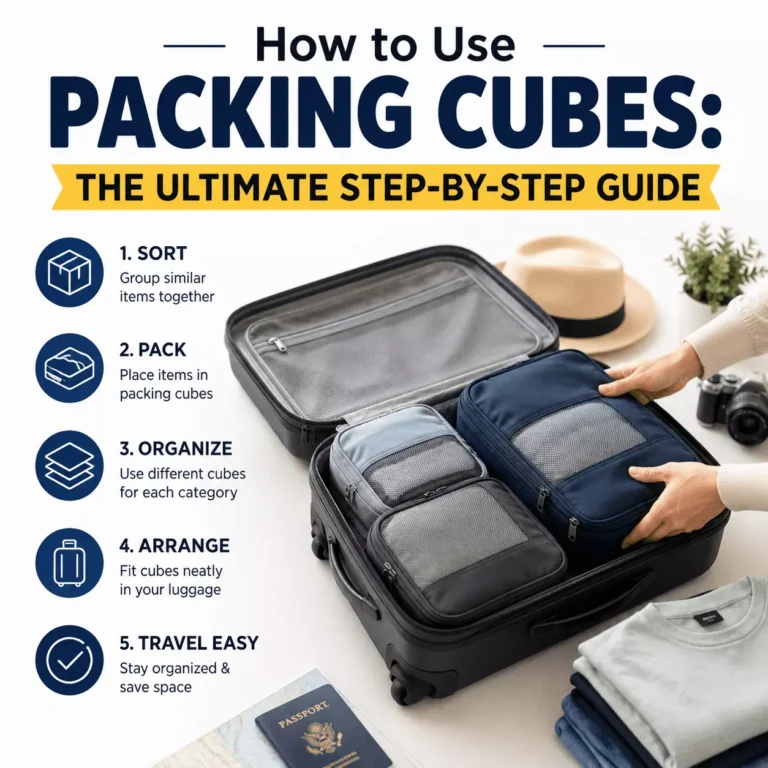
How to Use Packing Cubes: The Ultimate Step-by-Step Guide
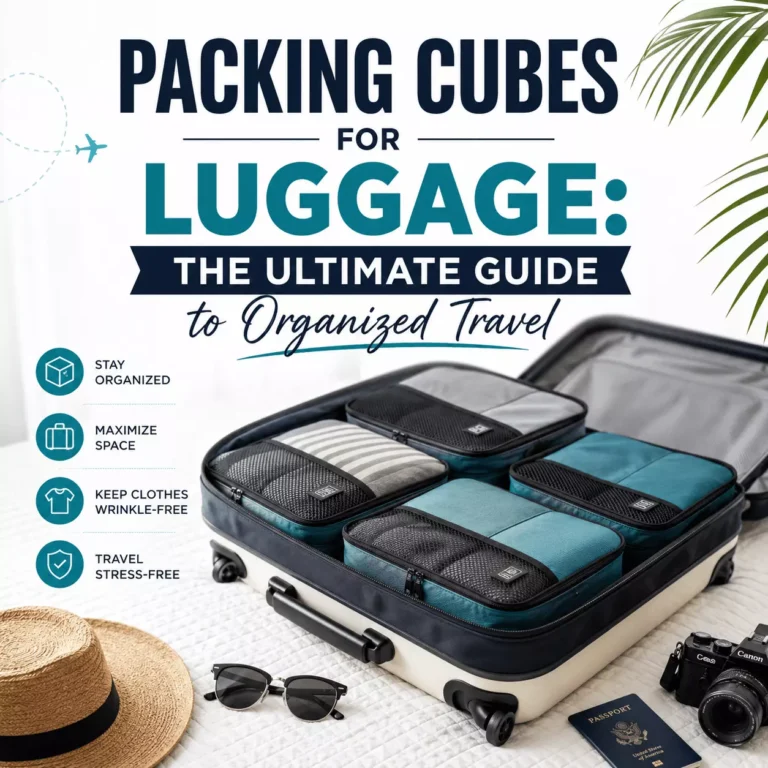
Vacuum Packing Cubes: The Ultimate Guide to Organized Travel
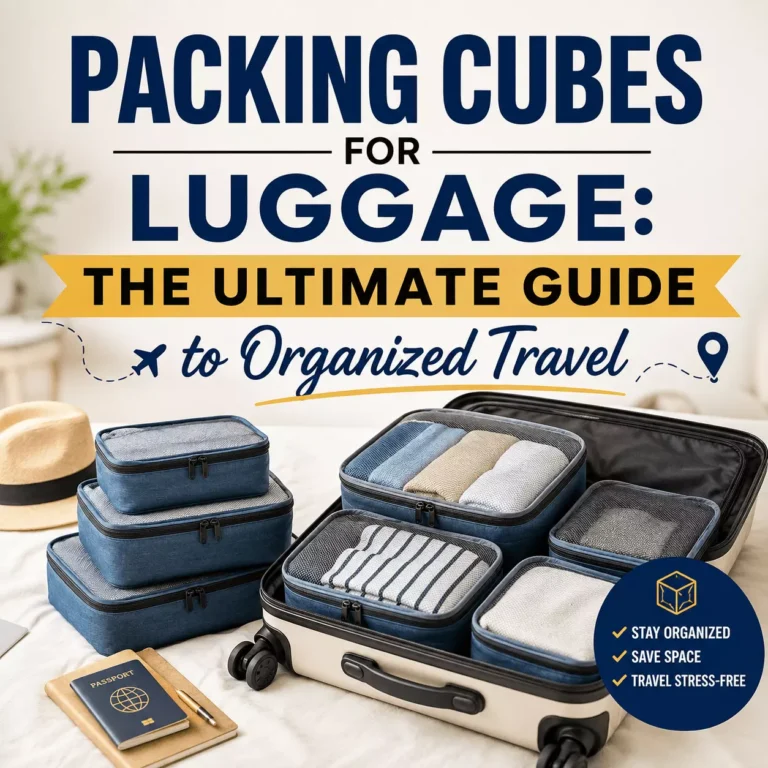
Packing Cubes for Luggage: The Ultimate Guide to Organized Travel
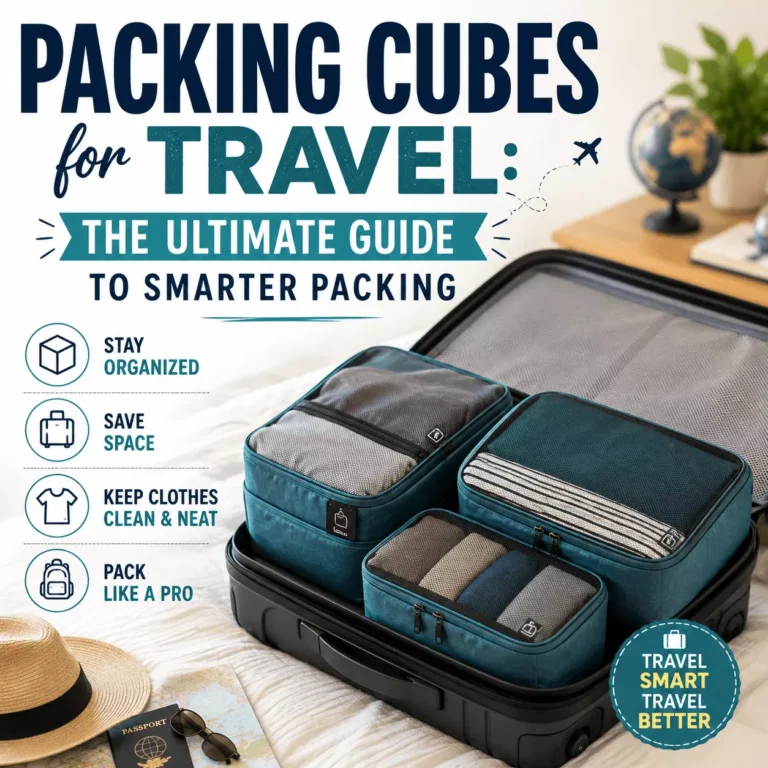
Packing Cubes for Travel: The Ultimate Guide to Smarter Packing
The alternative groups a full outfit into each cube instead. This system suits short trips with a clear daily plan. Grab one cube each morning, and you already have a complete outfit ready.
Combine both approaches if that fits your travel style better. Use category cubes for the bulk of your wardrobe. Reserve one outfit-based cube for a single busy travel day.
Roll or Fold: What Goes Where
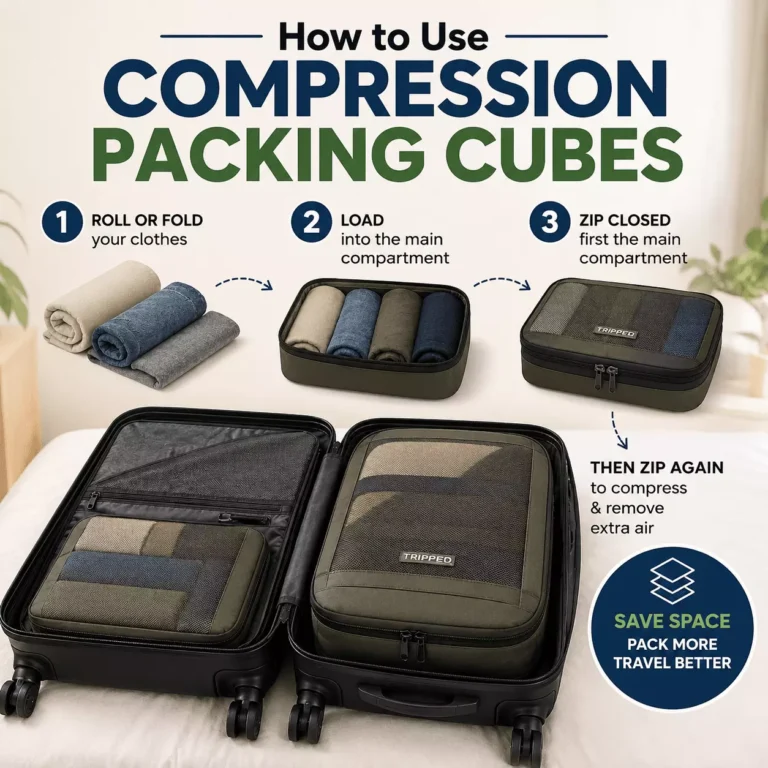
Rolling works best for soft, flexible items like t-shirts and casual pants. How to roll clothes for packing cubes starts with laying the item flat and smoothing out wrinkles. Fold the sides in first, then roll from one end to the other evenly.
Folding suits structured pieces like blazers or dress shirts instead. These items hold their shape better when folded flat across the top of a cube. A mix of both techniques usually works best in practice.
Combine rolled and folded items inside the same cube when needed. Rolled items fill gaps that folded pieces leave behind. This small habit maximizes every inch of available space.
How Do Compression Packing Cubes Work
How to Use Compression Packing Cubes
How Do Packing Cubes Work? Benefits, Tips & Best Practices
Do Packing Cubes Save Space? Everything You Need to Know
What Are Packing Cubes? Everything You Need to Know
Are Packing Cubes Worth It
How to Use Packing Cubes: The Ultimate Step-by-Step Guide
Vacuum Packing Cubes: The Ultimate Guide to Organized Travel
Packing Cubes for Luggage: The Ultimate Guide to Organized Travel
Packing Cubes for Travel: The Ultimate Guide to Smarter Packing
Loading Each Cube the Right Way
How to pack a packing cube starts with the heaviest items first. Place jeans or sweaters at the bottom, then add lighter items like t-shirts on top. This order keeps the load stable and easier to compress later.
How to pack clothes with packing cubes efficiently also means leaving a small gap at the top. Overstuffing a cube strains the zipper and makes it harder to close smoothly. Aim to fill each cube to about eighty percent of its capacity.
Assign a slightly smaller cube to lighter categories like socks and undergarments. Larger cubes handle bulkier items like sweaters or jeans better. Matching cube size to item type keeps the whole system efficient.
Using Compression Cubes Correctly
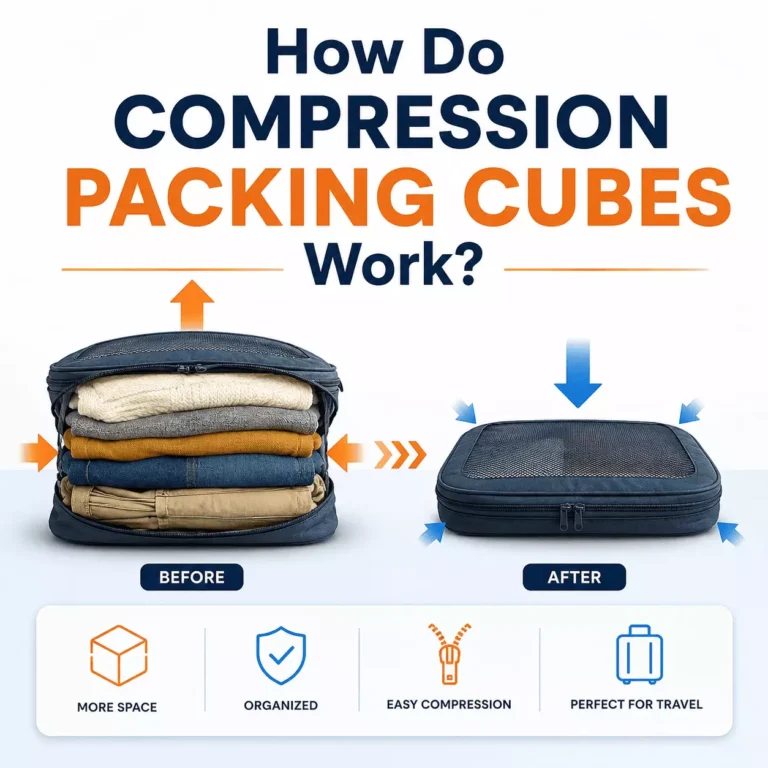
Zip the main closure first to secure everything inside safely. How to pack compression packing cubes properly means pulling the second zipper slowly around the edge afterward. Moving too fast can strain the seams under pressure.
Compression works best on soft, bulky items like sweaters or winter coats. Save it for those items instead of everyday shirts and pants. Overusing compression on soft, thin fabric adds unnecessary wrinkles.
Leave a small margin of space before zipping the compression track. A cube packed too tight resists closing and can damage the zipper over time. A little restraint goes a long way toward keeping your set intact.
Stacking Cubes Inside Your Suitcase
How to pack packing cubes in a suitcase starts with your largest cubes first. Place them into the case, then fill any remaining gaps with smaller cubes. This layout creates a stable, Tetris-like fit across the whole bag.
Heavier cubes belong near the wheels of your suitcase. This keeps the bag balanced and easier to roll through an airport. Lighter cubes stack naturally on top, closer to the main opening.
How Do Compression Packing Cubes Work
How to Use Compression Packing Cubes
How Do Packing Cubes Work? Benefits, Tips & Best Practices
Do Packing Cubes Save Space? Everything You Need to Know
What Are Packing Cubes? Everything You Need to Know
Are Packing Cubes Worth It
How to Use Packing Cubes: The Ultimate Step-by-Step Guide
Vacuum Packing Cubes: The Ultimate Guide to Organized Travel
Packing Cubes for Luggage: The Ultimate Guide to Organized Travel
Packing Cubes for Travel: The Ultimate Guide to Smarter Packing
Leave a small pocket of flexible space if your bag allows it. Souvenirs and last-minute purchases need somewhere to go on the return trip. A slightly under-packed bag outbound saves real stress on the way home.
Packing for Carry-On vs Checked Bags
How to pack with packing cubes for carry-on space means choosing slim, flat shapes over bulky ones. Tight overhead compartments reward a compact, low-profile layout. Standard cubes still help organization even without any compression feature.
How to pack packing cubes for a carry-on bag also means checking your airline’s exact size limits first. A well-compressed set has a better shot at meeting strict dimensions. Checked bags allow more flexibility for larger, bulkier cube sets.
Handling Shoes and Dirty Laundry

How to pack shoes with packing cubes usually means using a dedicated pouch or bag instead of a clothing cube. Dirt and odor spread fast if shoes touch clean clothing directly. Wrap shoes in a plastic bag if a dedicated pouch is not available.
Keep worn clothing completely separate from clean items throughout the trip. A laundry bag or repurposed empty cube works well for this. This habit matters most on trips longer than just a few days.
Adapting the System for Longer Trips
How to use packing cubes for a long trip usually means adding one or two extra cubes beyond a standard set. More laundry accumulates over time, so plan for that shift in advance. A dedicated laundry cube becomes essential once clean clothes run low.
Rotating cubes also helps on extended travel. Once a cube empties out from wear, repurpose it for dirty clothes or souvenirs. This flexible approach keeps the system working even as your luggage contents change.
How Do Compression Packing Cubes Work
How to Use Compression Packing Cubes
How Do Packing Cubes Work? Benefits, Tips & Best Practices
Do Packing Cubes Save Space? Everything You Need to Know
What Are Packing Cubes? Everything You Need to Know
Are Packing Cubes Worth It
How to Use Packing Cubes: The Ultimate Step-by-Step Guide
Vacuum Packing Cubes: The Ultimate Guide to Organized Travel
Packing Cubes for Luggage: The Ultimate Guide to Organized Travel
Packing Cubes for Travel: The Ultimate Guide to Smarter Packing
Unpacking and Repacking at Your Destination
Pull cubes straight out of your suitcase and drop them into a hotel drawer. Skip unpacking each item individually to save real time. This trick works especially well in rooms with limited drawer space.
Repacking at the end of a trip follows the same easy pattern. Dirty clothes slide into their designated cube, and everything else goes back in place. The same system that helped you pack also helps you leave.
Why Trust This Guide
This guide draws on hands-on packing habits and methods confirmed across multiple current travel resources. Every step reflects what shows up consistently in real traveler experience, not guesswork. We cross-check details against several sources before publishing.
A useful guide should work for short trips and long ones alike. That balance is why this article moves from initial sorting through final unpacking in one clear flow. Readers deserve a complete system, not just scattered tips.
Frequently Asked Questions
Should you pack by category or by day?
Category sorting works well for longer, varied trips. Day-based cubes suit short trips with a set plan. Many travelers combine both methods successfully.
How full should each cube be packed?
Aim for about 80 percent full for the best results. Overstuffing strains the zipper and resists closing. Leaving a small margin keeps compression effective.
Do you fold or roll clothes for packing cubes?
Roll soft items like t-shirts for space savings. Fold structured pieces like blazers to avoid deep creases. A mix of both usually works best.
What goes at the bottom of a suitcase with cubes?
Place your largest, heaviest cubes at the bottom near the wheels. This keeps the bag balanced during transit. Smaller cubes fill the remaining gaps on top.
Can packing cubes fit in a carry-on bag?
Yes, slim and flat cubes work best in tight overhead space. Choose smaller sizes for a personal item bag. Bulky boxy cubes waste room in compact luggage.
How Do Compression Packing Cubes Work
How to Use Compression Packing Cubes
How Do Packing Cubes Work? Benefits, Tips & Best Practices
Do Packing Cubes Save Space? Everything You Need to Know
What Are Packing Cubes? Everything You Need to Know
Are Packing Cubes Worth It
How to Use Packing Cubes: The Ultimate Step-by-Step Guide
Vacuum Packing Cubes: The Ultimate Guide to Organized Travel
Packing Cubes for Luggage: The Ultimate Guide to Organized Travel
Packing Cubes for Travel: The Ultimate Guide to Smarter Packing
Should shoes go inside a packing cube?
A dedicated shoe pouch works better than a clothing cube. Keeping shoes separate avoids dirt transferring to clean clothes. Wrap them in a bag if no pouch is available.
How many cubes does a week-long trip need?
Three to five cubes usually cover a week away. Add a shoe pouch or laundry bag for extra items. Adjust the count based on your actual trip length.
Final Thoughts
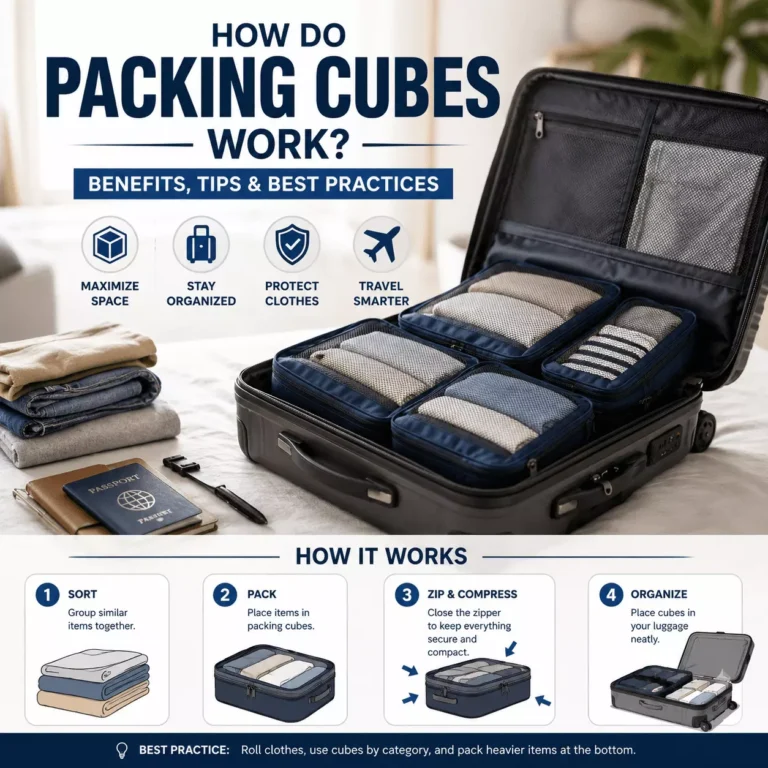
Packing with cubes comes down to a simple order: sort, roll or fold, load, and stack by size. Stick to the eighty percent rule and keep laundry separate from clean clothes throughout the trip. Once this system becomes a habit, packing turns from a stressful chore into a quick, repeatable routine.
Take a few minutes to practice the system before a big trip. A trial run at home reveals which cube sizes fit your wardrobe best. That small bit of preparation pays off at every stage, from the airport to unpacking at your final destination.
Explore All 14 Travel Essentials Categories
- Luggage & Bags
- Packing Organisation & Cubes
- Travel Tech & Electronics
- Toiletries & Travel-Size
- Travel Comfort
- Travel Safety & Security
- Packing Lists by Trip Type
- Packing Lists by Destination
- Travel Documents & Money
- Travel Clothing & Footwear
- Health, Hygiene & First-Aid
- Airport, Airline & Rules
- Essentials Guide
- Essentials for Women, Men & Family