
In this article
- TL;DR
- Why Go, and the Best Time to Visit
- Zanzibar Weather by Season
- Plan Around Ramadan
- Zanzibar Travel Guide to Entry Rules
- Visa
- Mandatory Travel Insurance
- Health
- Getting There and Around
- Dar es Salaam to Zanzibar
- Getting Around the Island
- Driving Yourself
- Where to Stay
- North Coast
- East and Southeast Coast
- Stone Town
- Things to Do
- Stone Town
- Nature and Wildlife
- Food to Try
- Sample 7-Day Itinerary and Costs
- How Much Does Zanzibar Cost?
- Money Tips
- Is Zanzibar Safe? Safety, Culture and Packing
- Staying Safe
- LGBTQ+ Travelers
- Respect Local Culture
- What to Pack
- Frequently Asked Questions
- Do I Need a Visa for Zanzibar?
- Do I Have to Buy the $44 Insurance?
- How Many Days Do You Need?
- Which Month Is Best for Zanzibar?
- Which Beach Is Best for Swimming?
- Can Tourists Wear Bikinis?
- Can I Use US Dollars?
Before you fly, sort your visa and the mandatory $44 insurance.
TL;DR
| Quick fact | Answer |
| Driest months | June to October, plus January and February |
| Ideal trip length | 5 to 7 days |
| Swim at all tides | Nungwi and Kendwa |
| Quieter beaches | Paje, Jambiani and Matemwe |
| Tourist visa | $50 for most visitors, $100 for US citizens |
| Mandatory insurance | $44 per adult |
| Mid-range budget | About $120 to $250 a day |
This guide is based on official advice, published sources and traveler reports, not a recent personal visit. Rules can change, so confirm them before you book.
Why Go, and the Best Time to Visit
Zanzibar is a semi-autonomous island group off the coast of Tanzania. Most visitors stay on the main island, Unguja. It mixes white-sand beaches with Swahili, Arab, Indian and European history.
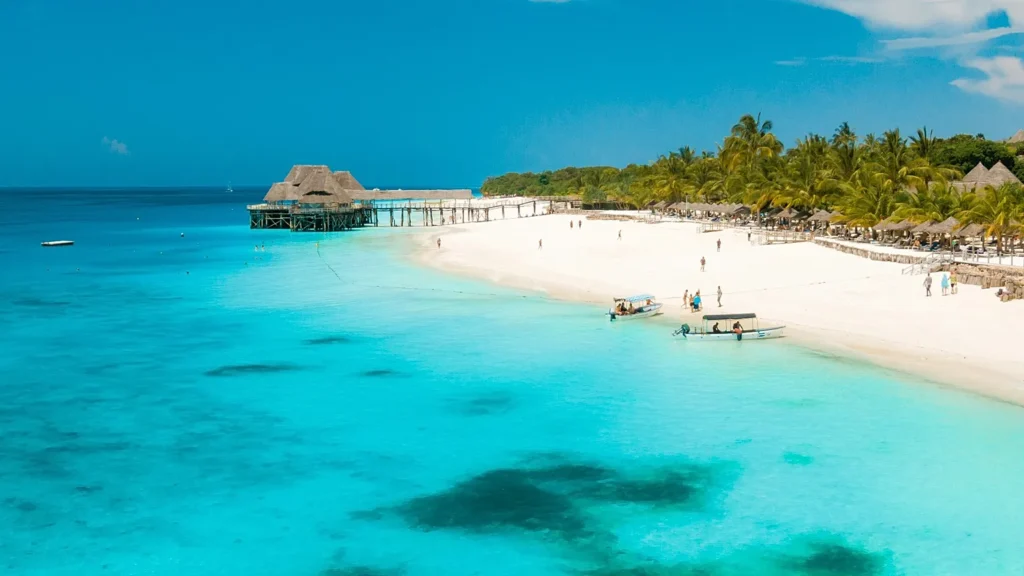
That mix is what sets it apart from other beach trips. You can spend the morning in a UNESCO-listed old town and the afternoon on the sand. It also pairs well with a mainland safari.
Zanzibar Weather by Season
| Months | Weather | Good to know |
| June to October | Dry and warmer by day, cooler at night | Peak season, so book early |
| November to December | Short rains | Showers rarely ruin a trip |
| January to February | Hot and dry | Busy, with humid days |
| Late March to May | Long rains | Lowest prices, wettest weeks |
April is usually the wettest month, so plan for indoor options. For a beach holiday, June to October and January to February are the safest choices.
Plan Around Ramadan
Ramadan 2027 is expected to run from about 8 February to 9 March, subject to the moon sighting. Daytime in Stone Town gets much quieter, and some restaurants close until sunset. Tourism officials have asked visitors not to eat, drink or smoke in public during fasting hours.
It can still be a lovely time to visit. Forodhani Gardens comes alive after dark, and beach resorts run mostly as usual. Just dress with extra care and expect less alcohol outside hotels.
Zanzibar Travel Guide to Entry Rules
This section matters most, because the rules changed recently. Sort it out as soon as you book your flights. Always use official government sites.
| Requirement | What you need |
| Passport | At least 6 months of validity and a blank page |
| Visa | Usually $50, or $100 for US citizens |
| Mandatory insurance | $44 per adult, valid up to 92 days |
| Onward travel | Round-trip ticket and enough funds |
| Yellow fever | Certificate if coming from a risk country |
Visa
Zanzibar is part of Tanzania, so you use a Tanzania visa. Most visitors can apply online or get one on arrival, but check the rules for your passport. US citizens pay $100 for a multiple-entry visa, and Irish citizens are reported to pay $100 too.




If you apply online, do it weeks ahead and use the official immigration site. Avoid third-party sites that charge extra.
Mandatory Travel Insurance
This isn’t optional, even if you already have your own policy. Zanzibar has required it since October 2024, and mainland Tanzania added its own rule on 1 October 2026. You need just one policy, based on where you first enter.
| First entry point | Buy from |
| Zanzibar | Zanzibar Insurance Corporation (ZIC) |
| Mainland Tanzania | National Insurance Corporation (NIC) |
The policy costs $44 per adult. The US State Department lists $22 for ages 3 to 17 and says it covers emergency medical costs, evacuation and repatriation. Keep your certificate handy, as some travelers may need to show it.
This cover is basic, so a full travel policy is still wise. Check that yours includes evacuation, delays, baggage and any water sports you plan to try.
Health
See a travel clinic at least a month before you leave. Ask about routine shots, hepatitis A, typhoid and malaria prevention for your full route. Don’t assume malaria isn’t a risk just because you’re on an island.
A yellow fever certificate is needed if you arrive from a risk country. Several sources also apply this to transits of over 12 hours, which can catch people flying via Nairobi or Addis Ababa. Check your route with a clinic.
Tap water isn’t safe to drink, so use sealed bottled water. Our first aid guides cover what to pack, and our travel documents and money guides help you keep paperwork organized.
Getting There and Around
Most visitors fly into Abeid Amani Karume International Airport (ZNZ), about 3 miles south of Stone Town. Others come by ferry or short flight from Dar es Salaam. Our flight time calculator helps you compare routes.
Dar es Salaam to Zanzibar
| Option | Time | Rough cost |
| Fast ferry | About 2 hours | From about $35 to $40, economy |
| Short flight | About 20 minutes | Often $50 to $120 |
The ferry docks close to Stone Town. Book through official channels, as touts may sell fake or overpriced tickets. The US State Department advises using the high-speed ferry and buying tickets online or inside the terminal.
Getting Around the Island
The island is about 85 km long, and there’s no road along the whole coast. Moving from north to southeast takes about 1.5 to 2 hours. Uber isn’t an option here, and taxis have no meters.
| Trip by taxi | Rough fare | Time |
| Airport to Stone Town | $10 to $20 | 15 to 20 minutes |
| Stone Town to Nungwi | $40 to $60 | About 1 hour |
| Stone Town to Paje | $30 to $50 | 45 to 60 minutes |
| Nungwi to Paje | $50 to $70 | Up to 2 hours |
Agree the fare before you get in, or ask your hotel to book a driver. Use our taxi fare calculator to estimate costs for your group.
Dala-dalas are shared minibuses that cost very little, but they’re crowded and leave when full. The US State Department advises avoiding them, along with bajajis and motorcycle taxis, as many are poorly maintained. Most first-time visitors are better off with a trusted driver.
Driving Yourself
Traffic drives on the left, and beach-side roads can be rough. Scooter and car rentals are available, but you may need a local permit, so ask before you pay. Check the brakes, wear a helmet and avoid riding at night.
Where to Stay
Tides should decide your beach base. Water can pull back a long way on the east coast, while the north stays swimmable. Check a tide chart before you book.
| Area | Best for | Tide | Vibe |
| Stone Town | History and food | Not a beach stay | Busy, historic |
| Nungwi | First-timers | Swim all day | Lively |
| Kendwa | Swimming and sunsets | Swim all day | Resort style |
| Paje | Kitesurfing | Lagoon pulls back | Social |
| Jambiani | Slow village stays | Long flats | Quiet |
| Matemwe | Mnemba trips | Big tides | Peaceful |
North Coast
Nungwi and Kendwa suit most first trips. You get deep water, sunsets and plenty of hotels. They’re also the busiest beaches on the island.
East and Southeast Coast
Paje and Jambiani have wide white sand and a more relaxed pace. Steady winds make Paje a kitesurfing favorite. At low tide, the sea can feel far away, but it’s a great time to walk the sandbanks.
Stone Town
Spend at least one night here, even on a beach holiday. Staying over lets you enjoy the old town after day-trippers leave. It also breaks up long transfers across the island.
Things to Do
The best trips mix a few big outings with slow beach days. Prices below are rough and change often. Confirm whether park and entry fees are included when you book.
| Activity | Why go | Rough cost |
| Stone Town walking tour | History, doors and markets | From about $20 to $40 |
| Prison Island | Giant tortoises | $22 island fee, plus boat |
| Jozani Forest | Red colobus monkeys | About $10 to $15 entry |
| Spice farm tour | Smell and taste local spices | Often $25 to $50 |
| Mnemba snorkeling | Coral reefs and marine life | Often from $50 to $130 |
| Sunset dhow cruise | Classic evening sail | Varies by operator |
Stone Town
Wander the narrow lanes, and look out for carved wooden doors. Visit the Old Fort and the site of the former slave market to learn the island’s harder history. Forodhani Gardens has a popular evening food market.
A local guide adds a lot here. Choose one through your hotel or a licensed operator. The alleys are uneven and hard to use with a wheelchair, so plan for that.
Nature and Wildlife
Jozani is the main place to see red colobus monkeys. Prison Island’s fee has been reported as $22, made up of an entrance and conservation charge. Mnemba is known for snorkeling, but book with an operator who follows marine rules.
Avoid tours that crowd, chase or touch wild animals. Dolphin trips can get especially busy, so ask how the boat keeps its distance. Don’t take shells or coral, as removing them without a permit is illegal.
Food to Try
Don’t leave without trying fresh seafood and Zanzibar pizza. Spice-rich curries, grilled skewers and sugarcane juice are also local favorites. Choose busy stalls, and make sure hot food is freshly cooked.
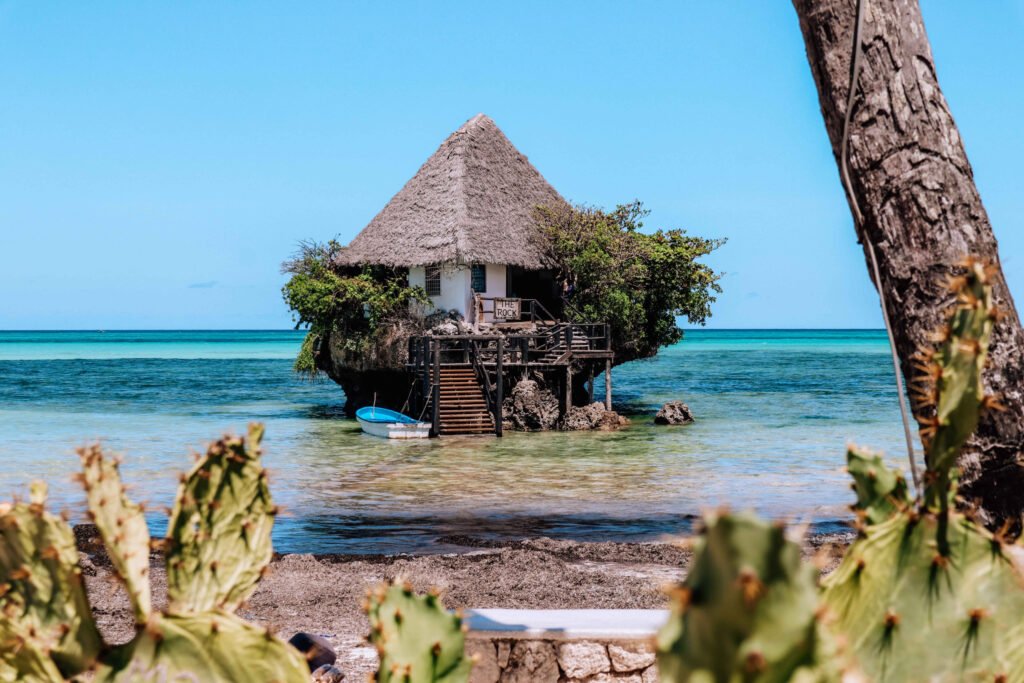
The Rock is a well-known restaurant on a rock in the sea, so book ahead. Other restaurants vary a lot by season, so check recent reviews.
Sample 7-Day Itinerary and Costs
A week gives you time for history, wildlife and two beaches. Short on time? Cut the second beach to save a long transfer. This route is a suggestion, so adjust it for tides and weather.
| Day | Plan | Stay |
| 1 | Arrive and see Forodhani Gardens | Stone Town |
| 2 | Stone Town tour and Prison Island | Stone Town |
| 3 | Spice farm, then head north | Nungwi or Kendwa |
| 4 | Beach day and sunset cruise | Nungwi or Kendwa |
| 5 | Mnemba snorkeling | Nungwi or Kendwa |
| 6 | Jozani Forest, then head southeast | Paje or Jambiani |
| 7 | Sandbank walk, then fly out | Departure |
How Much Does Zanzibar Cost?
Costs vary widely by season, area and hotel. These are rough daily ranges per person from published guides, excluding flights. Your actual spend may differ.
| Style | Daily cost | Typical stay |
| Budget | $40 to $90 | Guesthouse or hostel |
| Mid-range | $120 to $250 | Boutique hotel |
| Luxury | $300 to $600+ | Beach resort |
Don’t forget the extras. Add your visa, $44 insurance, transfers and tours, plus any hotel tax. Our trip calculator can help you total it all.
Money Tips
The local currency is the Tanzanian shilling. Hotels and bigger restaurants may take cards, usually with a fee, but small places want cash. ATMs can be out of order and charge high fees, so don’t rely on them alone.
Bring clean US dollar notes as a backup, and keep small bills for taxis and markets. Tell your bank you’re traveling if its app asks you to.
Is Zanzibar Safe? Safety, Culture and Packing
Most trips pass without trouble, but check the latest advice before you go. In October 2026, reports said the US lowered Tanzania from Level 3 to Level 2, “Exercise Increased Caution.” A higher warning remains for the Mtwara border area, which is far from Zanzibar.
The Level 3 warning came after unrest around the 2025 election. Check the live US, UK or your own government’s advice before you book. Your insurance may depend on it.
Staying Safe
- Valuables: Bag snatching and pickpocketing target visitors in tourist areas.
- Night walks: Avoid quiet beaches and unlit lanes after dark.
- Drinks: Don’t leave food or drinks unattended.
- Operators: Pick licensed companies, and ask direct safety questions.
- Photos: Don’t photograph military sites, airports, bridges or police.
- Medical care: Serious cases may need evacuation, so check your cover.
LGBTQ+ Travelers
Consensual same-sex relations are a crime in Tanzania, with sentences of up to 30 years. The US State Department warns that travelers may be targeted, harassed or denied entry, including on Zanzibar. Read your government’s advice closely, and avoid public displays of affection.
Respect Local Culture
Zanzibar is mainly Muslim and conservative. Swimwear is for the beach or hotel, so cover your shoulders and knees in Stone Town and villages. Ask before you photograph people.
Say “jambo” to greet people, and you’ll often hear “karibu,” which means welcome. Eating and drinking in the street is frowned upon, especially in Ramadan. Respect at mosques and in villages goes a long way.
What to Pack
- Clothes: Light, loose layers, and a scarf or wrap.
- Shoes: Reef shoes help on coral and sea urchin areas.
- Health: Insect repellent, reef-safe sunscreen and any personal medicine.
- Tech: Power bank, adapter and a waterproof phone pouch.
- Paperwork: Copies of your passport, visa and insurance.
Don’t bring plastic carrier bags, as Tanzania bans them. The US State Department says only small, clear, reusable zip-lock bags for toiletries are allowed. Medicines can be restricted too, so keep them in their original packaging with a prescription.
Start with our vacation packing list, and find tidy options in our toiletries guides. Our travel clothing guides and travel tech guides cover the rest. Check our airport and airline rules, travel safety guides and baby travel essentials if you’re bringing little ones.
Frequently Asked Questions
Do I Need a Visa for Zanzibar?
Most visitors need a Tanzania visa, which covers Zanzibar. It usually costs $50, or $100 for US citizens. Check the rules for your passport first.
Do I Have to Buy the $44 Insurance?
Yes, most foreign visitors do, even with their own policy. Buy from ZIC if you enter through Zanzibar, or NIC if you enter on the mainland. You don’t need both for one trip.
How Many Days Do You Need?
Five to seven days works well. That gives you time for Stone Town, a few tours and beach days. Choose one beach base if you only have a few days.
Which Month Is Best for Zanzibar?
June to October is the top choice for dry weather. January and February are also good but hotter. Late March to May is the wettest and cheapest period.
Which Beach Is Best for Swimming?
Nungwi and Kendwa are the easiest for swimming at any tide. East coast beaches get very shallow at low tide. Check a tide chart if you stay there.
Can Tourists Wear Bikinis?
Yes, on the beach or at your hotel. Cover up in Stone Town and villages. Dress even more carefully during Ramadan.
Can I Use US Dollars?
Dollars are often accepted for hotels and tours. Carry shillings for small purchases, taxis and markets. Clean notes are less likely to be refused.

Tayp Willson writes hands-on travel guides, packing lists and trip planning tips for Travel Essentials.
See all posts by Tayp Willson →- Luggage & Bags
- Packing Organisation & Cubes
- Travel Tech & Electronics
- Toiletries & Travel-Size
- Travel Comfort
- Travel Safety & Security
- Packing Lists by Trip Type
- Packing Lists by Destination
- Travel Documents & Money
- Travel Clothing & Footwear
- Health, Hygiene & First-Aid
- Airport, Airline & Rules
- Essentials Guide
- Essentials for Women, Men & Family