In this article
- TL;DR
- Yosemite at a Glance
- Why Visit Yosemite?
- Yosemite Entrance Fee 2026-27
- New Fee for International Visitors
- Free Entrance Days
- How to Pay
- Do You Need a Reservation for Yosemite in 2026?
- Best Time to Visit Yosemite
- Best Month for Waterfalls
- Best Month to Avoid Crowds
- Winter and Firefall
- How to Get to Yosemite (Directions)
- Driving Times to Yosemite Valley
- Getting to Yosemite Without a Car
- Getting Around Inside the Park
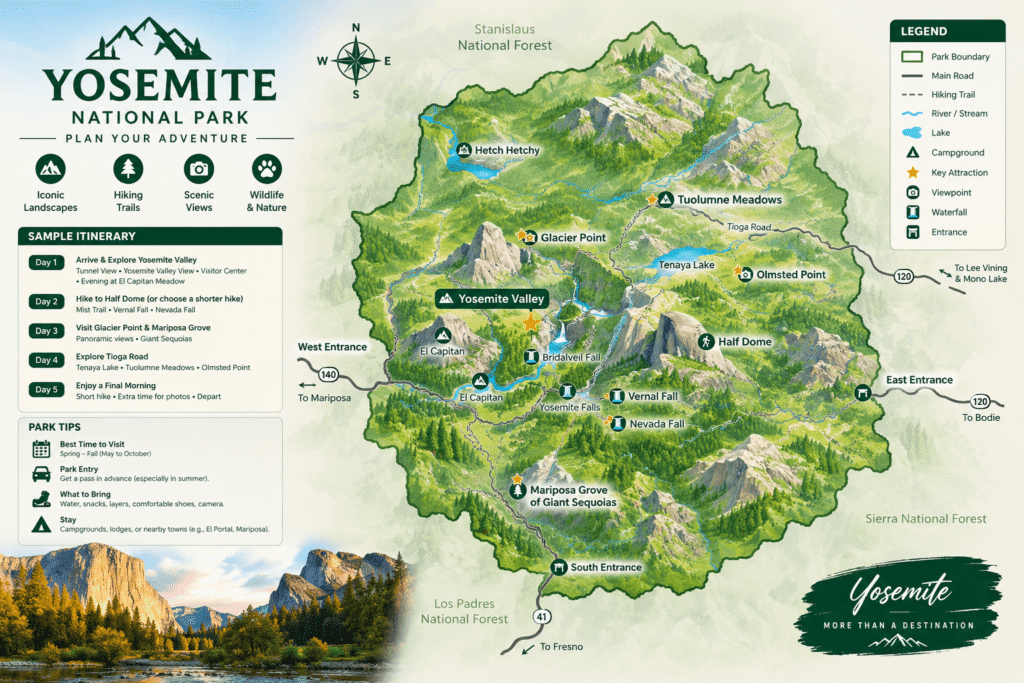
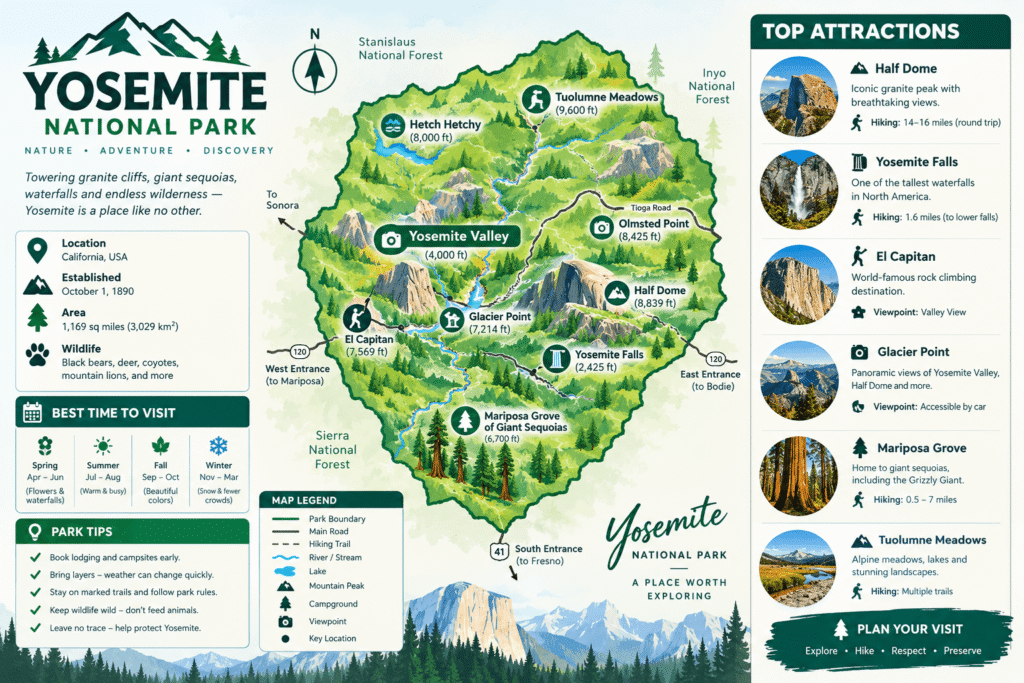
- Yosemite Park Map: Main Areas Explained
- Yosemite Valley
- Glacier Point
- Mariposa Grove
- Tuolumne Meadows and Tioga Road
- Hetch Hetchy
- Where to Get a Map
- Best Hiking Trails in Yosemite
- Easy Hiking Trails
- Moderate Hiking Trails
- Hard Hiking Trails
- Hiking Safety Tips
- Camping in Yosemite
- How to Book a Campsite
- Popular Campgrounds
- Camping Tips
- Where to Stay in and Near Yosemite
- Inside the Park
- Outside the Park
- How Many Days Do You Need in Yosemite?
- Sample 2-Day Plan
- What to Pack for Yosemite
- Yosemite Safety Tips
- Insider Tips for Visiting Yosemite
- Yosemite FAQs
- How much is the Yosemite entrance fee in 2026?
- Do I need a reservation to enter Yosemite in 2026?
- What is the best time to visit Yosemite?
- How many days should I spend in Yosemite?
- What is the easiest hike in Yosemite?
- Can you drive through Yosemite in one day?
- Is Yosemite open in winter?
- Are there bears in Yosemite?
- Helpful Official Resources
- Final Thoughts
The entrance fee is $35 per car for 7 days. You do not need an entry reservation in 2026-27. The best time to visit is May to June for waterfalls, or September to October for fewer crowds.
TL;DR
- Entry costs $35 per car and is good for 7 days.
- Non-US residents age 16 and up pay an extra $100 each in 2026.
- No timed entry reservation is needed in 2026-27.
- The park is cashless. Bring a card.
- Arrive before 9 a.m. or after 5 p.m. to skip traffic.
- Book camping and hotels as early as you can. They sell out fast.
- Plan at least 2 to 3 days to see the main sights.
Yosemite at a Glance
| Detail | Info |
|---|---|
| Location | Sierra Nevada, central California |
| Size | About 1,200 square miles |
| Open | 24 hours a day, all year (weather allowing) |
| Entrance fee | $35 per car, valid 7 days |
| Entry reservation in 2026 | Not required |
| Payment | Card only, no cash |
| Main area | Yosemite Valley |
| Time needed | 2 to 4 days |
| Nearest big city | Fresno, about 1.5 hours to the South Entrance |
Why Visit Yosemite?
Yosemite is one of the most visited national parks in the US. More than 4 million people come each year.
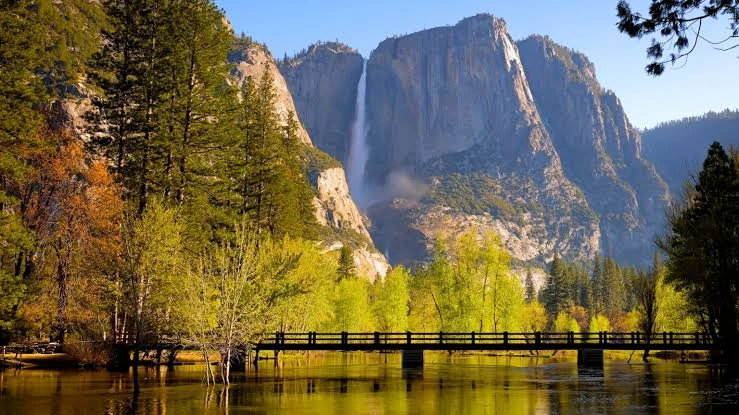
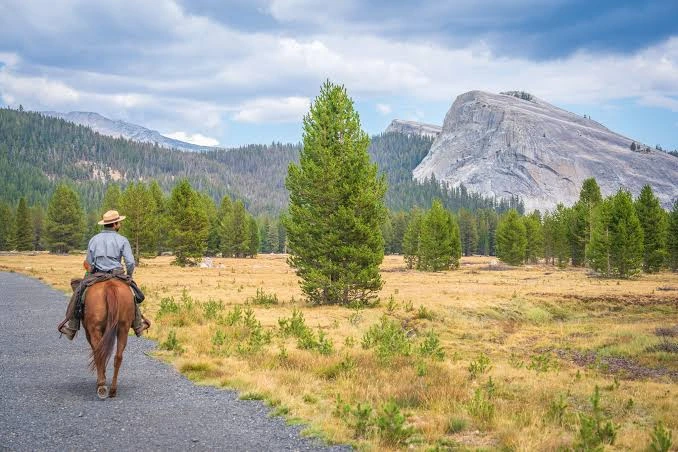
They come for a few big reasons:
- Half Dome and El Capitan. Huge granite rocks you can see from the valley floor.
- Waterfalls. Yosemite Falls is one of the tallest in North America.
- Giant sequoias. Mariposa Grove has trees that are thousands of years old.
- Hiking. There are trails for every level, from flat walks to all-day climbs.
- Views. Tunnel View and Glacier Point give you the classic postcard shots.
You do not need to be a big hiker to enjoy it. Many of the best views are a short walk from the car.
Yosemite Entrance Fee 2026-27
You must pay an entrance fee to enter the park. The pass is good for 7 days in a row.
| Pass type | Price | Covers |
|---|---|---|
| Private car, van or RV | $35 | Everyone in the vehicle, 7 days |
| Motorcycle | $30 | One motorcycle, 7 days |
| On foot or bike | $20 per person | 7 days |
| Yosemite Annual Pass | $70 | Yosemite only, 12 months |
| America the Beautiful Pass | $80 | All US national parks, 12 months |
| Non-US resident fee | $100 per person, age 16+ | Added on top of the entry fee |
| Kids 15 and under | Free | No pass needed |
New Fee for International Visitors
Since January 1, 2026, visitors who are not US residents pay an extra $100 per person. This applies to everyone age 16 and older. It is added on top of the normal car fee.
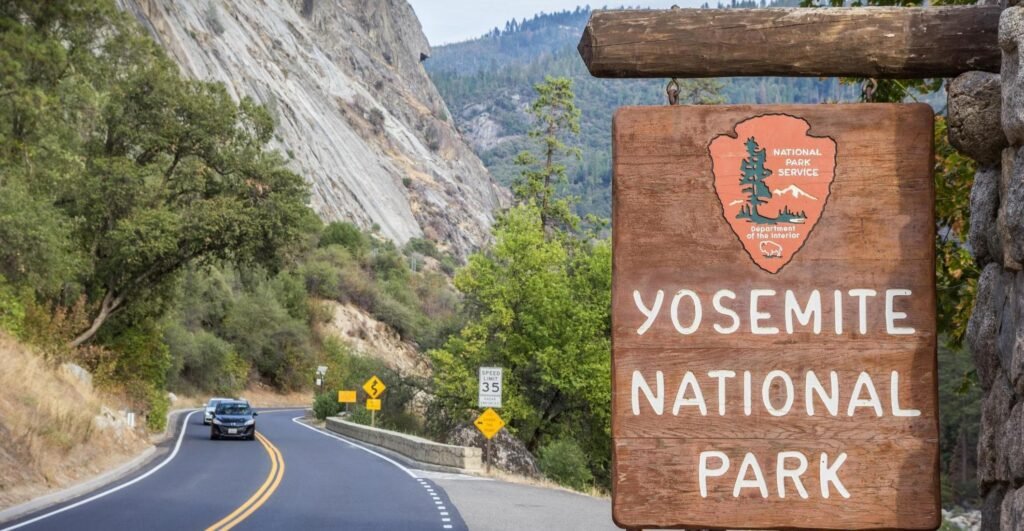
California, america, car, drive, entrance, forest, granite, green, landscape, mountain, national, nature, park, road, sign, tourism, travel, usa, valley, wood, wooden, yosemite, yosemite national park
Entrance sign at Yosemite National Park, USA
There is one way to avoid it. If you buy the America the Beautiful pass for non-residents, the $100 fee does not apply. That pass costs $250 and works at every national park for a year. If you plan to visit more than one park, it often saves money.


If you are traveling from abroad, it also makes sense to have international travel health insurance. Hospitals are far from the park, and US medical bills are high.
Free Entrance Days
The park has a few fee-free days each year. In 2026, these free days apply to US citizens and residents only. Non-residents still pay on those days.
How to Pay
Yosemite is cashless. You can pay by credit or debit card at the gate. You can also buy your pass ahead of time online and show it on your phone.
Do You Need a Reservation for Yosemite in 2026?
No. Yosemite does not require a timed entry reservation in 2026. This includes summer and the February Firefall event.
But there is a catch. Without reservations, the park gets very busy. Expect:
- Long lines at the entrance gates
- Full parking lots in Yosemite Valley by mid-morning
- Busy trails on weekends and holidays
The park says the best plan is to arrive before 9 a.m. or after 5 p.m. On busy summer days, Valley parking can fill up very early.
You still need to book these ahead:
- Campsites
- Hotels and lodges inside the park
- Wilderness permits for overnight backpacking
- Half Dome permits
Best Time to Visit Yosemite
The best time to visit Yosemite depends on what you want to see.
| Season | What to expect | Best for |
|---|---|---|
| Spring (April to June) | Waterfalls at full power, green meadows, some high roads still closed | Waterfalls and photos |
| Summer (July to August) | Warm weather, all roads open, biggest crowds | High country hikes and camping |
| Fall (September to October) | Cooler days, fewer people, waterfalls low or dry | Quiet hikes and fall colors |
| Winter (November to March) | Snow, quiet valley, some roads closed | Snow views and Firefall |
Best Month for Waterfalls
May and June are the best months. The snow is melting, so Yosemite Falls, Vernal Fall and Bridalveil Fall are loud and full.
Best Month to Avoid Crowds
September and October are great. Kids are back at school, and the weather is still nice. Many falls are low by then, but the valley is calm.
Winter and Firefall
In mid to late February, the sun can make Horsetail Fall glow orange like fire. This is called Firefall. It only happens on clear evenings when there is enough water in the fall. It draws big crowds, so go early.
In winter, Tioga Road and Glacier Point Road usually close because of snow. Yosemite Valley stays open all year. You may need tire chains, so check road conditions before you drive.
How to Get to Yosemite (Directions)
Yosemite has five entrances. Which one you use depends on where you are coming from.
| Entrance | Highway | Best if coming from |
|---|---|---|
| South Entrance | Highway 41 | Fresno, Los Angeles, Mariposa Grove |
| Arch Rock Entrance | Highway 140 | Merced, Mariposa |
| Big Oak Flat Entrance | Highway 120 West | San Francisco, Bay Area |
| Tioga Pass Entrance | Highway 120 East | Eastern Sierra, Lee Vining (summer only) |
| Hetch Hetchy Entrance | Evergreen Road | Hetch Hetchy area only |
Driving Times to Yosemite Valley
| From | Rough drive time |
|---|---|
| Fresno | About 2.5 hours |
| San Francisco | About 4 hours |
| Sacramento | About 3.5 hours |
| Los Angeles | About 6 hours |
| Las Vegas | About 7 to 8 hours (via Tioga Road in summer) |
These times can change a lot with traffic and road work. Use our drive time calculator to check your own route. You can also use the distance calculator to compare which entrance is closest to your hotel.
Highway 140 through Arch Rock is often the best road in winter. It is lower and gets less snow.
Getting to Yosemite Without a Car
- YARTS bus: A regional bus that runs to Yosemite Valley from towns like Merced, Mariposa and Fresno.
- Amtrak: Take the train to Merced, then connect to the YARTS bus.
- Tours: Day tours run from San Francisco, but the drive is long. A 2-day tour is a better choice.
Getting Around Inside the Park
A free shuttle runs around Yosemite Valley. It stops at trailheads, lodges and the visitor center. Once you park, leave your car and use the shuttle. It saves you a lot of stress.
Yosemite Park Map: Main Areas Explained
Yosemite is big. Most people only see a small part of it. Here are the main areas to know.
Yosemite Valley
This is the heart of the park. It has El Capitan, Half Dome, Yosemite Falls and most of the hotels, food and shops. If you only have one day, spend it here.
Glacier Point
This is a viewpoint high above the valley. You can see Half Dome, Vernal Fall and Nevada Fall from one spot. The road is usually open from late spring to fall.
Mariposa Grove
This is near the South Entrance. It has more than 500 giant sequoias. The Grizzly Giant is one of the oldest trees here.
Tuolumne Meadows and Tioga Road
This is the high country. It has wide meadows, lakes and granite domes. Tioga Road is only open in summer and early fall.
Hetch Hetchy
This is a quiet area in the northwest corner. It has a reservoir and waterfalls, and far fewer people.
Where to Get a Map
You get a free paper map at the entrance gate. You can also download the official NPS app and save the map offline. Cell signal is weak or missing in most of the park, so do this before you arrive.
Best Hiking Trails in Yosemite
Yosemite has more than 750 miles of trails. Here are the best ones by level.
Easy Hiking Trails
| Trail | Distance | What you see |
|---|---|---|
| Lower Yosemite Fall | About 1 mile loop | Base of Yosemite Falls |
| Bridalveil Fall | About 0.5 miles round trip | A misty waterfall near Tunnel View |
| Mirror Lake | About 2 miles round trip | Half Dome reflected in the water |
| Grizzly Giant (Mariposa Grove) | About 2 miles round trip | Giant sequoias |
| Sentinel Dome | About 2 miles round trip | 360-degree views (Glacier Point Road) |
| Taft Point | About 2 miles round trip | Cliff-edge views of El Capitan |
Moderate Hiking Trails
- Mist Trail to Vernal Fall: About 3 miles round trip to the top of the fall. It is steep with stone steps. You will get wet from the spray in spring.
- Mist Trail to Nevada Fall: About 6 to 7 miles round trip. Keep going past Vernal Fall for a bigger view.
- Four Mile Trail: A steep climb from the valley up to Glacier Point.
Hard Hiking Trails
- Upper Yosemite Fall: About 7 miles round trip with a big climb. Very hard, but the view from the top is worth it.
- Half Dome: About 14 to 16 miles round trip. The last part uses metal cables up the rock. You need a permit, given out by lottery.
Hiking Safety Tips
- Start early, before it gets hot.
- Carry more water than you think you need.
- Wear shoes with good grip. Granite gets slippery when wet.
- Never swim above waterfalls. The current is strong.
- Stay on the trail and do not climb over railings.
Our guide to travel clothing and footwear can help you pick the right shoes and layers for the trail.
Camping in Yosemite
Camping is one of the best ways to see Yosemite. But campsites are hard to get.
How to Book a Campsite
Most campgrounds need a reservation. You book them on Recreation.gov. Sites open months ahead and often sell out within minutes. Be online the second they open.
Popular Campgrounds
| Campground | Area | Notes |
|---|---|---|
| Upper Pines | Yosemite Valley | Open all year, very popular |
| Lower Pines | Yosemite Valley | Close to trails and shuttle |
| North Pines | Yosemite Valley | Near Mirror Lake trail |
| Camp 4 | Yosemite Valley | Walk-in sites, famous with climbers, lottery system |
| Tuolumne Meadows | High country | Summer only, cooler weather |
| Wawona | Near South Entrance | Close to Mariposa Grove |
| Hodgdon Meadow | Near Big Oak Flat | Good for late arrivals from the west |
Camping Tips
- Bears are real. You must store all food and scented items in the bear box at your site. Never leave food in your car.
- Nights get cold. Even in summer, the high country can drop near freezing.
- Book a backup. If you miss a park site, look at campgrounds just outside the park.
If you are bringing an RV, our RV packing list covers hookups, tools and safety gear. Check RV length limits for each campground before you book.
Where to Stay in and Near Yosemite
Inside the Park
- Ahwahnee Hotel: A historic luxury hotel in the valley. Pricey but special.
- Yosemite Valley Lodge: Close to Yosemite Falls. A good middle choice.
- Curry Village: Tent cabins and simple rooms. Cheaper and fun.
- Wawona Hotel: An old hotel near the South Entrance.
Outside the Park
- Mariposa: A small town on Highway 140. About 1 hour to the valley.
- Oakhurst: On Highway 41, near the South Entrance.
- Groveland: On Highway 120, good for Bay Area visitors.
- El Portal: Just outside Arch Rock. The closest town to the valley.
Staying outside the park is cheaper, but you will spend more time driving each day.
How Many Days Do You Need in Yosemite?
- 1 day: See Yosemite Valley. Tunnel View, Yosemite Falls, El Capitan and a short hike.
- 2 days: Add Glacier Point and Mariposa Grove.
- 3 days: Add a big hike like the Mist Trail or Upper Yosemite Fall.
- 4 days or more: Add Tuolumne Meadows, Hetch Hetchy or a backpacking trip.
Most first-time visitors are happy with 2 to 3 days. Use our trip calculator to plan your costs for gas, food and nights.
Sample 2-Day Plan
Day 1: Yosemite Valley
- Arrive early and stop at Tunnel View.
- Walk to Bridalveil Fall.
- Park and take the shuttle to Lower Yosemite Fall.
- Lunch in the valley.
- Hike the Mist Trail to Vernal Fall in the afternoon.
- Watch sunset light on Half Dome from Sentinel Bridge.
Day 2: Glacier Point and Sequoias
- Drive up to Glacier Point early.
- Hike Sentinel Dome or Taft Point.
- Drive south to Mariposa Grove.
- Walk to the Grizzly Giant.
- Head out through the South Entrance.
What to Pack for Yosemite
Yosemite weather can change fast. The valley can be warm while the high country is cold.
Must-pack items:
- Layers: a base layer, a warm fleece and a rain jacket
- Good hiking shoes with grip
- Refillable water bottles or a hydration pack
- Sunscreen, hat and sunglasses
- Headlamp or flashlight
- Snacks for the trail
- Printed or offline maps
- A small first aid kit
- Tire chains in winter
For a full list, see our travel essentials guide and our general packing list for vacation. We also have packing guides for men and women.
Going with little kids? Our baby travel essentials list helps you pack for long drives and short family walks.
Yosemite Safety Tips
- Bears: Store food properly. Keep your distance if you see one.
- Water: Rivers look calm but are cold and fast. Many people get hurt near water each year.
- Heights: Stay back from cliff edges, even for photos.
- Weather: Thunderstorms are common on summer afternoons in the high country.
- Cell signal: Tell someone your plan before a long hike.
- Wildfire smoke: Summer and fall can bring smoke. Check air quality before you go.
For more, read our travel safety tips for tourists. If you are hiking alone, our solo travel safety advice is worth a quick read.
Insider Tips for Visiting Yosemite
- Go on a weekday. Weekends and holidays are much busier.
- Park once. Find a spot in the valley early and use the free shuttle all day.
- See Tunnel View at sunrise or sunset. The light on El Capitan and Half Dome is best then.
- Fill up on gas before you enter. There is no gas station in Yosemite Valley.
- Download offline maps. Do this before you lose signal.
- Bring your own food. Park food is limited and lines can be long.
- Check road status the day before. Tioga and Glacier Point Roads can close with little notice.
Yosemite FAQs
How much is the Yosemite entrance fee in 2026?
The fee is $35 per private car and covers everyone inside for 7 days. Motorcycles pay $30. People on foot or bike pay $20 each. Non-US residents age 16 and older pay an extra $100 each unless they have an annual pass.
Do I need a reservation to enter Yosemite in 2026?
No. Yosemite does not need a timed entry reservation in 2026, even in summer. You still need to pay the entrance fee. Campsites, lodges, wilderness permits and Half Dome permits still need to be booked ahead.
What is the best time to visit Yosemite?
May and June are best for waterfalls. September and October are best for fewer crowds and cool hiking weather. Summer is good for the high country since all roads are open. Winter is quiet and snowy but some roads close.
How many days should I spend in Yosemite?
Two to three days is enough for most first-time visitors. One day lets you see Yosemite Valley. Two days adds Glacier Point and Mariposa Grove. Three days gives you time for a longer hike like the Mist Trail or Upper Yosemite Fall.
What is the easiest hike in Yosemite?
The Lower Yosemite Fall loop is one of the easiest. It is about 1 mile, mostly flat and paved. It takes you to the base of Yosemite Falls. Bridalveil Fall is also short and easy, and it is close to Tunnel View.
Can you drive through Yosemite in one day?
Yes. You can drive through the main sights in one day, but it will feel rushed. Focus on Yosemite Valley and Tunnel View. In summer, you can also cross the park on Tioga Road to reach the eastern side.
Is Yosemite open in winter?
Yes. Yosemite is open all year, 24 hours a day. Yosemite Valley and Mariposa Grove stay open in winter. Tioga Road and Glacier Point Road usually close because of snow. You may need tire chains, so check road conditions before you go.
Are there bears in Yosemite?
Yes. Black bears live in Yosemite. They are drawn to food smells. Always store food and scented items in bear boxes. Never leave food in your car. If you see a bear, keep your distance and do not feed it.
Helpful Official Resources
Before your trip, check these two official sources for the latest news:
- NPS Yosemite Plan Your Visit: Current fees, road status, alerts, maps and park hours from the National Park Service.
- Recreation.gov: The official site to book Yosemite campsites, wilderness permits and Half Dome permits.
Final Thoughts
Yosemite is one of the best places in the US to see nature up close. It has huge cliffs, loud waterfalls and some of the oldest trees on Earth. You do not need a reservation to enter in 2026, but you do need a plan. Arrive early, book your stay ahead, pack layers and pick a few trails that match your fitness. Do that, and you will have a trip you remember for a long time.
Last updated: October 2026

Tayp Willson writes hands-on travel guides, packing lists and trip planning tips for Travel Essentials.
See all posts by Tayp Willson →- Luggage & Bags
- Packing Organisation & Cubes
- Travel Tech & Electronics
- Toiletries & Travel-Size
- Travel Comfort
- Travel Safety & Security
- Packing Lists by Trip Type
- Packing Lists by Destination
- Travel Documents & Money
- Travel Clothing & Footwear
- Health, Hygiene & First-Aid
- Airport, Airline & Rules
- Essentials Guide
- Essentials for Women, Men & Family