

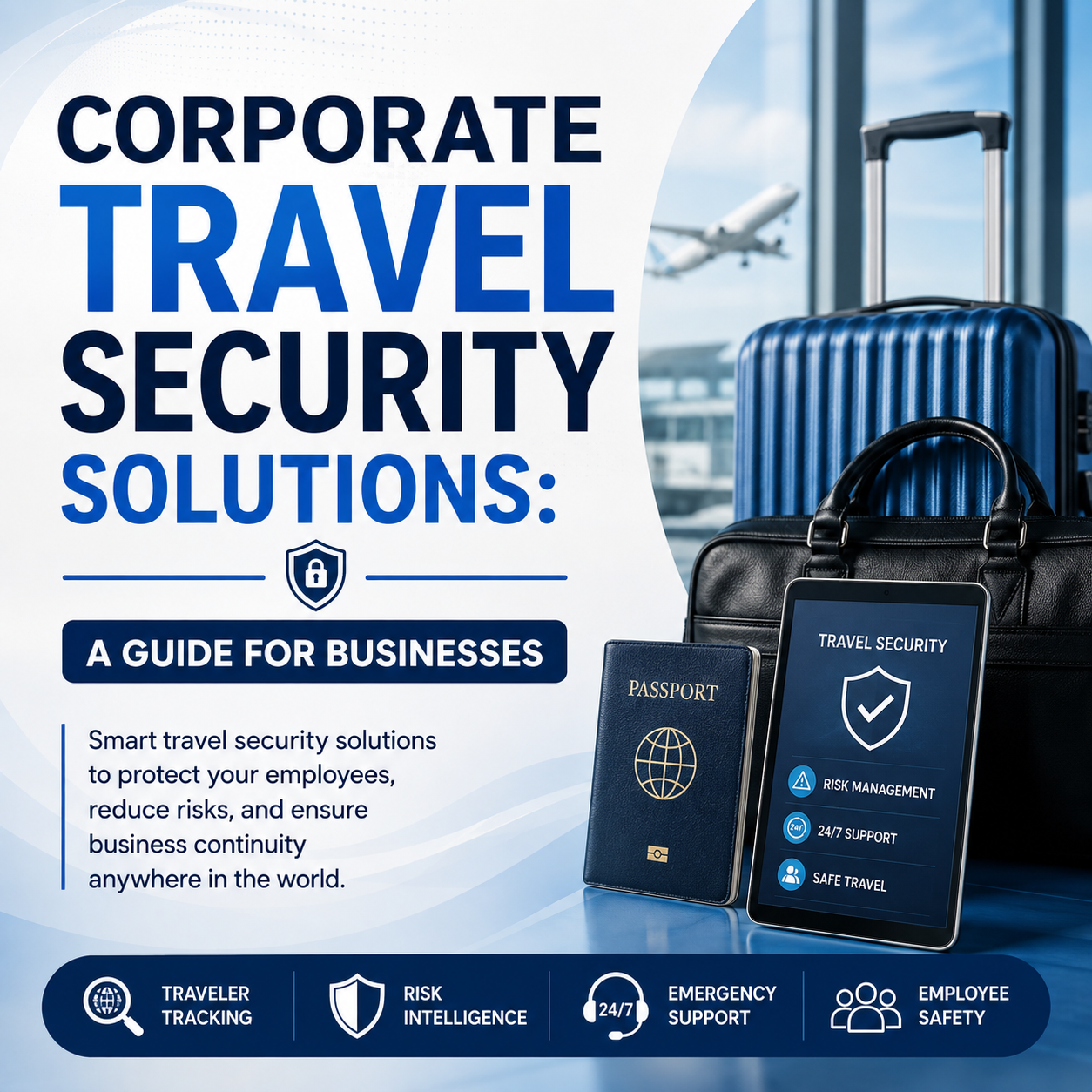
I have pulled this together from current 2026 industry and provider sources. That taught me how central these programmes have become for businesses. Below, I cover the components, policy, technology, and top platforms. By the end, you will know how to build or choose the right one.
What Are These Solutions?
These solutions blend three things into one system. The first is a clear policy that sets the rules. The second is technology that tracks and alerts travelers. The third is a service team ready to respond to a crisis.
The goal is simple visibility and fast help. You always know where your travelers are. You can warn them the moment a threat appears. Strong corporate travel security turns reactive scrambling into proactive protection.
The value shows up when something goes wrong. A live map spots anyone near a developing crisis. A 24/7 team arranges medical or security help fast. That readiness protects both the person and the company.
Quick Facts
| Topic | Key Takeaway |
|---|---|
| What They Are | Business travel risk management combines policies, technology, and professional services to help protect employees traveling for work. |
| Duty of Care | Organizations have a legal and ethical duty to take reasonable steps to protect employees while they are traveling for business. |
| Core Components | Key components include risk assessments, traveler tracking, alerts, emergency response, and evacuation support. |
| Policy | A travel risk policy should establish booking requirements, emergency procedures, traveler responsibilities, and regular annual reviews. |
| Tracking | Traveler tracking provides a live map and instant who’s-where reports to help organizations identify employee locations during a crisis. |
| Emergency | 24/7 support can provide access to medical assistance, security advice, crisis response, and emergency evacuation services. |
| Technology | Integration with a Travel Management Company (TMC) can automatically transfer booking information into the organization’s travel risk system. |
| Management | Travel risk management is typically shared between leadership, HR, security teams, travel managers, and legal departments. |
| Top Platforms | Common business travel risk platforms and providers include International SOS, Crisis24, FoneTrac, and Egencia. |
| Getting Started | Start by establishing a clear travel risk policy and implementing one suitable platform, then expand the program as business travel requirements grow. |
Duty of Care: The Legal Foundation
Duty of care is the reason these programmes exist. It is a company’s legal and moral duty to protect travelling staff. Most jurisdictions hold employers to this standard. Failing it creates real legal and financial liability.
US Non-Citizen Travel Security Rules: What to Know in 2026
Solo Travel Safety Advice: Your Guide to Safer Trips
International Travel Safety Coverage: What You Need to Know
What Are Safety Measures During Travel? A Practical Guide
Mexico Travel Advisory Tourist Safety: The 2026 Guide
What Are the Safety Protocols for Travel? A 2026 Guide
Travel Security and Evacuation Services: A Complete Guide
Travel Safety Tips: How to Stay Safe on Any Trip
Mexico Travel Advisory Tourist Safety: The 2026 Guide
The scope goes far beyond booking safe hotels. It covers real-time tracking, risk alerts, and evacuation planning. It also includes medical support and clear crisis communication. In 2026, this has become a board-level priority.
Responsibility is shared across the business. The employer holds the ultimate obligation. Day-to-day work falls to travel managers, HR, or security teams. Knowing where your people are is the heart of it.
Core Components of a Program
A strong corporate travel security programme has clear parts. It starts with a pre-trip risk assessment for each destination. It requires all bookings through one corporate platform. That way, no traveler stays invisible to the system.
US Non-Citizen Travel Security Rules: What to Know in 2026
Solo Travel Safety Advice: Your Guide to Safer Trips
International Travel Safety Coverage: What You Need to Know
What Are Safety Measures During Travel? A Practical Guide
Mexico Travel Advisory Tourist Safety: The 2026 Guide
What Are the Safety Protocols for Travel? A 2026 Guide
Travel Security and Evacuation Services: A Complete Guide
Travel Safety Tips: How to Stay Safe on Any Trip
Mexico Travel Advisory Tourist Safety: The 2026 Guide
Several more pieces complete the picture. Real-time traveler tracking shows who is where at any moment. Proactive alerts warn staff of nearby threats. Crisis communication keeps everyone informed during an incident.
The plan also prepares for the worst. It includes evacuation procedures and travel insurance rules. It sets a clear approval process for high-risk destinations. Post-incident reviews help the program improve over time.
Building a Travel Security Policy
A written policy turns intent into action. A good corporate travel security policy covers the key rules in one place. It should require booking through the corporate platform. It should also list emergency contacts and crisis protocols.
The best policies are specific and current. Useful corporate travel security policy examples include mandatory pre-trip risk checks and high-risk approval steps. They spell out evacuation and insurance requirements. Review and update the document at least once a year.
Clarity drives compliance across the company. Staff must understand what to book and how. They must know who to call in an emergency. A clear policy removes doubt when it matters most.
Traveler Tracking and Real-Time Monitoring
Traveler visibility is the core of any programme. You need to know where your people are at all times. A live dashboard maps every traveler’s location. Instant “who’s where” reports speed up any response.
The tech works best with connected booking data. The platform tracks travelers automatically once bookings sync. That removes the need for manual check-ins. Bookings made outside the system leave dangerous blind spots.
Good tools even look backward in time. Some let you review a destination up to 30 days past. That helps assess a late-emerging health or safety issue. Full visibility protects staff before, during, and after a trip.
US Non-Citizen Travel Security Rules: What to Know in 2026
Solo Travel Safety Advice: Your Guide to Safer Trips
International Travel Safety Coverage: What You Need to Know
What Are Safety Measures During Travel? A Practical Guide
Mexico Travel Advisory Tourist Safety: The 2026 Guide
What Are the Safety Protocols for Travel? A 2026 Guide
Travel Security and Evacuation Services: A Complete Guide
Travel Safety Tips: How to Stay Safe on Any Trip
Mexico Travel Advisory Tourist Safety: The 2026 Guide
Emergency Response and Medical Assistance
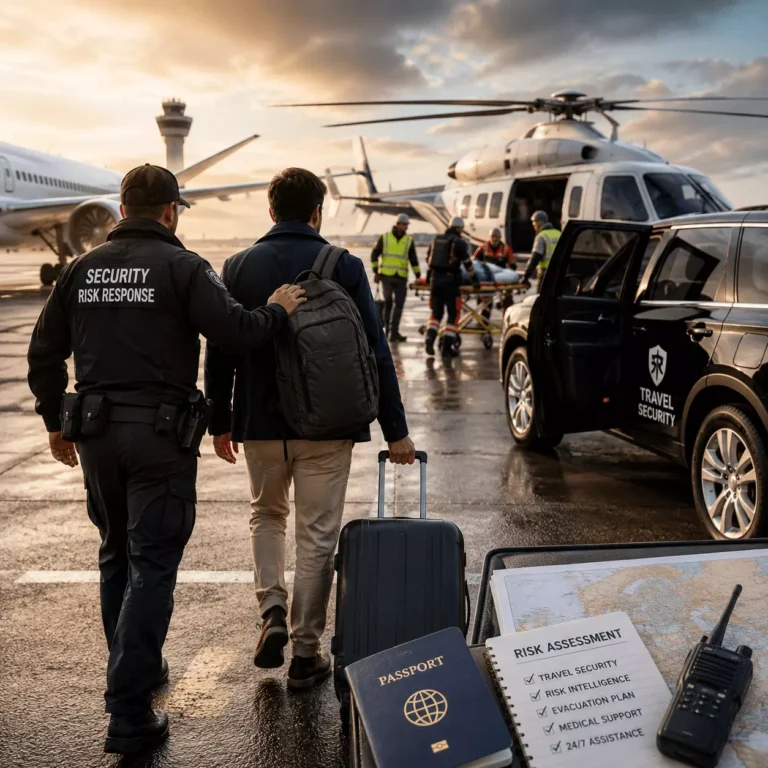
Fast help is what you pay for in a crisis. A robust program includes 24/7 emergency response. It connects staff to medical, security, and evacuation experts. That immediate support can be lifesaving.
Medical care is a core part of this. Travelers get access to advice, facilities, and telemedicine. Emergency evacuation moves someone to proper care fast. Pre-trip health advice rounds out the support.
Reliable security assistance for corporate travel makes the difference in an incident. A trained team coordinates with local hospitals and authorities. They advise on safe routes out of a crisis zone. That expert help calms a chaotic situation.
The Role of Technology and TMC Integration
Technology powers the modern program. A travel platform sends location-specific alerts to staff. Mobile apps let travelers check in and get information. Real-time data keeps managers a step ahead.
TMC integration is the key that unlocks it all. It pulls booking data in automatically from your travel provider. Every trip gets tracked without manual entry. That seamless flow is why bookings must stay inside the system.
The right stack scales with your needs. Small firms may start with a policy and one platform. Large firms layer in intelligence and fully managed services. Match the tools to your travel volume and risk.
Who Manages It?
Good programmes are a team effort, not one desk’s job. Leadership provides the buy-in and the budget. Human Resources writes and shares the welfare policies. Travel managers handle logistics and daily enforcement.
Other departments play key roles too. Legal and compliance keep the programme within regulations. Security officers manage threat intelligence and risk assessments. Even finance helps by funding the programme.
This shared structure embeds safety into the culture. Everyone knows their part before a trip begins. Clear roles speed up the response in a crisis. Teamwork is what makes the duty of care real.
US Non-Citizen Travel Security Rules: What to Know in 2026
Solo Travel Safety Advice: Your Guide to Safer Trips
International Travel Safety Coverage: What You Need to Know
What Are Safety Measures During Travel? A Practical Guide
Mexico Travel Advisory Tourist Safety: The 2026 Guide
What Are the Safety Protocols for Travel? A 2026 Guide
Travel Security and Evacuation Services: A Complete Guide
Travel Safety Tips: How to Stay Safe on Any Trip
Mexico Travel Advisory Tourist Safety: The 2026 Guide
Top Platforms and Providers
Several providers lead this field in 2026. International SOS is the benchmark others are measured against. It blends travel risk intelligence with 24/7 medical and security help. Its teams include doctors, analysts, and logistics experts.
Other strong names round out the market. Crisis24 offers broad intelligence and response after absorbing WorldAware. FoneTrac provides a personal app for employee monitoring and alerts. Egencia and Amex GBT build tracking into their travel platforms.
Specialist firms add extra depth. Some corporate travel security experts focus on high-risk regions and evacuation. City-based teams, such as corporate travel security NYC providers, add local coverage for key hubs. Compare each option against your travel profile.
How to Choose the Right Solution
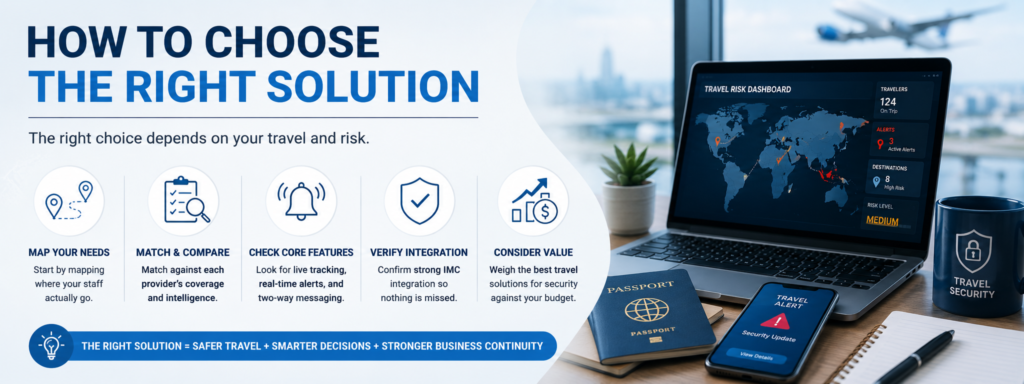
The right choice depends on your travel and risk. Start by mapping where your staff actually go. Match that against each provider’s coverage and intelligence. Broad, reliable reach matters most.
Check the core features closely. Look for live tracking, real-time alerts, and two-way messaging. Confirm strong TMC integration so nothing is missed. Weigh the best travel solutions for security against your budget.
Scale the program to fit your company. A small team needs less than a global enterprise. The program should grow with your travel volume. Reliable corporate travel security services flex as you expand.
Costs and Getting Started
Cost varies with your size, volume, and risk. A basic policy rollout costs far less than full managed services. Most providers quote after reviewing your travel profile. Match the spend to your real exposure.
Getting started is simpler than it looks. Begin with a clear policy and one booking platform. Add tracking and alerts as the next layer. Bring in a full provider as your needs grow.
US Non-Citizen Travel Security Rules: What to Know in 2026
Solo Travel Safety Advice: Your Guide to Safer Trips
International Travel Safety Coverage: What You Need to Know
What Are Safety Measures During Travel? A Practical Guide
Mexico Travel Advisory Tourist Safety: The 2026 Guide
What Are the Safety Protocols for Travel? A 2026 Guide
Travel Security and Evacuation Services: A Complete Guide
Travel Safety Tips: How to Stay Safe on Any Trip
Mexico Travel Advisory Tourist Safety: The 2026 Guide
A phased approach keeps it manageable. Prioritising security in corporate travel programmes protects staff without overwhelming your team. Start small, then scale with confidence. Steady progress beats a rushed rollout.
Frequently Asked Questions
What are corporate travel security programmes?
They are systems that protect employees on business trips. They combine policy, traveler tracking, and 24/7 emergency response. The goal is to meet a company’s duty of care.
What is the duty of care in business travel?
It is a company’s legal and moral duty to protect traveling staff. It covers tracking, risk alerts, medical help, and evacuation. Failing it can create real legal liability.
What should a travel security policy include?
It should require booking through one platform and list emergency contacts. It should cover risk assessments, evacuation, and high-risk approval. Review and update it at least once a year.
Why is traveler tracking important?
It shows where your staff is at all times. That lets you warn anyone near a crisis and confirm their safety. Bookings outside the system leave dangerous blind spots.
Do small companies need travel security?
Yes, all employers have a duty of care obligation. The programme should scale to your travel volume and risk. Small firms can start with a policy and one platform.
Which platform is best for corporate travel security?
International SOS is the benchmark for many organisations. Crisis24, FoneTrac, and Egencia are strong options too. The best choice depends on your travel profile and budget.
How much does a travel security program cost?
It varies with company size, travel volume, and destination risk. Basic policy setup costs far less than managed services. Most providers quote after a consultation.
Explore All 14 Travel Essentials Categories
- Luggage & Bags
- Packing Organisation & Cubes
- Travel Tech & Electronics
- Toiletries & Travel-Size
- Travel Comfort
- Travel Safety & Security
- Packing Lists by Trip Type
- Packing Lists by Destination
- Travel Documents & Money
- Travel Clothing & Footwear
- Health, Hygiene & First-Aid
- Airport, Airline & Rules
- Essentials Guide
- Essentials for Women, Men & Family