

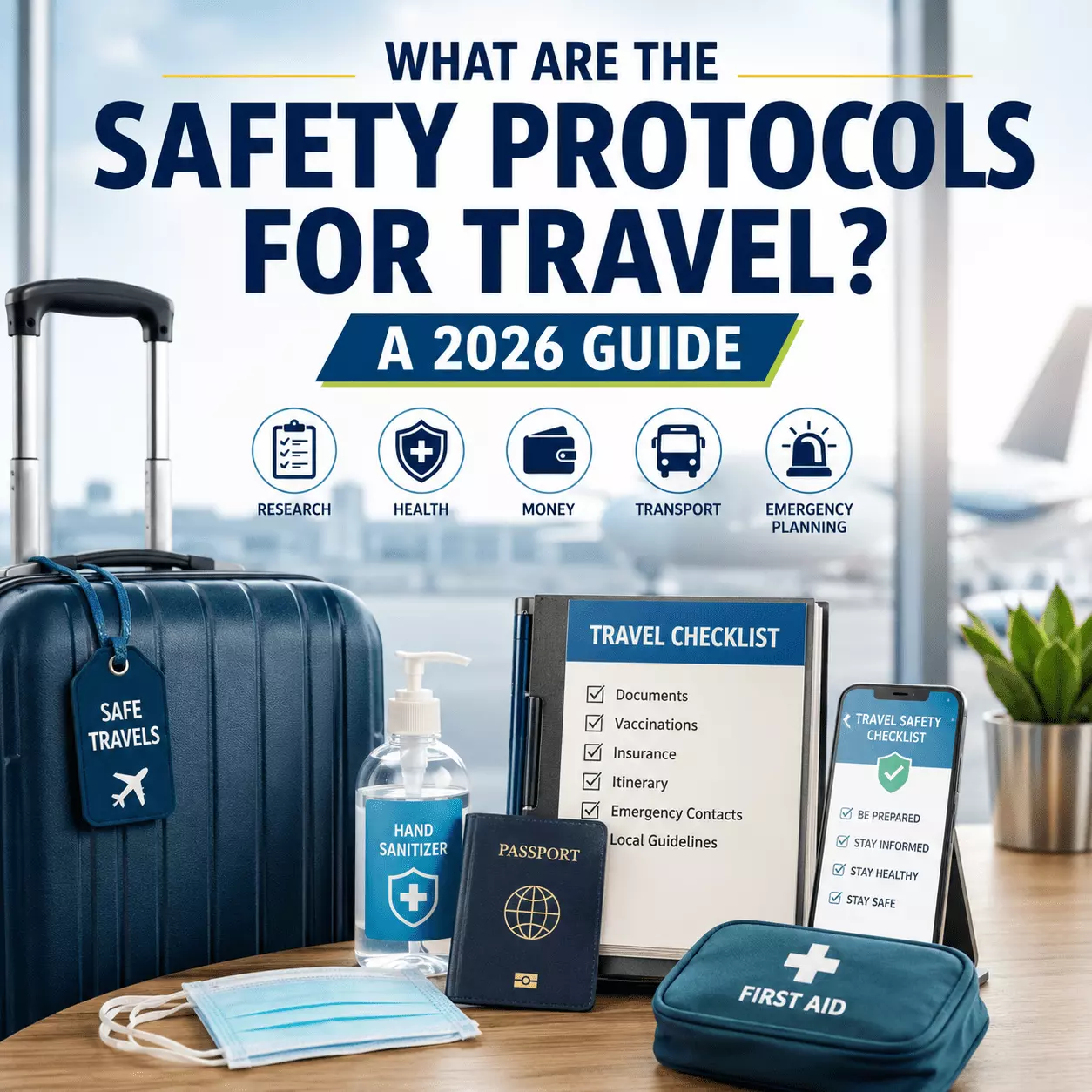
I have pulled this together from official health and government guidance. That taught me the same core steps that protect almost every traveller. Below, I break each protocol into clear, simple actions. By the end, you will have a full plan for any trip.
Before You Travel: Pre-Trip Protocols
Good safety starts long before you leave home. Check that your passport is valid for at least six months past your return. Research your destination’s laws, customs, and local risks. Apply for any required visa well in advance.
A solid pre-trip safety checklist saves you stress later. Book and confirm your return or onwards tickets first. Buy coverage and share your full itinerary with a trusted contact. Enrol in the Smart Traveller Enrolment Program for embassy alerts.
Documents deserve their own careful step. Scan your passport, visa, and bookings, then store them in the cloud. Keep printed backups in a separate bag, too. A tidy travel document checklist stops airport surprises.
Quick Facts
| Protocol | Key Action |
|---|---|
| Passport | Ensure your passport is valid for at least six months beyond your planned return date, if required by your destination. |
| Documents | Keep digital copies in secure cloud storage and carry printed backups of your passport, visas, and travel itinerary. |
| Insurance | Purchase travel insurance that includes medical treatment, emergency evacuation, and trip interruption coverage. |
| Alerts | Enroll in the Smart Traveler Enrollment Program (STEP) or your country’s equivalent to receive embassy alerts and emergency updates. |
| Health | Visit a travel clinic 4–6 weeks before departure to discuss recommended vaccines and destination-specific health advice. |
| Medications | Carry prescription medicines in their original labeled containers inside your carry-on bag. |
| Money | Split your cash and payment cards between different secure locations to reduce the impact of loss or theft. |
| Transport | Use trusted transportation services and always verify the vehicle’s license plate and driver’s identity before entering. |
| Digital Security | Use a VPN when connecting to public Wi-Fi and enable two-factor authentication on important accounts. |
| Emergency | Save your country’s embassy contact details and local emergency phone numbers before your trip. |
Health and Vaccination Protocols
Your health protocols matter just as much as your paperwork. Check the CDC Travelers’ Health page for your destination. Some countries require proof of yellow fever vaccination to enter. Routine shots like MMR and Tdap should be current.
US Non-Citizen Travel Security Rules: What to Know in 2026
Solo Travel Safety Advice: Your Guide to Safer Trips
International Travel Safety Coverage: What You Need to Know
What Are Safety Measures During Travel? A Practical Guide
Mexico Travel Advisory Tourist Safety: The 2026 Guide
Travel Security and Evacuation Services: A Complete Guide
Corporate Travel Security Solutions: A Guide for Businesses
Travel Safety Tips: How to Stay Safe on Any Trip
Mexico Travel Advisory Tourist Safety: The 2026 Guide
Timing is key with vaccines. See a travel clinic four to six weeks before you go. They advise on shots, malaria pills, and current outbreaks. Good travel health and safety planning starts with that visit.
Medications need extra care across borders. Pack all meds in their original labelled containers in your carry-on. Carry a doctor’s letter for controlled or injectable drugs. Bring extra doses in case your trip runs long.
Food and water cause the most traveller illness. In higher-risk regions, drink sealed or boiled water only. Eat food that is hot, cooked, and freshly served. Skip raw items and ice from unknown sources.
US Non-Citizen Travel Security Rules: What to Know in 2026
Solo Travel Safety Advice: Your Guide to Safer Trips
International Travel Safety Coverage: What You Need to Know
What Are Safety Measures During Travel? A Practical Guide
Mexico Travel Advisory Tourist Safety: The 2026 Guide
Travel Security and Evacuation Services: A Complete Guide
Corporate Travel Security Solutions: A Guide for Businesses
Travel Safety Tips: How to Stay Safe on Any Trip
Mexico Travel Advisory Tourist Safety: The 2026 Guide
Document and Money Safety
Protecting your cash and cards prevents a ruined trip. Split your money across two or three places. Keep one card and some cash on you; the rest locked away. Store photocopies of documents apart from the originals.
A few habits guard against theft. Use a hotel safe for your passport and spare cards. Carry an RFID-blocking wallet to stop card skimming. Do not flash cash or expensive gear in public.
Smart sharing keeps you safer, too. Do not post your live location on public social media. Tell only trusted people where you are staying. These simple travel safety precautions add real protection.
Transit and Transportation Safety
How you move around carries its own risks. Arrange rides from licensed, reputable companies before you land. Use app-based services over street taxis when possible. Match the licence plate and make the driver confirm your name.
Basic habits reduce transit danger. Wear a seatbelt, even in taxis and buses. Keep bags zipped and in front of you in crowds. Watch for pickpockets in busy stations and terminals.
Airports need their own awareness. Move through airport security with your documents and meds handy. Never leave your bags unattended for a moment. On long flights, move often to prevent blood clots.
On-the-Ground Awareness
Once you arrive, awareness is your best tool. Walk with purpose and keep your head up. Use the traffic-light rule: green for busy daytime streets, yellow for quiet areas, and red for isolated alleys. Trust people, but keep your radar on.
Where you sleep shapes your safety. Choose lodging with a 24-hour reception and good reviews. Request a room near a fire exit but not on the ground floor. Lock the door and use the deadbolt every time.
US Non-Citizen Travel Security Rules: What to Know in 2026
Solo Travel Safety Advice: Your Guide to Safer Trips
International Travel Safety Coverage: What You Need to Know
What Are Safety Measures During Travel? A Practical Guide
Mexico Travel Advisory Tourist Safety: The 2026 Guide
Travel Security and Evacuation Services: A Complete Guide
Corporate Travel Security Solutions: A Guide for Businesses
Travel Safety Tips: How to Stay Safe on Any Trip
Mexico Travel Advisory Tourist Safety: The 2026 Guide
Timing choices matter a lot. Try not to arrive in a new city after dark. Save the number for the local emergency service. Learn a few key phrases in the local language.
Digital and Cyber Safety
Your devices need protection on the road. Use a VPN whenever you join a public wifi. Avoid banking or shopping over open networks. A password manager keeps your logins strong and safe.
Backups guard against loss or theft. Save copies of key files in encrypted cloud storage. Turn on device tracking and remote wipe. Keep your phone charged with a portable power bank.
Scams target travelers online, too. Ignore unexpected links and fake booking messages. Book only through official airline and hotel sites. Confirm any request for money through a second channel.
Emergency Preparedness
Planning for the worst keeps small problems small. Save your country’s nearest embassy contact details. Keep a list of emergency numbers and medical contacts. Solid emergency preparedness for travel turns panic into action.
A basic kit covers many situations. Pack a small first-aid kit and any personal meds. Carry a copy of your insurance and blood type. Know your evacuation options for remote or high-risk areas.
Communication is your lifeline in a crisis. Set a regular check-in time with someone at home. Share a detailed route for remote trips. An eSIM or local SIM keeps you connected on arrival.
Safety for Different Travelers
Your protocols shift a little based on who you are. Each group has a few extra habits. Here is the quick breakdown.
Solo travelers need the strongest awareness. Solo travel safety means sharing your daily plan and location. Arrive by daylight and book your first night ahead. Join a group tour for parts of a trip if you like.
US Non-Citizen Travel Security Rules: What to Know in 2026
Solo Travel Safety Advice: Your Guide to Safer Trips
International Travel Safety Coverage: What You Need to Know
What Are Safety Measures During Travel? A Practical Guide
Mexico Travel Advisory Tourist Safety: The 2026 Guide
Travel Security and Evacuation Services: A Complete Guide
Corporate Travel Security Solutions: A Guide for Businesses
Travel Safety Tips: How to Stay Safe on Any Trip
Mexico Travel Advisory Tourist Safety: The 2026 Guide
Women, seniors, and families each adapt. Women should respect local dress and guard their lodging details. Seniors should call ahead about mobility and pack meds in carry-on. Families should set a meeting spot and teach kids key details.
Seasonal and Health Alerts
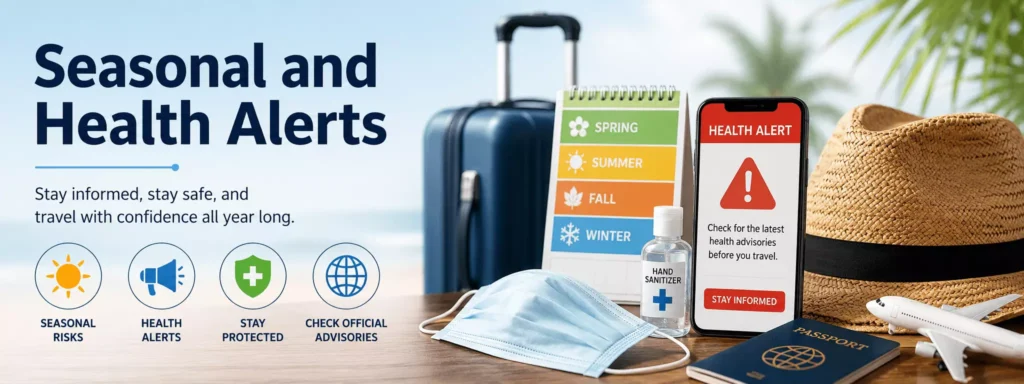
The time of year changes your risks. In summer, stay hydrated and avoid the midday heat. Watch for crowded, scam-prone tourist spots in peak season. Protect your skin and pace outdoor activity.
Health alerts can change fast. Check government advisory sites right before you travel. Watch for active outbreaks in your destination or transit stops. Following international travel safety guidance keeps you a step ahead.
Why These Protocols Matter
A little preparation prevents a lot of trouble. Most travel problems are avoidable with a few smart steps. A few hours of planning can save you money and stress. It can also keep a small hiccup from becoming an emergency.
These steps protect more than your safety. They protect your health, your wallet, and your documents. They also give you the confidence to explore freely. That peace of mind is worth the small effort.
The best travel safety tips share one common thread. They turn vague worry into clear, simple actions. You do not need to be an expert to follow them. You just need to build them into your routine.
Putting It All Together
The best protection is a simple, repeatable routine. Prepare your documents, health, and insurance before you go. Stay aware, use vetted transport, and guard your valuables on the ground. Keep an emergency plan ready just in case.
A good, safe travel checklist ties every step together. Run through it before each trip, big or small. Adjust it for your destination and travel style. That habit turns worry into confidence.
Consistency is what keeps you safe over time. The same core travel safety measures work almost everywhere. Build them into how you plan and pack. Then you can focus on enjoying the journey.
US Non-Citizen Travel Security Rules: What to Know in 2026
Solo Travel Safety Advice: Your Guide to Safer Trips
International Travel Safety Coverage: What You Need to Know
What Are Safety Measures During Travel? A Practical Guide
Mexico Travel Advisory Tourist Safety: The 2026 Guide
Travel Security and Evacuation Services: A Complete Guide
Corporate Travel Security Solutions: A Guide for Businesses
Travel Safety Tips: How to Stay Safe on Any Trip
Mexico Travel Advisory Tourist Safety: The 2026 Guide
Frequently Asked Questions
What should I do before travelling internationally?
Check your passport validity, apply for visas, and buy insurance. Research your destination and enrol in STEP for alerts. Store document copies in the cloud and share your itinerary.
What health steps should I take before a trip?
Visit a travel clinic four to six weeks before you go. Update routine and destination-specific vaccines as advised. Pack meds in original containers in your carry-on.
How do I keep my documents and money safe?
Split cash and cards across two or three places. Store copies of documents apart from the originals. Use a hotel safe and an RFID-blocking wallet.
What are the most important transport safety rules?
Use licensed or app-based rides over street taxis. Match the plate and make the driver confirm your name. Wear a seatbelt and guard your bags in crowds.
How can I stay safe online while traveling?
Use a VPN on public Wi-Fi and avoid banking on open networks. Keep a password manager and backup key files. Ignore suspicious links and book through official sites.
What should be in a travel emergency plan?
Save embassy and local emergency numbers before you go. Pack a small first-aid kit and insurance copies. Set a check-in time with someone at home.
Do I really need travel insurance?
Yes, it protects against medical bills and trip changes. Look for plans covering evacuation and adventure sports. Compare the fine print before you buy.
Explore All 14 Travel Essentials Categories
- Luggage & Bags
- Packing Organisation & Cubes
- Travel Tech & Electronics
- Toiletries & Travel-Size
- Travel Comfort
- Travel Safety & Security
- Packing Lists by Trip Type
- Packing Lists by Destination
- Travel Documents & Money
- Travel Clothing & Footwear
- Health, Hygiene & First-Aid
- Airport, Airline & Rules
- Essentials Guide
- Essentials for Women, Men & Family