

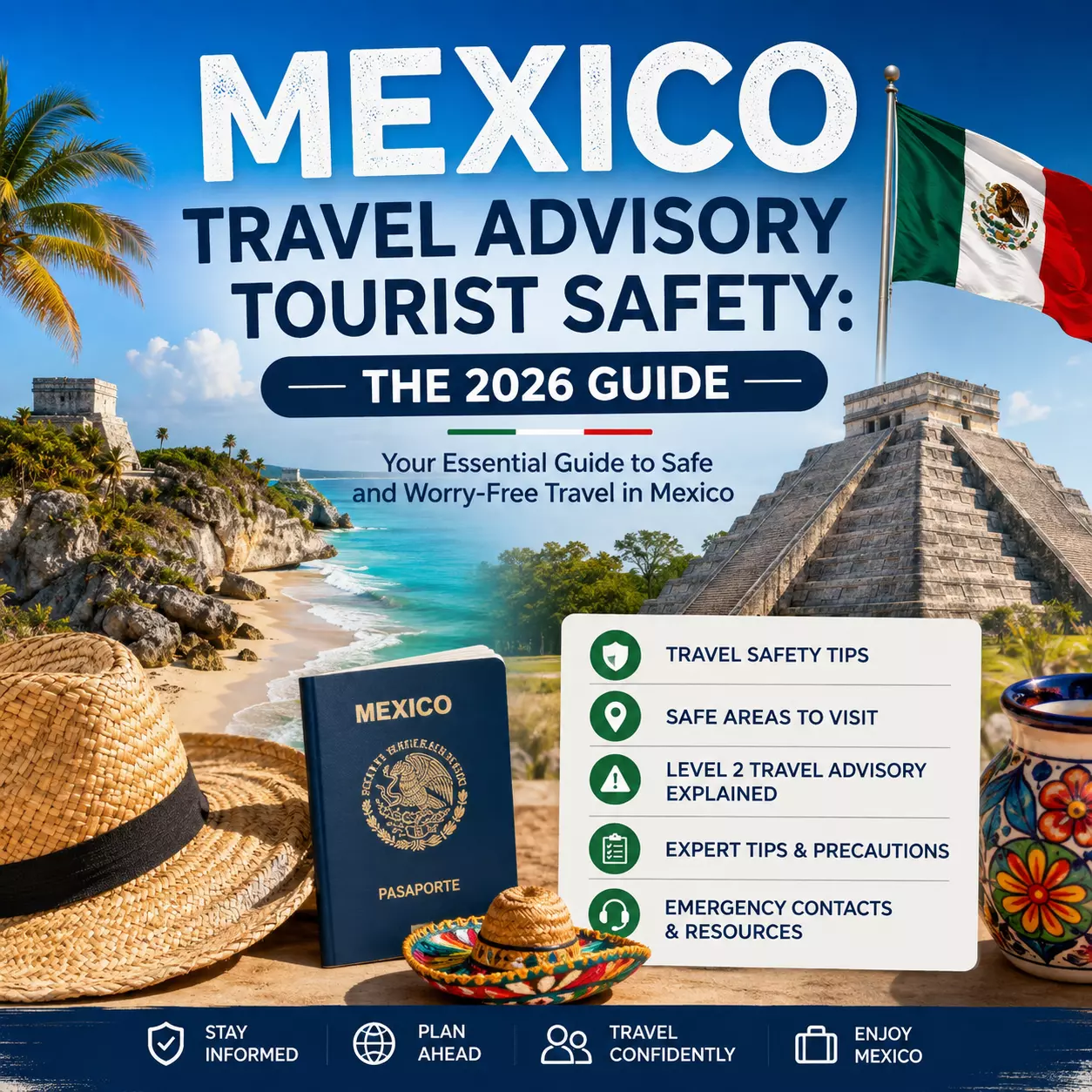
I have tracked the official advisories and embassy alerts closely all year. That taught me how often headlines misread the real risk. Below, I break down the levels, the safe zones, and the states to avoid. By the end, you will know exactly how to plan a safe trip.
How the Four-Level System Works
The U.S. State Department rates each destination from one to four. It is the clearest tool a traveler has. Mexico is unusual, since it gets a separate rating for each of its 32 states. That detail is the most useful thing you can know.
Here is what each level means in plain terms. Level 1 means exercising normal precautions, like in Canada or Europe. Level 2 means exercise increased caution, the same as in France and Italy. Level 3 means reconsider travel, and Level 4 means do not travel.
Quick Facts
| Topic | Key Takeaway |
|---|---|
| Tourist Zones | Most major tourist destinations, including popular areas in France and the United Kingdom, are generally classified as Level 2 travel advisory areas. |
| Only Level 1 State | Yucatán is commonly listed as Mexico’s only Level 1 (Exercise Normal Precautions) state. |
| Level 4 States | Avoid non-essential travel to Colima, Guerrero, Michoacán, Sinaloa, and Tamaulipas, which are under the highest advisory level. |
| Level 3 States | States including Nuevo León and Baja California are generally classified as Level 3 (Reconsider Travel). |
| Cancún & Tulum | These popular destinations remain Level 2, with tourism operating normally in resort areas. |
| Nayarit | Nayarit is generally Level 2, while resort areas such as Punta Mita are considered among the safest parts of the state. |
| Monterrey | Although Nuevo León is under a Level 3 advisory, Monterrey’s central business and tourist districts are generally well secured. |
| February 2026 Events | Brief security incidents occurred in some regions, but major resort destinations continued operating without significant disruption. |
| Spring Break | Use trusted ride-sharing apps, never leave drinks unattended, and stay with your travel group, especially at night. |
| Legal Note | Mexico has strict laws regarding vapes, illegal drugs, and controlled substances. Violations can result in severe penalties. |
Where the Tourist Zones Stand Now
Most famous destinations sit at Level 2 as of the August 2025 advisory. That includes Quintana Roo, home to Cancun, Tulum, and Playa del Carmen. It also covers Los Cabos, Mexico City, Oaxaca, and Nayarit. The Yucatán state holds the only Level 1 rating in the country.
US Non-Citizen Travel Security Rules: What to Know in 2026
Solo Travel Safety Advice: Your Guide to Safer Trips
International Travel Safety Coverage: What You Need to Know
What Are Safety Measures During Travel? A Practical Guide
What Are the Safety Protocols for Travel? A 2026 Guide
Travel Security and Evacuation Services: A Complete Guide
Corporate Travel Security Solutions: A Guide for Businesses
Travel Safety Tips: How to Stay Safe on Any Trip
Mexico Travel Advisory Tourist Safety: The 2026 Guide
This status has stayed steady through 2026. The broad picture of Mexico travel safety is reassuring for tourists. The places most Americans visit are not the dangerous ones. Federal forces keep a heavy security presence in these zones.
Context beats the scary map headlines every time. Any honest Mexico travel safety update shows the resorts operating normally. Direct flights from the U.S. land in the safer states. Judging travel to Mexico’s safety by state, not by the whole country, is the key habit.
US Non-Citizen Travel Security Rules: What to Know in 2026
Solo Travel Safety Advice: Your Guide to Safer Trips
International Travel Safety Coverage: What You Need to Know
What Are Safety Measures During Travel? A Practical Guide
What Are the Safety Protocols for Travel? A 2026 Guide
Travel Security and Evacuation Services: A Complete Guide
Corporate Travel Security Solutions: A Guide for Businesses
Travel Safety Tips: How to Stay Safe on Any Trip
Mexico Travel Advisory Tourist Safety: The 2026 Guide
The Level 3 and Level 4 States
Some states carry the most serious warnings. The Level 4 “Do Not Travel” states are Colima, Guerrero, Michoacán, Sinaloa, and Tamaulipas. The warnings tie to organised crime and cartel activity. These areas are not where the resorts or direct flights are.
Level 3 states sit in the middle. They include Baja California, Chihuahua, Durango, Sonora, Zacatecas, and Nuevo León. Reconsider travel there, or stick tightly to safe urban zones. Reliable Mexico travel safety news flags these as areas needing extra care.
Treat a Level 4 state as off the table for now. If your route passes through one, plan around it. A connection in a high-risk state adds overland danger. When in doubt, use the highest level on your route as the baseline.
The February 2026 Events and Recovery
A wave of cartel violence flared in early 2026. On February 22, Mexican forces killed a major cartel leader in Jalisco. That triggered brief retaliatory violence across several states. The U.S. Embassy issued temporary shelter-in-place guidance in some areas.
The response was precautionary and short-lived. Blockades were cleared within days, and airports resumed normal operations. Quintana Roo and Cancun stayed at Level 2 with no impact. Following the Mexico travel safety news today, the resort corridors returned to routine fast.
The lesson here is about geography, not panic. Cancun sits more than a thousand miles from Jalisco. The two regions operate entirely independently. Always check the live advisory close to your travel date.
Spring Break Safety
Mexico draws huge spring break crowds each year; around 35,000 U.S. visitors heading to its beaches and cities. On March 2, the embassy issued a spring break travel message. It confirmed the late-February violence had ended while noting normal crime risks remain.
Practical rules make spring break safe and fun. Good Mexico travel safety spring break advice starts with vetted transport. Use official airport taxis or apps like Uber, not random street cabs. Never leave a drink unattended or accept one from a stranger.
US Non-Citizen Travel Security Rules: What to Know in 2026
Solo Travel Safety Advice: Your Guide to Safer Trips
International Travel Safety Coverage: What You Need to Know
What Are Safety Measures During Travel? A Practical Guide
What Are the Safety Protocols for Travel? A 2026 Guide
Travel Security and Evacuation Services: A Complete Guide
Corporate Travel Security Solutions: A Guide for Businesses
Travel Safety Tips: How to Stay Safe on Any Trip
Mexico Travel Advisory Tourist Safety: The 2026 Guide
A few more habits protect you at night. Stay aware in busy downtown areas after dark. The best travel safety Mexico spring break tip is to stick with your group. Avoid unregulated alcohol and counterfeit medication, too.
Cancun and the Riviera Maya
Cancun is the most visited destination in Mexico. It sits in Quintana Roo at Level 2. Tourism there has continued to operate normally throughout 2026. The area returned to routine within a day of the February events.
The real risks for visitors are minor, not cartel-related. Petty theft, beach scams, and unregulated water-sport vendors top the list. Stay inside resort security perimeters and use vetted ground transport. The U.S. Embassy suggests enrolling in STEP for real-time alerts.
Overall travel safety ratings for Mexico favour the Caribbean coast. Federal forces patrol the hotel zones heavily. Millions visit each year without incident. A beach holiday here carries about the same risk as one in Europe.
Mexico City
Mexico City is broadly safe for daytime tourism. Central neighbourhoods like Roma, Condesa, and Polanco are well-patrolled. Strong Mexico City travel safety habits focus on petty crime, not cartel violence. Pickpocketing on the metro is the main visitor concern.
A few precautions go a long way in the capital. The Mexico City safety travel advisory sits at Level 2, like the resorts. Use Uber or Didi instead of street taxis. Watch for taxi-hailing scams around busy areas.
Common sense keeps your trip smooth. Stick to central districts and stay alert in crowds. Keep valuables hidden and bags zipped in the metro. Enjoy the food and museums with normal caution.
US Non-Citizen Travel Security Rules: What to Know in 2026
Solo Travel Safety Advice: Your Guide to Safer Trips
International Travel Safety Coverage: What You Need to Know
What Are Safety Measures During Travel? A Practical Guide
What Are the Safety Protocols for Travel? A 2026 Guide
Travel Security and Evacuation Services: A Complete Guide
Corporate Travel Security Solutions: A Guide for Businesses
Travel Safety Tips: How to Stay Safe on Any Trip
Mexico Travel Advisory Tourist Safety: The 2026 Guide
Nayarit and Punta Mita
Nayarit is a rising star on the Pacific coast. It sits at Level 2, and the Punta Mita area is a polished resort zone. The nayarit mexico travel safety 2026 picture stays calm in these tourist corridors. Luxury resorts and gated communities line the coast.
Stick to the established zones for the safest trip. The Nayarit Mexico travel safety 2025 outlook held steady into this year. Riviera Nayarit and Sayulita remain popular and well-patrolled. Use vetted transport and avoid isolated rural roads at night.
Monterrey and the North
Monterrey is a wealthy business and sports hub. It sits in Nuevo León, which is rated Level 3 overall. The state rating reflects rural risk, not the city core. Considering travel to monterrey mexico safety, the urban zones are heavily secured.
Stick to established visitor areas in the city. San Pedro Garza García, Barrio Antiguo, and Macroplaza are fan-safe. Uber works freely from the airport and across town. Avoid rural night driving and industrial outskirts after dark.
Key Safety Rules for Tourists
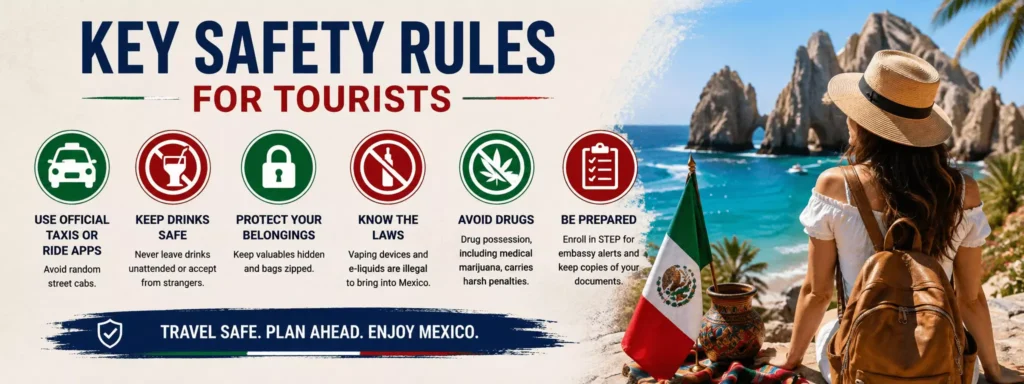
A few simple rules cover most of Mexico. Use official taxis or ride apps, never random street cabs. Do not leave drinks unattended or accept them from strangers. Keep your valuables hidden and your bags zipped.
Two legal notes trip up many visitors. Vaping devices and e-liquids are illegal to bring into Mexico. Drug possession, including medical marijuana, carries harsh penalties. Leave both at home to avoid fines or arrest.
Preparation ties it all together. Enrol in STEP for critical embassy alerts. Keep copies of your passport and key documents. Overall, travel in mexico safety improves the moment you plan ahead.
What Other Governments Say
Other countries echo the U.S. approach. Canada advises a high degree of caution nationwide due to crime. It flags the same Level 4 states as areas to avoid. It does not tell visitors to skip the main tourist zones.
US Non-Citizen Travel Security Rules: What to Know in 2026
Solo Travel Safety Advice: Your Guide to Safer Trips
International Travel Safety Coverage: What You Need to Know
What Are Safety Measures During Travel? A Practical Guide
What Are the Safety Protocols for Travel? A 2026 Guide
Travel Security and Evacuation Services: A Complete Guide
Corporate Travel Security Solutions: A Guide for Businesses
Travel Safety Tips: How to Stay Safe on Any Trip
Mexico Travel Advisory Tourist Safety: The 2026 Guide
The UK and Australia take a similar line. They advise against travel to high-risk border and cartel states. Both leave Yucatán and Baja California Sur clear of elevated warnings. Sensible travel safety in Mexico means checking your own government’s page first.
The pattern across all four governments is the same. The Riviera Maya tourist zones do not draw the elevated warnings. The northern border and cartel-heavy states do. The current Mexico safety travel advisory rewards travelers who research by state.
Frequently Asked Questions
Is Mexico safe to travel to right now?
Most tourist zones are at Level 2, like France and the UK. A few states carry Level 3 or Level 4 warnings, far from resorts. Check the advisory for your exact destination before booking.
Is Cancun safe for spring break in 2026?
Yes, Cancun sits at Level 2, and tourism runs normally. Use ride apps, guard your drinks, and stay with your group. The main risks are petty theft and scams, not cartel violence.
Which Mexican states should I avoid?
Five states hold a Level 4 “Do Not Travel” warning. They are Colima, Guerrero, Michoacán, Sinaloa, and Tamaulipas. These are not where the resorts or direct flights are.
Did the February 2026 violence affect tourist areas?
It briefly hit Jalisco and nearby states with shelter-in-place orders. Cancun and the Caribbean coast stayed at Level 2. Blockades cleared and airports reopened within days.
Is Nayarit safe to visit?
Yes, Nayarit is at Level 2, and Punta Mita is a polished resort zone. Stick to Riviera Nayarit and Sayulita for the safest trip. Use vetted transport and avoid rural roads at night.
Is Monterrey safe for tourists?
Nuevo León is Level 3 overall, but Monterrey’s core is well-secured. Stay in San Pedro, Barrio Antiguo, and Macroplaza. Avoid rural night driving and industrial outskirts.
What items are illegal to bring into Mexico?
Vaping devices, e-cigarettes, and e-liquids are illegal to import. Drugs, including medical marijuana, carry severe penalties. Leave both at home to avoid fines or arrest.
Explore All 14 Travel Essentials Categories
- Luggage & Bags
- Packing Organisation & Cubes
- Travel Tech & Electronics
- Toiletries & Travel-Size
- Travel Comfort
- Travel Safety & Security
- Packing Lists by Trip Type
- Packing Lists by Destination
- Travel Documents & Money
- Travel Clothing & Footwear
- Health, Hygiene & First-Aid
- Airport, Airline & Rules
- Essentials Guide
- Essentials for Women, Men & Family