

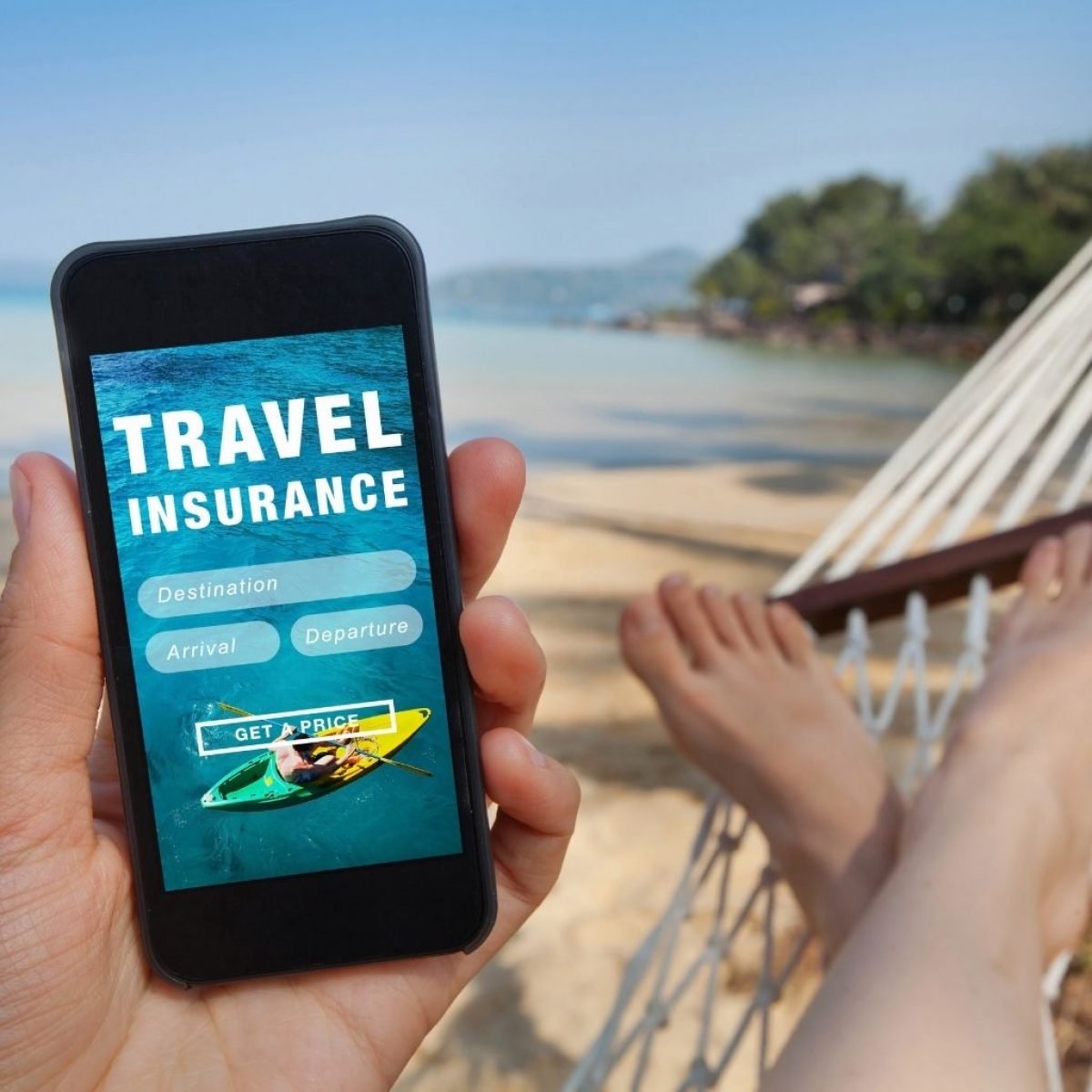
I have needed care abroad more than once over the years. A good policy turned a scary moment into a manageable one. Let me walk you through how it all works below.
This guide is general information, not financial or medical advice. Plans, costs, and rules vary by insurer and country. Always read your full policy before you buy.
Quick Facts
| Topic | Quick Answer |
| What it is | Medical coverage for emergencies outside your home country |
| Why you need it | Home plans and Medicare rarely cover abroad |
| Core coverage | Emergency care, hospital, evacuation, repatriation |
| Not covered | Routine care, most pre-existing, elective, cancellation |
| Plan types | Short-term trip or global long-term |
| Visa rule | Schengen needs 30,000 euro minimum cover |
| Students | Often $100,000 medical, $25,000 repatriation |
| Pre-existing | Waiver needs early purchase |
| Before you buy | Compare limits, networks, and exclusions |
What Is It?
At its core, this is emergency medical coverage for trips abroad. It works where your home insurance stops.
The policy pays for sudden illness or injury outside your country. It is built for emergencies, not routine or planned care. Short-term plans cover single trips of set lengths. Long-term or global plans suit expats and frequent travelers.
Think of it as a financial safety net far from home. It covers the costs your home plan will not. Once your trip ends, short-term cover ends too. Global plans instead renew year to year.
Coverage often starts the moment you leave home. It usually spans your entire trip abroad. Some plans even cover brief stops in other countries. Always check the exact start and end dates.
Why Your Home Insurance Fails Abroad
Many travelers assume they are covered overseas. That mistake can cost a fortune.
Most U.S. plans, including Medicare and Medicaid, do not cover care abroad. The U.S. government does not pay your medical bills overseas either. Even plans with some coverage make you pay upfront. Health insurance for overseas travel fills that dangerous gap.




A foreign hospital may demand payment before it treats you. International health insurance for travel can pay providers directly. It also guides you through an unfamiliar system. That support matters most in a crisis.
This is why health insurance for international travel is a smart buy. A solid foreign health insurance plan removes the upfront-payment worry. Reliable health insurance abroad also arranges care fast. In short, health insurance for abroad turns panic into a phone call.
What It Covers
Coverage varies by plan, but the core is consistent. Here is what most policies include.
Most plans cover emergency medical treatment and hospital stays. They also cover doctor visits, prescriptions, and emergency dental. Emergency evacuation moves you to proper care when needed. Repatriation returns your remains home in a worst case.
| Benefit | What It Covers |
| Emergency medical care | Sudden illness or injury abroad |
| Hospital and doctor visits | Treatment, lab tests, ambulance |
| Emergency evacuation | Transport to adequate care |
| Repatriation of remains | Returning you home if the worst happens |
Good foreign travel health insurance often adds 24-hour assistance. That line helps you find quality doctors and hospitals. Some plans include pre-trip medication support. Always confirm the coverage limits before you buy.
A few plans cover a companion’s travel to your bedside. Others pay for a child’s return home if you are hospitalized. Emergency dental for sudden pain is often included. Check which extras each policy offers.
What It Does Not Cover
Knowing the exclusions is just as important. These are the usual gaps.
Most plans exclude routine care like physicals and vaccines. Pre-existing conditions are often excluded without a waiver. Elective procedures like cosmetic surgery are not covered. High-risk sports need a special add-on to be covered.
| Exclusion | Details |
| Routine and preventive care | Physicals, screenings, vaccines |
| Pre-existing conditions | Unless a waiver applies |
| Elective procedures | Cosmetic or non-urgent surgery |
| High-risk activities | Skydiving, scuba, unless added |
Trip cancellation is not part of medical coverage. That belongs to comprehensive travel insurance instead. Charges above usual and customary rates may be denied. Read the exclusions section closely before you travel.
Short-Term vs Global Plans
Not every plan works the same way. Picking the right type matters.
Short-term travel medical plans cover a single trip abroad. Global or long-term plans suit expats living overseas. Health travel insurance international short-term plans focus on emergencies only. Global plans add routine and wellness care for residents.

Coverage can also be primary or secondary. Primary pays out first, before any other plan. Secondary pays what your home plan does not. When abroad with no local cover, secondary acts as primary.
An overseas travel health insurance plan works for a one-off trip. A world wide health insurance plan suits constant globe-trotters. For residents abroad, global travel health insurance adds day-to-day care. Match the plan to how long and how far you go.
Coverage by Traveler and Destination
Different trips call for different plans. Here is how needs shift.
International travel health insurance for u.s. citizens is vital, since domestic plans stop at the border. International travel health insurance for seniors matters most, as Medicare rarely covers overseas care. Students often need set minimums, like $100,000 medical and $25,000 repatriation. Business travelers want reliable networks and wider benefits.
Where you go shapes your plan too. International health insurance thailand travelers may want strong evacuation cover. International health insurance for europe often must meet visa minimums. A worldwide travel health insurance plan spans many countries at once.
Remote and adventurous trips raise evacuation costs sharply. Urban trips may need lower limits than a jungle trek. City hospitals are closer and better equipped. Always match your limits to the local risk before you travel.
Visa and Entry Requirements
Some countries require proof of coverage to enter. Plan for this well ahead.
A long-term European visa needs at least 30,000 euros in medical cover. It must include emergency medical evacuation too. Student exchange visas often require $100,000 in medical benefits. Always check the exact rules for your destination and visa.
Keep your policy documents easy to reach at the border. Officials may ask for proof at entry. A plan that meets the minimum doubles as a visa requirement. Confirm the numbers before you apply.
Some embassies list approved insurers for visa applications. Check that your plan appears on any required list. Print a copy of your policy for the appointment. A compliant plan speeds up your visa process.
How Much It Costs
Price depends on several personal factors. Here is a rough guide.
Premiums rise with age, trip length, and destination. Coverage amounts and add-ons also move the price. A global plan with U.S. coverage costs more than one without. Higher maximum limits raise the premium as well.
For example, an annual global plan can start near $900 for a younger adult. Comprehensive high-limit plans cost several times that. Dropping U.S. coverage lowers the price noticeably. Compare a few quotes to find your best value.
A short single trip may cost just a few dollars a day. Deductibles also affect your premium. A higher deductible lowers the monthly cost. Balance the deductible against what you can comfortably pay upfront.
Pre-Existing Conditions and Waivers
Pre-existing conditions are a common worry. The rules here are worth knowing.
Insurers use a look-back period before your purchase date. Any condition treated in that window may be excluded. A waiver can cover it if you qualify. You usually must buy soon after your first trip payment.
Buy the policy before any new symptoms appear. A recent diagnosis can trigger an exclusion. Read the waiver terms closely before you rely on them. When unsure, ask the insurer directly.
Keep records of your medications and past treatments. Honest disclosure protects your claim later. A stable condition may still qualify for cover. Insurers set their own stability timeframes for approval.
Top Providers to Compare
Several insurers specialize in these plans. Compare them rather than guessing.
Names like IMG, Trawick, and WorldTrips come up often. Patriot America plans target visitors and expats. Each provider differs on limits, networks, and price. The best international health insurance for travel fits your exact trip.
Read reviews and the fine print before you buy. Check the provider’s hospital and pharmacy network abroad. A wide global network means easier care. Compare quotes side by side to decide.
Look at each insurer’s claims reputation too. Fast, fair payouts matter in an emergency. A 24-hour multilingual helpline is a big plus. Financial strength ratings show a company’s long-term reliability.
How to Choose and Buy
Buying a plan is quick and mostly online. A few steps keep it simple.
Start by getting quotes from a few insurers. Compare medical limits, evacuation cover, and exclusions. You can buy health insurance for travel abroad online in minutes. Then read the full policy before you pay.
Match the coverage amount to your destination’s care costs. Add upgrades like sports or higher limits if needed. Save your documents and emergency numbers on your phone. Confirm the plan covers every country on your route.
Who Needs It Most
Some travelers face bigger risks than others. These groups should never skip cover.
Anyone getting health insurance for traveling abroad benefits from the safety net. Frequent flyers gain most from world travel health insurance that renews yearly. Retirees need strong plans, since Medicare fails overseas. Adventurers should add high-risk sports cover.
Visitors also need protection in a new country. International health insurance for visitors covers non-residents on a trip. Group and family plans cover several people at once. Match the plan to your travel style and risk.
Coverage Tips to Remember
A few habits help you pick and use cover well. Keep these in mind.
Confirm your overseas health coverage limits before you fly. Check that health insurance while abroad includes evacuation, not just treatment. A travel abroad health insurance plan should list your exact destinations. Higher limits cost more but protect you better.
International travelers health insurance works best when bought early. Keep your policy number and assistance line handy. A global health travel insurance plan often includes 24-hour help. Save every receipt and record for your claim.
Before You Travel
A little prep rounds out your protection. These steps help a lot.
Pack the best first aid kit for international travel for minor issues. Review the State Department health info for your destination. Carry prescriptions in labeled, original packaging. Keep digital copies of your policy and passport.
Compare your options with nearby markets too. A travel health insurance canada plan differs from a U.S. one, for example. Visitors heading stateside often need health insurance for tourists in usa. The best travel health insurance always matches your specific route and risks.
Some travelers start with a familiar brand for peace of mind. An allianz travel health insurance plan, for instance, bundles broad benefits. Still, compare it against specialist international insurers. The right fit depends on where and how you travel.
Frequently Asked Questions
Do I need international travel health insurance?
Yes, if you travel abroad, since home plans and Medicare rarely cover overseas. A serious emergency can cost tens of thousands. A plan protects your health and your finances.
Does Medicare cover me overseas?
Generally no, Medicare offers little to no coverage outside the U.S. That leaves seniors exposed to high bills abroad. A travel medical plan fills that gap.
What does it cover?
It covers emergency medical care, hospital stays, and doctor visits abroad. It also covers evacuation and repatriation. It does not replace your home health plan.
How much does it cost?
Costs depend on age, destination, trip length, and coverage limits. Short trips are cheap, while global annual plans cost more. Get a few quotes to compare.
Is it required for a visa?
Some visas require it, like Schengen’s 30,000 euro minimum. Student exchange visas often set their own minimums. Always check your destination’s rules.
Does it cover pre-existing conditions?
Often only with a waiver you must qualify for. Insurers use a look-back period before purchase. Buy soon after your first trip payment to keep the option.
Can I buy a plan that covers many countries?
Yes, worldwide and global plans cover multiple countries at once. They suit frequent travelers and expats. Confirm the plan lists every region you will visit.
⚠️ Important Note
This article is general information, not financial or medical advice. Coverage, costs, and requirements vary by insurer and country and change often. Always compare plans and read the full policy before you buy.
Explore All 14 Travel Essentials Categories
- Luggage & Bags
- Packing Organisation & Cubes
- Travel Tech & Electronics
- Toiletries & Travel-Size
- Travel Comfort
- Travel Safety & Security
- Packing Lists by Trip Type
- Packing Lists by Destination
- Travel Documents & Money
- Travel Clothing & Footwear
- Health, Hygiene & First-Aid
- Airport, Airline & Rules
- Essentials Guide
- Essentials for Women, Men & Family