


I have helped family visiting Canada sort their cover before arrival. The peace of mind was worth every dollar. Let me walk you through how it all works below.
This guide is general information, not financial or medical advice. Plans, rules, and costs vary by insurer and situation. Always read your full policy before you buy.
Quick Facts
| Topic | Quick Answer |
| What it is | Emergency medical cover for visitors to Canada |
| Why you need it | Public healthcare excludes visitors |
| Core coverage | Emergency care, hospital, ambulance, evacuation |
| Not covered | Routine care, unstable pre-existing, pregnancy |
| Super Visa rule | $100,000, Canadian provider, one year |
| Pre-existing | Covered if stable for a set period |
| Coverage limits | Often up to $150,000 to $200,000 |
| Age | Some plans accept up to age 85 |
| Before buying | Compare limits, deductibles, and exclusions |
What Is It?
At its core, this is emergency medical cover for your trip to Canada. It works where public healthcare does not.
The plan pays for sudden illness or injury during your visit. It suits tourists, students, and visiting family. It covers emergencies, not routine or planned care. Coverage lasts for the length of your stay.
Canada travel health insurance is not the same as public health cover. Visitors cannot rely on the provincial system. This private plan fills that gap. It is built for people without provincial coverage.
Returning Canadians can use it as a bridge too. Provincial coverage may take time to reactivate after a long absence. A short plan protects you during that wait. It is a smart safety net for that gap.
Why Visitors Need It
Many visitors assume Canadian healthcare is free for everyone. That assumption can get very expensive.

Canada’s public healthcare covers only citizens and permanent residents. Visitors are not covered at all. A single doctor visit or ambulance ride can cost a lot. Health insurance for canada removes that financial risk.
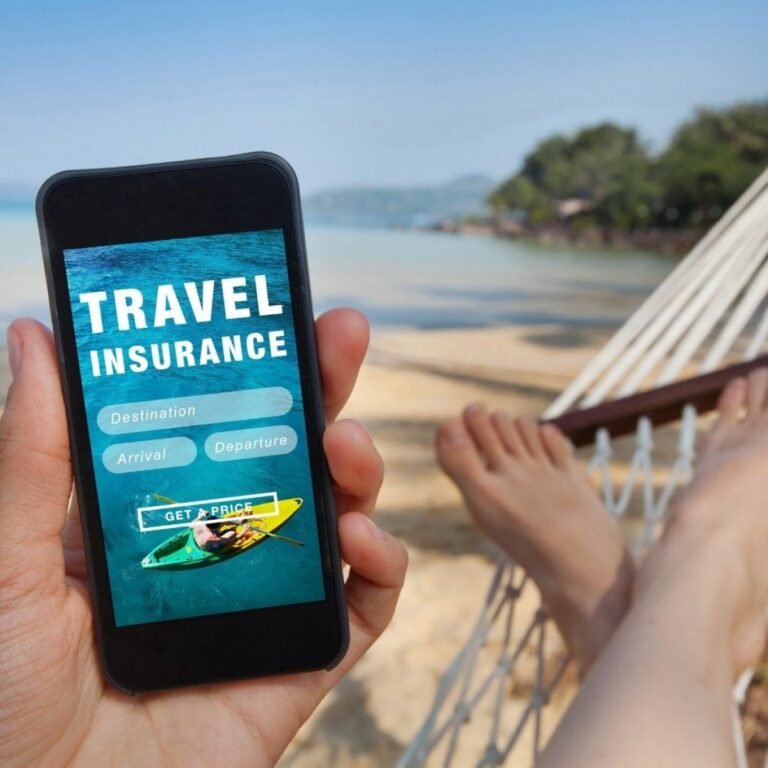



Your home country plan rarely helps here either. Most U.S. and other plans do not cover care abroad. Health insurance for travel to canada from usa is a smart buy for that reason. Without it, you pay every bill out of pocket.
Medical costs in Canada add up fast for the uninsured. Hospital stays and surgery can run into the thousands. An ambulance ride alone can be a big bill. A small premium protects you from all of that.
What It Covers
Coverage varies by plan, but the core is consistent. Here is what most plans include.
Most plans cover emergency medical treatment and hospital stays. They also cover doctor visits, lab tests, and ambulance rides. Accidental dental care is often included too. Emergency evacuation and repatriation round out the core.
| Benefit | What It Covers |
| Emergency medical care | Sudden illness or injury |
| Hospital and doctor visits | Treatment, labs, X-rays, surgery |
| Ambulance and evacuation | Transport to proper care |
| Accidental dental | Dental injury from an accident |
Good plans add 24-hour emergency assistance too. That line helps you navigate the local system. Some plans cover follow-up visits after treatment. Always confirm the coverage limits before you buy.
Prescription drugs from an emergency are often covered. Diagnostic tests like X-rays are usually included. Accident death and dismemberment benefits may apply too. Check each plan for the exact list of benefits.
What It Does Not Cover
Knowing the exclusions is just as important. These are the usual gaps.
Most plans exclude routine and preventive care. Unstable pre-existing conditions are usually not covered. Elective procedures are excluded as well. Extreme sports need an optional add-on.
| Exclusion | Details |
| Routine and preventive care | Checkups, screenings |
| Unstable pre-existing conditions | Unless stable and declared |
| Elective procedures | Non-urgent or cosmetic |
| Extreme sports | Needs optional add-on |
Pregnancy and childbirth are often excluded too. Many plans treat pregnancy as a pre-existing condition. Prescription drugs for pre-existing conditions may not be covered. Read the exclusions section closely before you travel.
Types of Visitor Plans
Not every plan fits every visitor. Picking the right type matters.
A tourist plan suits short visits and vacations. A Super Visa plan meets the program’s strict rules. Student plans cover international students who lack provincial cover. Returning Canadians can bridge the wait for provincial coverage.
Recreational sports are usually covered by standard plans. Extreme or organized sports need an add-on. Coverage amounts and deductibles vary widely. Match the plan type to your reason for visiting.
Family plans can cover several visitors at once. That often saves money over separate policies. Group plans suit tour groups and work teams. Pick the structure that fits your travel party.
Super Visa Insurance Requirements
The Super Visa has its own firm rules. Meeting them is essential for approval.
Super Visa applicants need at least $100,000 in coverage. The policy must come from a Canadian insurance provider. It must stay valid for at least one full year. You show proof of this before the visa is approved.

This visa lets parents and grandparents stay up to five years. The insurance requirement protects both sides. Buy the qualifying policy before you apply. Keep the proof documents easy to reach.
Some insurers offer monthly payment options for these plans. That eases the cost of a full year of cover. The policy must stay active for the whole period. A lapse could affect your visa status.
Pre-Existing Conditions
Pre-existing conditions are a common worry. The rules here are worth understanding.
Many plans exclude pre-existing conditions by default. Some cover them if stable for a set period. One insurer, for example, requires 180 days of stability. Report your medical status honestly to your advisor.
Your declared health affects both coverage and premium. An inaccurate answer can void a future claim. Ask exactly how the insurer defines stability. When unsure, get the details in writing.
Stability usually means no changes to your condition. That includes no new symptoms, tests, or medication changes. The look-back window varies by insurer. Read the pre-existing clause with care.
How Much It Costs
Price depends on several personal factors. Here is a rough guide.
Premiums rise with age, coverage limit, and trip length. Your deductible choice also moves the price. A higher deductible lowers your premium. Some plans accept applicants up to age 85.
Older applicants may need a medical questionnaire. Higher coverage limits cost more but protect you better. A longer stay raises the total price. Compare a few quotes to find your best value.
A short visit may cost only a few dollars a day. A year-long Super Visa plan costs more overall. Your chosen deductible shifts the premium as well. Balance the deductible against what you can pay upfront.
How to Choose and Buy
Buying a plan is quick and mostly online. A few steps keep it simple.
Start by getting quotes from a few Canadian insurers. Compare coverage limits, deductibles, and exclusions. Limits often range up to $150,000 or even $200,000. Then read the full policy before you pay.
Match the coverage amount to your length of stay. Add optional sports cover if you need it. Buy before you arrive for full protection. Save your documents and emergency numbers on your phone.
Read the policy wording, not just the summary. Check the deductible and any per-claim limits. Confirm whether pre-existing conditions are covered. A clear plan prevents nasty surprises later.
Health travel insurance canada plans can often be bought after arrival too. Still, earlier purchase is almost always better. Travel health insurance to canada should cover you from day one. Confirm the start date matches your arrival.
Coverage for Different Visitors
Different visitors face different needs. Here is how cover shifts.
Visiting canada health insurance for tourists focuses on emergencies. Students need longer plans that bridge the school year. Parents and grandparents usually need Super Visa cover. Returning Canadians bridge the provincial waiting period.
Where you come from matters too. A visitor from the U.S. still needs cover, since domestic plans stop at the border. Health insurance for travel to canada is essential for every visitor. A dedicated travel health insurance for canada plan is the safest choice. Match the plan to your visitor category.
Note that domestic travel health insurance is different from visitor cover. Domestic plans suit Canadians travelling within their own country. Visitors need a plan built for non-residents instead. Choose the type that fits your status.
Coverage for Students in Canada
International students face their own gap. Many need private cover.
Provincial healthcare rules vary by province and school. Some students do not qualify for public cover. Others are not covered right away on arrival. A visitor plan bridges that risk.
Check your school’s insurance requirements early. Some programs mandate a minimum coverage amount. A plan should span your whole study term. Renew it before it expires to stay protected.
A gap in cover can leave you exposed to big bills. Set a reminder well before your renewal date. Some plans offer easy extensions online. Keep your student status documents handy for claims.
How Claims Work
Filing a claim is simpler if you prepare early. Know the steps before you need them.
Save every receipt, bill, and medical record. Call the insurer’s 24-hour assistance line right away. Some plans pay hospitals directly, while others reimburse you. Submit your claim with full documentation promptly.
Keep your policy number and contacts together. A clear record speeds up your payout. Note any deadlines for filing a claim. Honest, complete paperwork prevents delays.
Ask the assistance line before major treatment when possible. They can direct you to covered providers. This helps avoid a denied or reduced claim. A quick call can save you real money on your bill.
Traveling Somewhere Else?
Canada is just one destination that needs cover. The same logic applies worldwide.
Heading to Europe first? A travel health insurance europe plan or schengen visa health insurance requirements may apply. A travel health insurance mexico plan suits a Cancun stopover. Japan and Thailand trips need cover too, from a travel health insurance japan plan to a thailand travel health insurance option.
Every destination has its own healthcare and entry rules. Some require proof of insurance to enter. Others simply leave you exposed without it. Research each stop before you travel.
Before You Go
A little prep rounds out your protection. These steps help a lot.
Keep your policy documents and passport copies handy. Declare any medical conditions accurately when you apply. Note the insurer’s 24-hour assistance number. Carry prescriptions in labeled, original packaging.
Compare your options carefully before you commit. The best travel health insurance always matches your exact trip. A familiar name like allianz travel health insurance can be a starting point. Visitors heading the other way may need health insurance for tourists in usa instead.
Tell the insurer about every medical condition upfront. Keep a list of your medications handy. Note the nearest hospitals at your destination. A little planning makes an emergency far less stressful.
Frequently Asked Questions
Is healthcare free for visitors in Canada?
No, Canada’s public healthcare covers only citizens and permanent residents. Visitors must pay for their own care. A single visit can cost thousands without insurance.
Do I need insurance for a Super Visa?
Yes, Super Visa applicants need at least $100,000 in coverage. It must come from a Canadian provider and last one year. You show proof before the visa is approved.
Does my home insurance work in Canada?
Usually not, since most domestic plans do not cover care abroad. U.S. plans rarely cover you in Canada. Check your policy, but plan to buy separate cover.
What does visitor insurance cover?
It covers emergency medical care, hospital stays, and ambulance rides. Accidental dental and evacuation are often included. Routine care and unstable pre-existing conditions are excluded.
Are pre-existing conditions covered?
Sometimes, if the condition has been stable for a set period. One insurer requires 180 days of stability. Always declare your health accurately to avoid denied claims.
How much does it cost?
Costs depend on age, coverage limit, deductible, and trip length. Older applicants and higher limits cost more. Get a few quotes to compare prices.
Can I buy it after I arrive?
Many plans allow purchase after arrival, but earlier is better. Buying before you travel ensures cover from day one. Confirm the start date matches your plans.
⚠️ Important Note
This article is general information, not financial or medical advice. Coverage, costs, and rules vary by insurer and change often. Always compare plans and read the full policy before you buy.
Explore All 14 Travel Essentials Categories
- Luggage & Bags
- Packing Organisation & Cubes
- Travel Tech & Electronics
- Toiletries & Travel-Size
- Travel Comfort
- Travel Safety & Security
- Packing Lists by Trip Type
- Packing Lists by Destination
- Travel Documents & Money
- Travel Clothing & Footwear
- Health, Hygiene & First-Aid
- Airport, Airline & Rules
- Essentials Guide
- Essentials for Women, Men & Family