

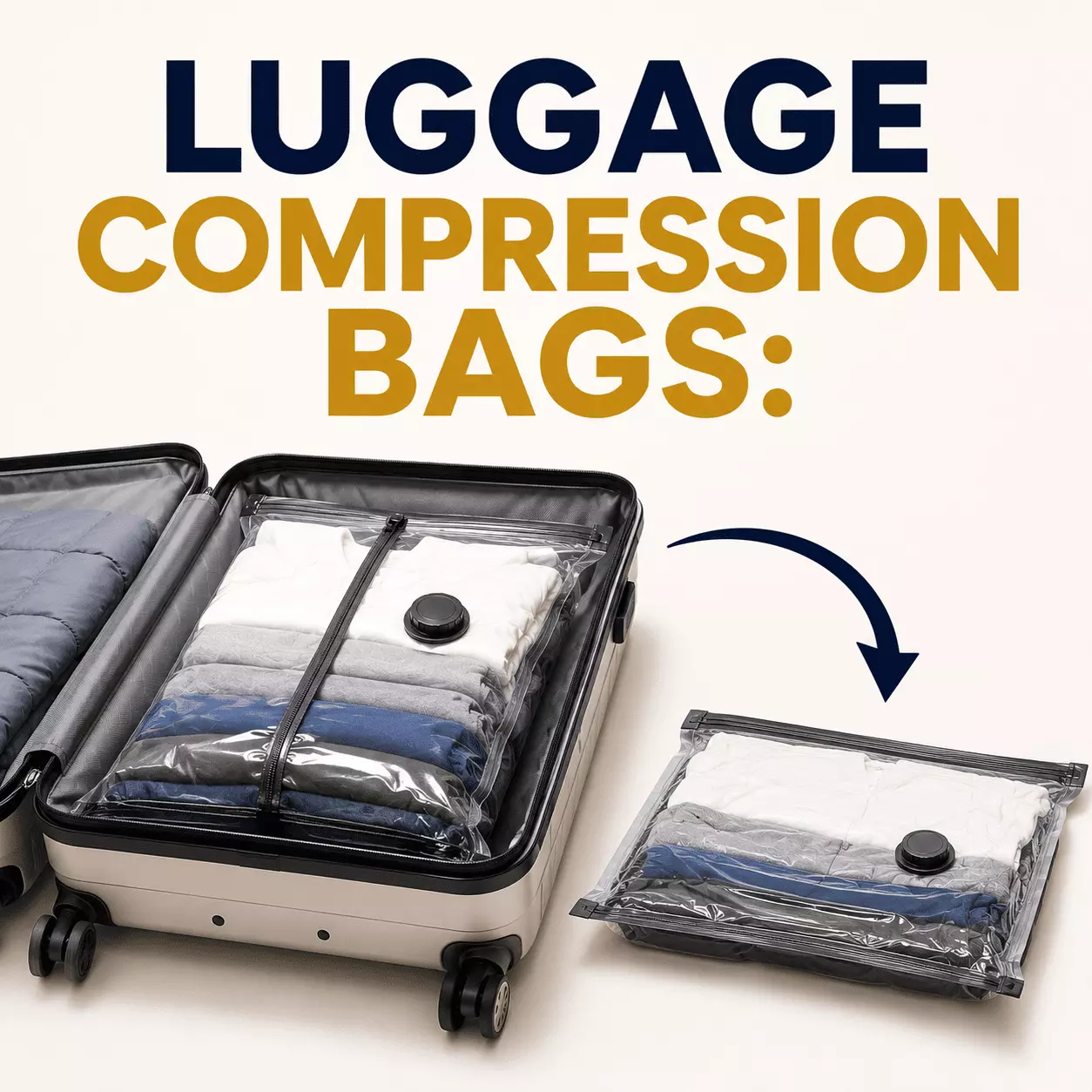
I started using them after one messy carry-on trip through Europe. My jacket alone ate half the bag. Below, I walk you through how they work, what to pack, and the honest downsides. By the end, you will know if they fit your travel style.
What Are Compression Bags and How Do They Work?
These are airtight bags that trap your clothes and force the air out. Once the air leaves, the clothes go flat and compact. You then slide the flat bag into your suitcase or backpack. It is one of the fastest ways to free up room.
The magic sits in two parts. The material has to hold air in, and the seal has to lock tight. Cheap plastic leaks and puffs back up within hours. A good bag stays flat for days.
| Topic | Key Takeaway |
|---|---|
| What they do | Remove trapped air so clothes lie flat. |
| Space saved | Up to about 60% on bulky items. |
| Two types | Manual roll bags and pump vacuum bags. |
| Pack these | T-shirts, knitwear, puffy coats, activewear. |
| Skip these | Dress shirts, stiff denim, shoes, electronics. |
| Main downside | Wrinkles and the temptation to exceed airline weight limits. |
| Vs cubes | Vacuum bags save space, while packing cubes improve organization. Using both provides the best results. |
| Material | TPU retains air better and lasts longer than inexpensive PVC. |
| Best use | Maximizing carry-on space rather than reducing luggage weight. |
| Fill level | Fill the bag to around 80% for an effective airtight seal. |
The Two Main Types
Not every bag works the same way. Some use your body weight, some use a pump. Pick the type that matches your trip and your patience.
Best Leather Luggage Bags: A Traveler’s Buying Guide
Samsonite Luggage Bags: A Complete Buyer’s Guide
Luggage Duffel Bags: The Complete Guide for Travelers
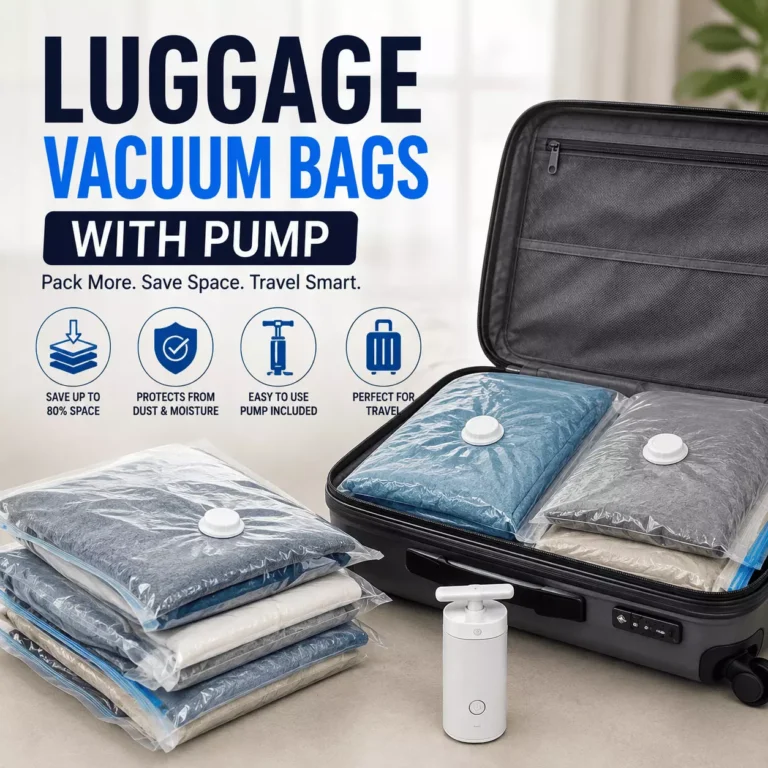
Luggage Vacuum Bags With Pump: Pack Smarter and Save Space
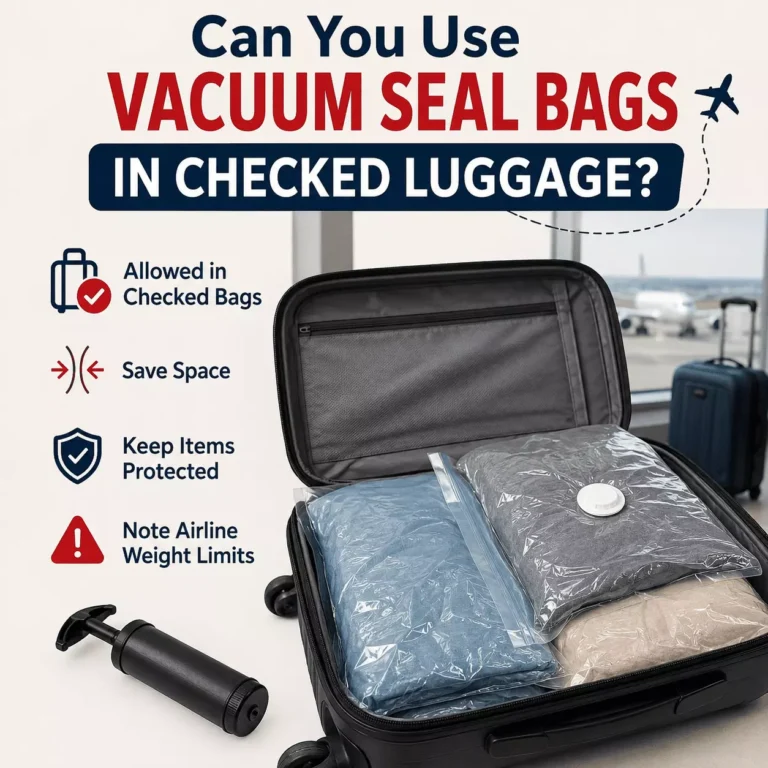
Can You Use Vacuum-Seal Bags in Checked Luggage? A Full Guide
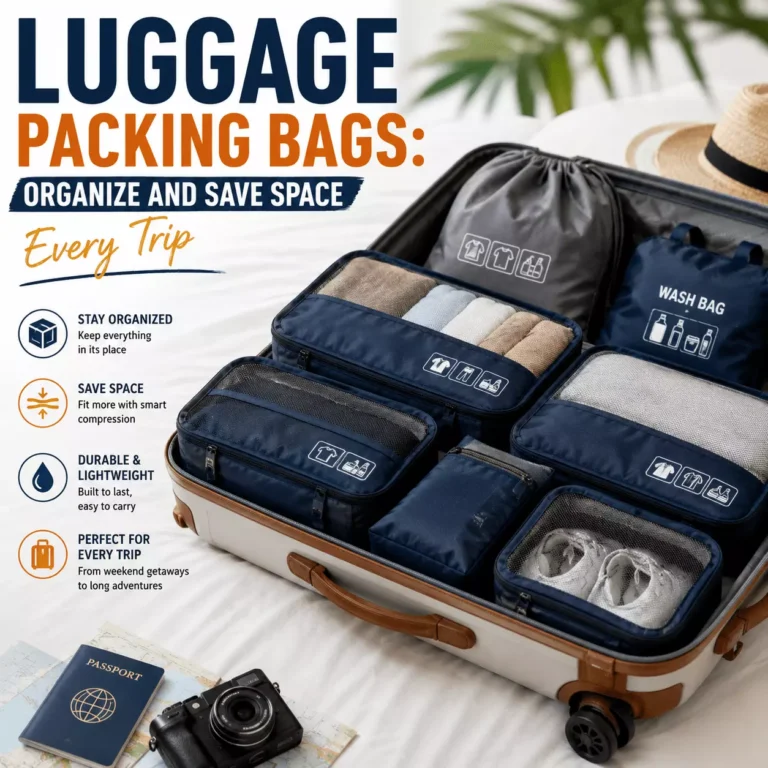
Luggage Packing Bags: Organize and Save Space Every Trip
Waterproof Motorcycle Luggage Rack Bags: A Rider’s Guide
T-Bags Motorcycle Luggage: The Rider’s Complete Guide
Types of Luggage Bags: Which One Is Right for You?
Large Luggage Bags: The Complete Guide to Big Travel Bags
Manual Roll Bags (No Pump)
These use a zip seal and a one-way valve. You fold your clothes, seal the top, then roll the bag. As you roll, air escapes through the valve but cannot get back in. It helps to kneel on the bag and use your weight.
The upside is simple. You need no power, no pump, nothing extra. Compression bags for carry-on luggage in this style are cheap and light. They shine when you just want to fit one bulky item.
Vacuum Bags With a Pump
Valve-style bags compress more and skip the rolling. You seal the bag, attach a small pump, and suck the air out in seconds. Many kits include a compact USB pump that charges off a power bank. Luggage compression bags with pump options give tighter, more even results.
The trade-off is the extra gadget to carry and charge. Still, the pump saves your knees and your back. Luggage vacuum compression bags work great for coats, sweaters, and bedding. They also pull air out more fully than rolling by hand.
Best Leather Luggage Bags: A Traveler’s Buying Guide
Samsonite Luggage Bags: A Complete Buyer’s Guide
Luggage Duffel Bags: The Complete Guide for Travelers
Luggage Vacuum Bags With Pump: Pack Smarter and Save Space
Can You Use Vacuum-Seal Bags in Checked Luggage? A Full Guide
Luggage Packing Bags: Organize and Save Space Every Trip
Waterproof Motorcycle Luggage Rack Bags: A Rider’s Guide
T-Bags Motorcycle Luggage: The Rider’s Complete Guide
Types of Luggage Bags: Which One Is Right for You?
Large Luggage Bags: The Complete Guide to Big Travel Bags
What to Pack (and What to Skip)
Compression only helps with soft, squishy stuff. Bulky items give you the biggest win. A puffy coat that fills half a suitcase can shrink to the size of a water bottle. That is where these bags earn their keep.
Here is what packs well and what does not:
| ✅ Pack These | ❌ Skip These |
|---|---|
| T-shirts and tops | Dress shirts and blazers |
| Knitwear and sweaters | Stiff denim (barely shrinks) |
| Activewear and underwear | Down jackets for long-term storage |
| Puffy jackets for travel days | Electronics, shoes, toiletries |
Stiff fabrics barely shrink, so they waste the effort. Structured dress clothes come out badly creased. Also, do not leave the down gear compressed for weeks, since the feathers lose their loft.
How to Use Them Step by Step
Good technique makes a big difference. Rushing it leaves air inside and wastes space. Follow these steps for a clean, flat result every time.
First, fold or roll your clothes so they lie flat. Group similar items, like all tops in one bag and bottoms in another. Load them in without overstuffing, and leave a little room near the zipper. That gap helps the seal lock fully.
Best Leather Luggage Bags: A Traveler’s Buying Guide
Samsonite Luggage Bags: A Complete Buyer’s Guide
Luggage Duffel Bags: The Complete Guide for Travelers
Luggage Vacuum Bags With Pump: Pack Smarter and Save Space
Can You Use Vacuum-Seal Bags in Checked Luggage? A Full Guide
Luggage Packing Bags: Organize and Save Space Every Trip
Waterproof Motorcycle Luggage Rack Bags: A Rider’s Guide
T-Bags Motorcycle Luggage: The Rider’s Complete Guide
Types of Luggage Bags: Which One Is Right for You?
Large Luggage Bags: The Complete Guide to Big Travel Bags
Next, close the zip and run your fingers along it end to end. Then roll the bag or attach the pump to pull the air out. Lay the flat bags in your suitcase and stack them like thin panels. This keeps everything stable and neat.
Compression Bags vs Packing Cubes
People often mix these two up, but they do different jobs. Packing cubes organize your clothes into neat sections. They keep your bag tidy but do not shrink much. Compression bags for luggage focus on squeezing out air to save space.
Here is the simple split:
| Feature | Compression Bags | Packing Cubes |
|---|---|---|
| Main job | Save space | Organize |
| Shrinks bulk | Yes | A little |
| Wrinkles | More | Fewer |
| Best for | Coats, bulky loads | Daily sorting |
Many travellers use both together and get the best of each. Cubes hold your accessories and daily outfits. Compression bags handle the bulky jackets and dirty laundry. That combo works well for longer trips.
Best Leather Luggage Bags: A Traveler’s Buying Guide
Samsonite Luggage Bags: A Complete Buyer’s Guide
Luggage Duffel Bags: The Complete Guide for Travelers
Luggage Vacuum Bags With Pump: Pack Smarter and Save Space
Can You Use Vacuum-Seal Bags in Checked Luggage? A Full Guide
Luggage Packing Bags: Organize and Save Space Every Trip
Waterproof Motorcycle Luggage Rack Bags: A Rider’s Guide
T-Bags Motorcycle Luggage: The Rider’s Complete Guide
Types of Luggage Bags: Which One Is Right for You?
Large Luggage Bags: The Complete Guide to Big Travel Bags
Pros and Cons (Honest Look)
These bags are handy, but they are not magic. I have seen both sides on real trips. Here is the fair picture before you buy.
On the plus side, you gain serious space. The airtight seal also blocks dust and moisture, so clothes stay clean and dry. You can seal worn clothes away from fresh ones, which keeps odours from spreading. That is a real perk on long trips with no laundry.
Now the downsides. Soft clothes come out wrinkled, so pack a wrinkle spray or plan to iron. There is also a sneaky weight trap. More space tempts you to pack more, and a heavier bag can blow past airline weight limits.
How to Choose a Good One
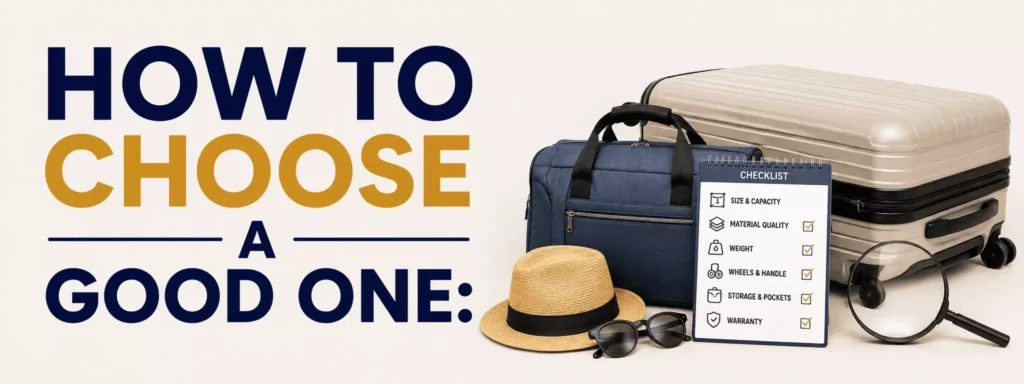
Quality decides whether these bags help or frustrate you. Cheap ones leak and tear under pressure. A weak seal lets air creep back in overnight. Spend a bit more, and the bag lasts many trips.
Watch the material first. TPU-laminated bags hold air far better than thin PVC. Look for double zippers and a strong valve, too. The best luggage compression bags pair tough fabric with a tight, waterproof seal.
Size and count matter as well. Small bags suit socks and underwear; large ones hold coats and towels. A variety pack covers most trips. Compression luggage bags with a matching pump give you the tightest squeeze if you want it.
Quick Tips to Pack Smarter
A few habits keep these bags working for you. Do not overfill them, since a stuffed bag will not seal or shrink well. Aim for around 80% full and lay items flat. This gives the cleanest compression.
Best Leather Luggage Bags: A Traveler’s Buying Guide
Samsonite Luggage Bags: A Complete Buyer’s Guide
Luggage Duffel Bags: The Complete Guide for Travelers
Luggage Vacuum Bags With Pump: Pack Smarter and Save Space
Can You Use Vacuum-Seal Bags in Checked Luggage? A Full Guide
Luggage Packing Bags: Organize and Save Space Every Trip
Waterproof Motorcycle Luggage Rack Bags: A Rider’s Guide
T-Bags Motorcycle Luggage: The Rider’s Complete Guide
Types of Luggage Bags: Which One Is Right for You?
Large Luggage Bags: The Complete Guide to Big Travel Bags
Keep weight in mind the whole time. These bags save room, not pounds, so a full load still gets heavy. They help most when your carry-on size is the limit, not the weight. The best luggage vacuum compression bags still cannot beat the scale, so pack with both space and weight in mind.
Frequently Asked Questions
Do compression bags really work?
Yes, they can save around 60% of space on bulky clothes. They shine for puffy jackets, sweaters, and carry-on packing. Just know that stiff or structured items barely shrink.
Do compression bags make clothes wrinkled?
Soft casual clothes like t-shirts usually come out fine. Structured pieces, such as dress shirts and slacks, wrinkle more. Pack a wrinkle spray or plan to steam on arrival.
Do I need a vacuum cleaner to use them?
No, roll-style bags let you push air out by hand or knee. Vacuum types often include a small USB pump instead. Both work well without a household vacuum.
Will compression bags make my luggage overweight?
They save space, not weight, so this is a real risk. The extra room tempts you to pack more and tip the scale. Weigh your bag before you fly to stay safe.
Are compression bags or packing cubes better?
Cubes organise your clothes, while compression bags shrink bulk. Neither is strictly better, since they solve different problems. Many travellers pack both and split the jobs.
Can I leave clothes compressed for a long time?
For a trip, it is fine, but avoid long-term storage of down. Compressed feathers lose their loft over weeks. Casual fabrics handle longer compression better.
How do I choose the best compression bags for travel?
Look for TPU material, double zippers, and a tight valve. Buy a variety of sizes for different items. A pump helps if you want the flattest, most even squeeze.
Explore All 14 Travel Essentials Categories
- Luggage & Bags
- Packing Organisation & Cubes
- Travel Tech & Electronics
- Toiletries & Travel-Size
- Travel Comfort
- Travel Safety & Security
- Packing Lists by Trip Type
- Packing Lists by Destination
- Travel Documents & Money
- Travel Clothing & Footwear
- Health, Hygiene & First-Aid
- Airport, Airline & Rules
- Essentials Guide
- Essentials for Women, Men & Family