

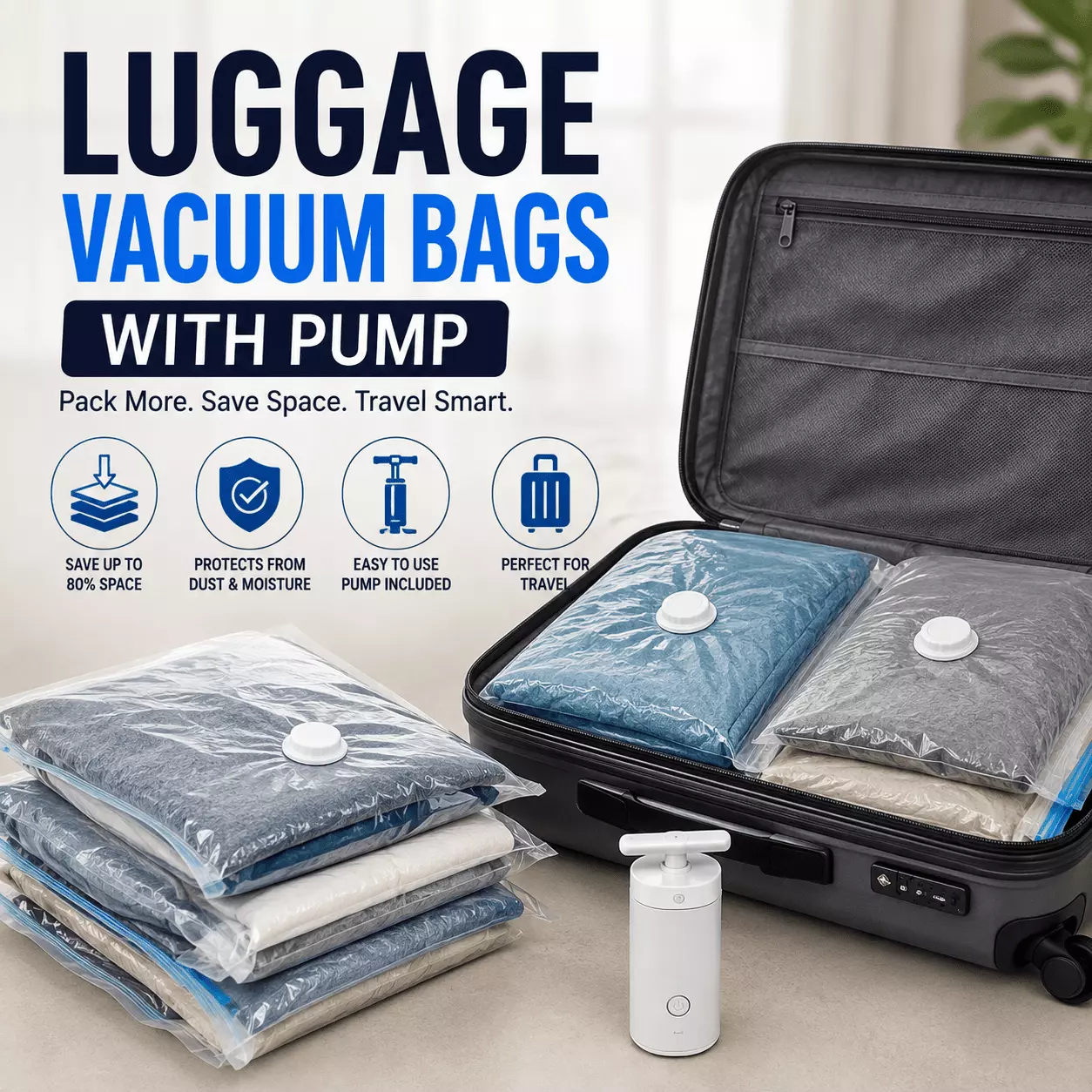
I have packed with pump kits on many trips, from quick hops to long hauls. That taught me which specs matter and which are just hype. Below, I cover how they work, what to look for, and the best picks. By the end, you will know exactly which set to buy.
How Do They Work?
The idea is simple once you see it in action. You pack clothes into an airtight bag and seal the top. Then you attach a small pump to the valve and press one button. The pump pulls the air out, and the clothes flatten fast.
Three parts make the seal hold for days. A one-way valve lets air out but not back in. A double zipper locks the top so nothing leaks. Together, vacuum luggage bags with pump kits keep your gear compressed the whole trip.
Quick Facts
| Topic | Key Takeaway |
|---|---|
| What They Are | Airtight vacuum storage bags paired with a compact air pump to compress clothing and maximize luggage space. |
| Space Saved | Can reduce the volume of bulky clothing by up to 80%, depending on the fabric and bag quality. |
| Pump Speed | Most portable electric pumps compress a bag in approximately 3–15 seconds. |
| Pump Types | Available as cordless USB-C rechargeable, plug-in DC, and wireless rechargeable models. |
| Key Specifications | Look for around 4000Pa suction power and a 1500mAh rechargeable battery for reliable travel performance. |
| Bag Material | Multi-layer PA + PE bags are generally more durable and can last up to three times longer than standard PVC bags. |
| Sealing System | A double-zipper closure combined with a triple-seal valve helps prevent air leaks. |
| TSA Rules | Vacuum bags and portable pumps are generally allowed for air travel. Keeping the pump in your carry-on bag makes security inspections easier. |
| Weight | Vacuum bags save space only; they do not reduce the actual weight of your luggage. |
| Top Brands | Popular options include Vacbird, BAGSMART, SpaceAid, and Ekster. |
Electric Pump vs Manual vs Vacuum Cleaner
You have three ways to pull the air out. An electric pump is fast, doing a bag in 3 to 15 seconds. A manual roll works anywhere but is slow and tiring. A household vacuum cleaner works at home only, not on the road.
Best Leather Luggage Bags: A Traveler’s Buying Guide
Samsonite Luggage Bags: A Complete Buyer’s Guide
Luggage Duffel Bags: The Complete Guide for Travelers
Can You Use Vacuum-Seal Bags in Checked Luggage? A Full Guide
Luggage Packing Bags: Organize and Save Space Every Trip
Waterproof Motorcycle Luggage Rack Bags: A Rider’s Guide
T-Bags Motorcycle Luggage: The Rider’s Complete Guide
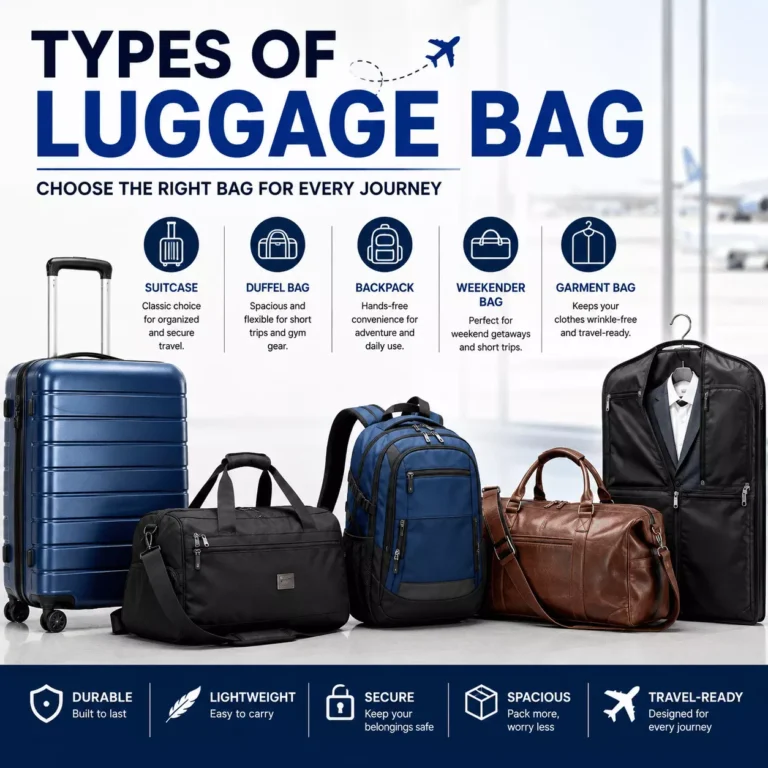
Types of Luggage Bags: Which One Is Right for You?
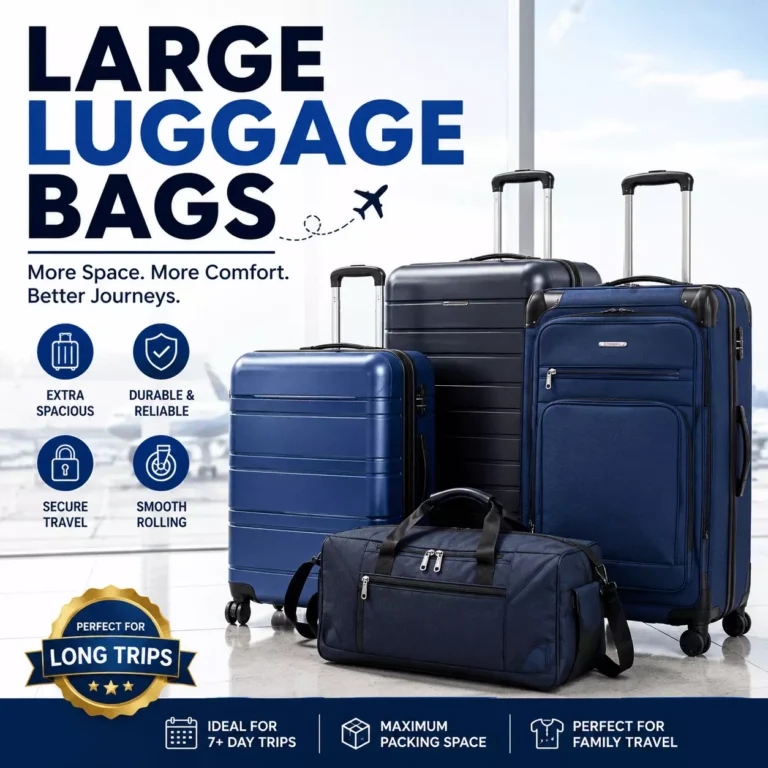
Large Luggage Bags: The Complete Guide to Big Travel Bags
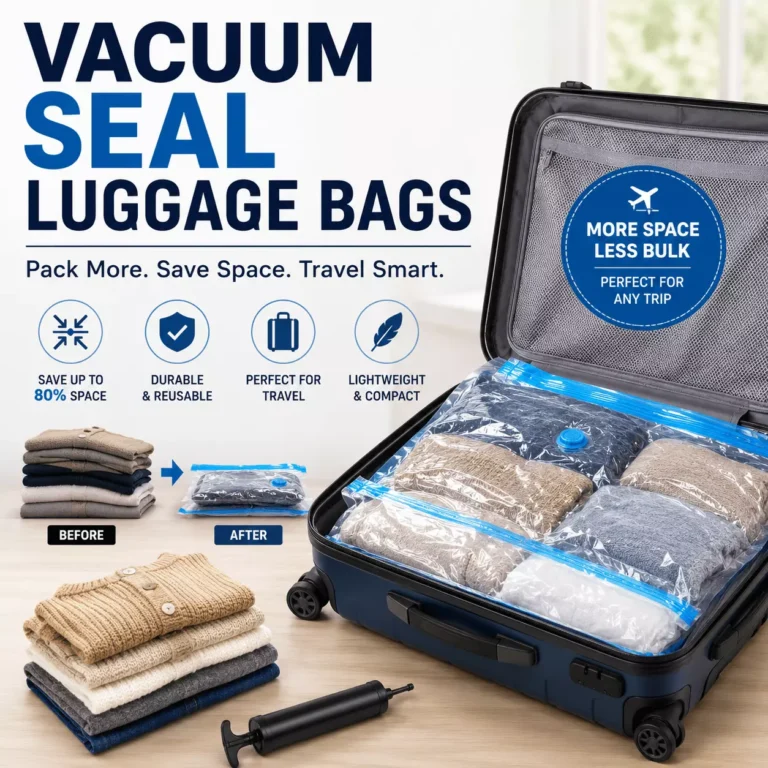
Vacuum Seal Luggage Bags: How to Pack More and Fly Smart
Here is the quick comparison:
| Method | Typical Speed | Best For |
|---|---|---|
| Electric Pump | 3–15 seconds | Fast, convenient compression while traveling or packing on the go. |
| Manual Roll | 2–3 minutes | Travel situations where no electricity is available and a pump isn’t needed. |
| Vacuum Cleaner | Fast (typically under 30 seconds) | Home packing before a trip for maximum air removal and space savings. |
The electric pump wins for most travelers today. It saves real time and effort on a full set. The only trade-offs are a little weight and the need to charge it.
Best Leather Luggage Bags: A Traveler’s Buying Guide
Samsonite Luggage Bags: A Complete Buyer’s Guide
Luggage Duffel Bags: The Complete Guide for Travelers
Can You Use Vacuum-Seal Bags in Checked Luggage? A Full Guide
Luggage Packing Bags: Organize and Save Space Every Trip
Waterproof Motorcycle Luggage Rack Bags: A Rider’s Guide
T-Bags Motorcycle Luggage: The Rider’s Complete Guide
Types of Luggage Bags: Which One Is Right for You?
Large Luggage Bags: The Complete Guide to Big Travel Bags
Vacuum Seal Luggage Bags: How to Pack More and Fly Smart
Types of Pumps
Not every pump works the same way. Each style suits a different traveler. I walk through the main ones below so you can match one to your trips.
Cordless Rechargeable Pumps
These are the most popular picks for travel. They charge over USB-C and run off a built-in battery. A palm-sized unit slips into any bag or backpack. You can compress anywhere, from home to the hotel to airport security.
Plug-In DC Pumps
A plug-in pump draws steady power from any outlet. It never runs out of charge mid-session. That makes it great for packing a big load at home. The catch is you need an outlet nearby to use it.
Wireless Palm-Sized Pumps
The newest units are tiny and fully wireless. Vacuum bags for travel luggage with wireless pump kits often flatten a bag in just 3 seconds. They pack light and charge fast over Type-C. Their small size makes them easy to carry on every trip.
Key Specs to Check on the Pump
The pump is the heart of the kit, so read its specs. Suction power comes first, measured in Pa or kPa. A strong unit hits around 4000Pa for a tight, even squeeze. Higher airflow, like 12L per minute, fills and empties bags faster.
Best Leather Luggage Bags: A Traveler’s Buying Guide
Samsonite Luggage Bags: A Complete Buyer’s Guide
Luggage Duffel Bags: The Complete Guide for Travelers
Can You Use Vacuum-Seal Bags in Checked Luggage? A Full Guide
Luggage Packing Bags: Organize and Save Space Every Trip
Waterproof Motorcycle Luggage Rack Bags: A Rider’s Guide
T-Bags Motorcycle Luggage: The Rider’s Complete Guide
Types of Luggage Bags: Which One Is Right for You?
Large Luggage Bags: The Complete Guide to Big Travel Bags
Vacuum Seal Luggage Bags: How to Pack More and Fly Smart
Battery life decides how far a charge goes. Look for a 1500 to 1800mAh battery for the most uses. Good pumps handle 40 to 90 bags on a single charge. A USB-C port and fast charge time keep you ready to go.
A few extras make packing easier. A hands-free suction port that grips the valve saves your hand from fatigue. A lightweight, palm-sized build adds almost no weight. Some kits even show a battery light so you never get caught empty.
Bag Features That Matter
The bag matters as much as the pump. Material comes first, since it faces constant compression. Thick PA and PE bags last around three times longer than plain PVC. That extra strength survives six to eight trips instead of one or two.
Sealing is the next thing to check. A double zipper plus a triple-seal valve holds compression for over 40 hours. Cheap single-seal bags often lose air overnight. That difference matters most when TSA opens a bag to inspect it.
A few more touches help day to day. Semi-transparent bags let you spot items without digging. A sealing clip gives an airtight, even finish. Tear-resistant fabric protects your gear from moisture and dust.
Sizes and Set Sizes
Most kits come in three travel-friendly sizes. Small suits, shirts, and underwear; large holds coats and bedding. The sizes are shaped to fit carry-ons and checked bags. That helps you organize and stack them neatly.
Set sizes range from small kits to big bundles. A 6-pack suits a light packer or a short trip. A 15 or 18-pack covers a family or a long journey. Pick a set that matches how much you usually pack.
Buying a set beats buying one at a time for most people. The mixed sizes let you sort by clothing type. You can leave the big bags at home for a quick weekend. That flexibility makes one kit work for many trips.
Best Leather Luggage Bags: A Traveler’s Buying Guide
Samsonite Luggage Bags: A Complete Buyer’s Guide
Luggage Duffel Bags: The Complete Guide for Travelers
Can You Use Vacuum-Seal Bags in Checked Luggage? A Full Guide
Luggage Packing Bags: Organize and Save Space Every Trip
Waterproof Motorcycle Luggage Rack Bags: A Rider’s Guide
T-Bags Motorcycle Luggage: The Rider’s Complete Guide
Types of Luggage Bags: Which One Is Right for You?
Large Luggage Bags: The Complete Guide to Big Travel Bags
Vacuum Seal Luggage Bags: How to Pack More and Fly Smart
How to Use Them Step by Step
Good technique makes these kits shine. Fold each piece flat and stack them in even layers. Load the bag under the fill line, since overstuffing breaks the seal. Leave a little room near the zipper for a clean lock.
Next comes the easy part with the pump. Seal the double zipper and run your fingers along it. Attach the pump to the valve and press the button. Lay the flat bag in your suitcase like a thin panel.
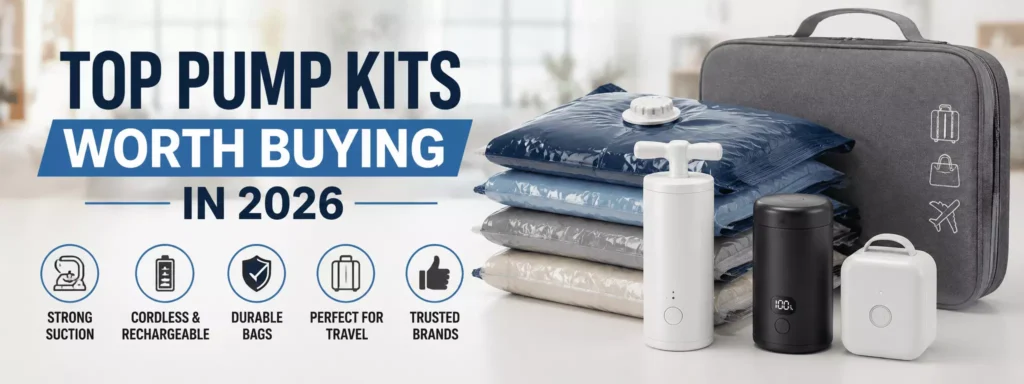
Top Pump Kits Worth Buying in 2026
Several trusted names lead this category in 2026. Vacbird pairs 4000Pa suction with a 1500mAh cordless pump. BAGSMART offers strong Type-C pumps with tear-resistant bags. SpaceAid uses thick PA and PE bags with a rechargeable pump.
Premium and value picks round out the field. Ekster’s TravelPack uses anti-rip nylon and a mini USB-C pump. ZPO and Cosy Essential deliver fast wireless suction at a fair price. The best luggage vacuum bags with a pump pair strong suction with a durable, well-sealed bag.
Check a few things before you buy any set. Read owner reviews for seal and pump reliability. Match the bag sizes to your usual trips. A two-year warranty is a good sign of a durable build.
TSA and Travel Tips
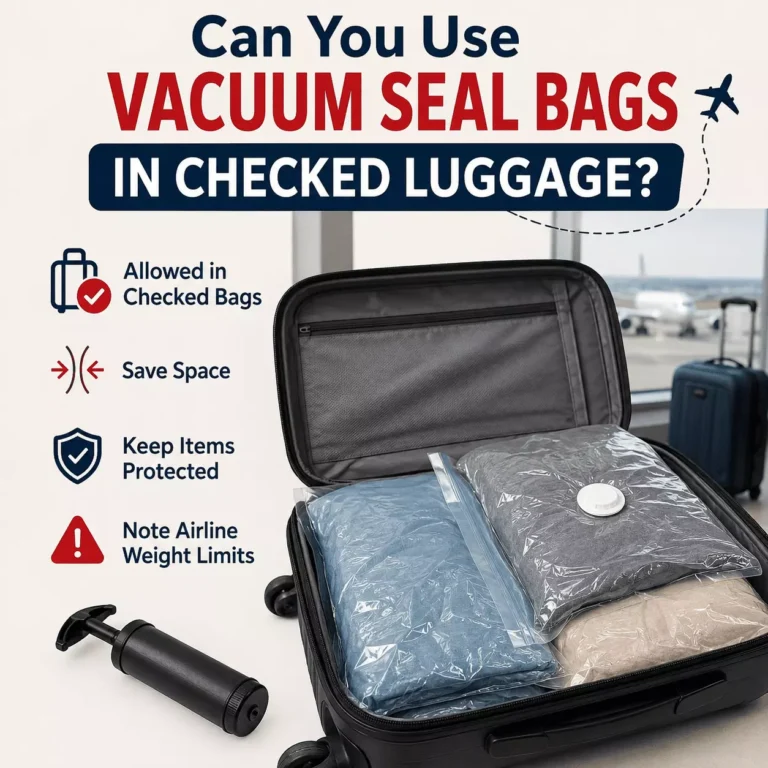
These kits are travel-friendly, but a few rules apply. The TSA allows vacuum bags in checked and carry-on luggage. Keep any pump with a lithium battery in your carry-on. Pack a power bank so you can recharge a bag anywhere.
Smart habits keep security and packing smooth. Remember that luggage compression bags with pump kits save space, not weight. Use a luggage scale, since a full bag still gets heavy. Choose clear bags and avoid overstuffing so officers can screen fast.
Best Leather Luggage Bags: A Traveler’s Buying Guide
Samsonite Luggage Bags: A Complete Buyer’s Guide
Luggage Duffel Bags: The Complete Guide for Travelers
Can You Use Vacuum-Seal Bags in Checked Luggage? A Full Guide
Luggage Packing Bags: Organize and Save Space Every Trip
Waterproof Motorcycle Luggage Rack Bags: A Rider’s Guide
T-Bags Motorcycle Luggage: The Rider’s Complete Guide
Types of Luggage Bags: Which One Is Right for You?
Large Luggage Bags: The Complete Guide to Big Travel Bags
Vacuum Seal Luggage Bags: How to Pack More and Fly Smart
Pros and Cons (Honest Look)
These kits are handy, but they are not perfect. I have seen both sides on real trips. Here is the fair picture before you buy.
On the plus side, you gain fast, serious space savings. A pump flattens a full set in under three minutes. The airtight seal also blocks water, dust, and odor. Reusable bags make the kit a good long-term value.
Now the downsides. The pump adds a little weight and needs charging. They save space, not pounds, so watch the scale. Cheap bags can tear or leak, so quality really matters here.
Frequently Asked Questions
How much space do vacuum bags with a pump save?
They can shrink bulky clothes by up to 80 per cent. A pump does each bag in 10 to 15 seconds. That frees up real room for coats and sweaters.
Are electric pumps better than hand pumps?
Electric pumps are faster and need far less effort. Hand pumps cost less and work without power. Frequent travelers usually prefer the speed of an electric pump.
Do vacuum bags with a pump reduce weight?
No, they save space but not weight. Your clothes weigh the same once air is gone. Always weigh your bag, since it is easy to overpack.
Can I take the pump on a plane?
Yes, but keep a pump with a lithium battery in your carry-on. Battery devices are not allowed in checked bags. Pack a power bank so you can recharge anywhere.
How long does the pump battery last?
Most pumps handle 40 to 90 compressions per charge. A 1500 to 1800mAh battery lasts multiple trips. Recharge over USB-C before you travel.
What material should the bags be?
Look for thick PA and PE, which last about three times longer than PVC. It resists tears and holds compression better. A double zipper and triple-seal valve help too.
Do the bags stay sealed during a flight?
Quality bags hold compression for well over 40 hours. Cheap single-seal bags may leak, especially with pressure changes. A strong valve and double zipper keep them flat.
Explore All 14 Travel Essentials Categories
- Luggage & Bags
- Packing Organisation & Cubes
- Travel Tech & Electronics
- Toiletries & Travel-Size
- Travel Comfort
- Travel Safety & Security
- Packing Lists by Trip Type
- Packing Lists by Destination
- Travel Documents & Money
- Travel Clothing & Footwear
- Health, Hygiene & First-Aid
- Airport, Airline & Rules
- Essentials Guide
- Essentials for Women, Men & Family