

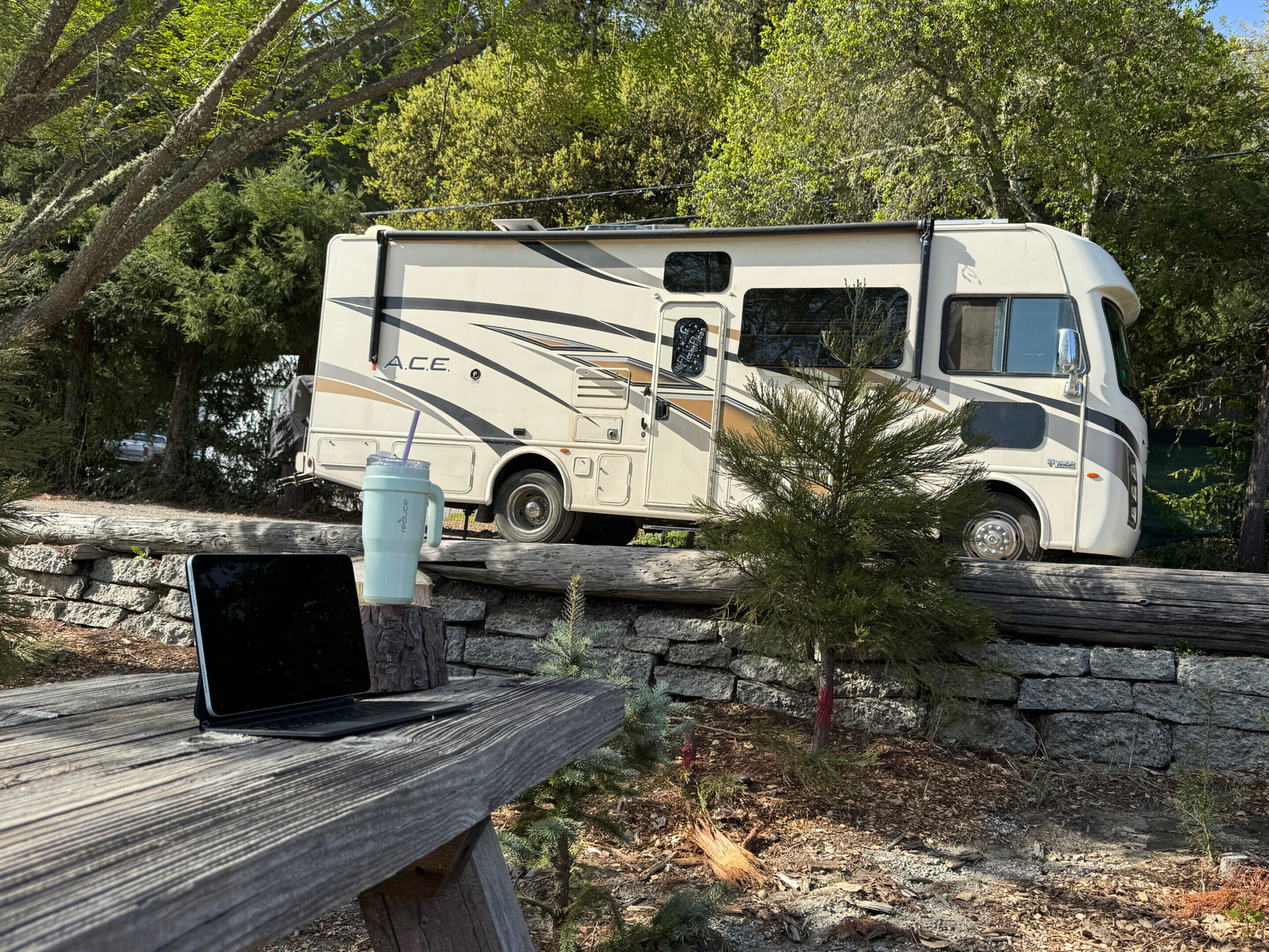
I once hit the road without leveling blocks and slept on a slant all weekend. Never again. Let me walk you through exactly what to bring below.
Quick Facts
| Topic | Quick Answer |
| Definition | A checklist of gear, kitchen, bedding, safety, and clothing for RV travel |
| Top categories | Hookups, tools, kitchen, bedding, clothing, tech, outdoor |
| Most forgotten item | Sewer hose, leveling blocks, and surge protector |
| Kitchen tip | Nesting cookware and bins save tight space |
| Clothing rule | Pack layers grouped by activity |
| Power priority | Power banks, cords, and offline maps for off-grid |
| By trip length | Weekend needs gear plus outfits; longer adds laundry |
| Pets | Food, dishes, leash, and vaccination records |
| Common mistake | Overpacking and unbalanced weight |
What to Pack for an RV Trip
Start with the systems that keep your rig running and comfy. These cover you from hookup to campfire.
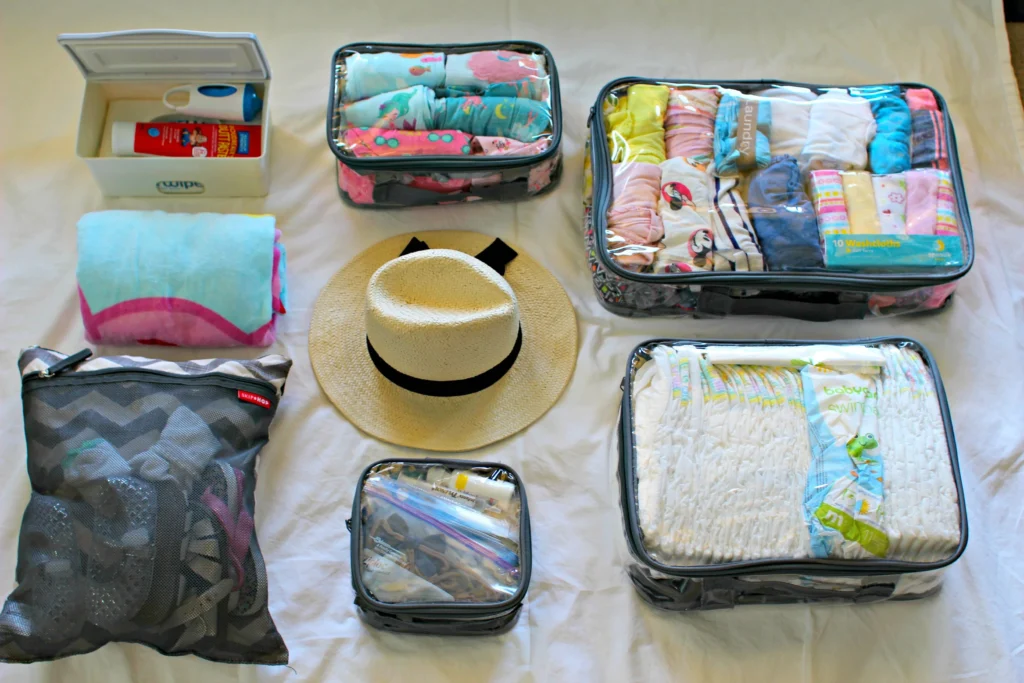
Bring your hookup gear, tools, and a safety kit first. Stock the kitchen, bedding, and bathroom basics next. Add layered clothing, tech, and campsite comfort items. A few smart bins keep it all organized while driving.
The exact picks shift by season and trip length. A weekend needs less than a month on the road. Still, a solid core stays the same every time.
RV Setup and Hookup Gear
This gear connects your rig to power, water, and waste. Skip an item and the setup grinds to a halt.
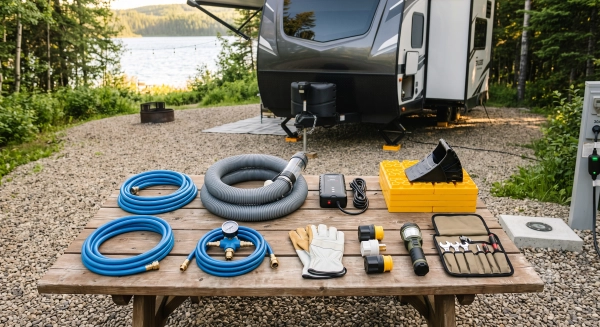
Pack a sewer hose, a fresh-water hose, and a surge protector. Add leveling blocks and wheel chocks for a stable, safe park. Bring electrical adapters for different campground outlets. A water pressure regulator protects your plumbing.
| Item | Why It Matters |
| Sewer and fresh-water hoses | Core hookups at every campsite |
| Surge protector | Guards your rig from power spikes |
| Leveling blocks and wheel chocks | A level, stable park |
| Electrical adapters | Outlets vary by campground |
A quick pre-trip check saves major headaches. Test your fluids, tires, and lights before you leave. Confirm your propane is topped up for cooking and heat. A short walkaround catches loose items and open vents.
Tools and Safety Kit
Mechanical trouble can end a trip early. A basic kit keeps you rolling to the next stop.
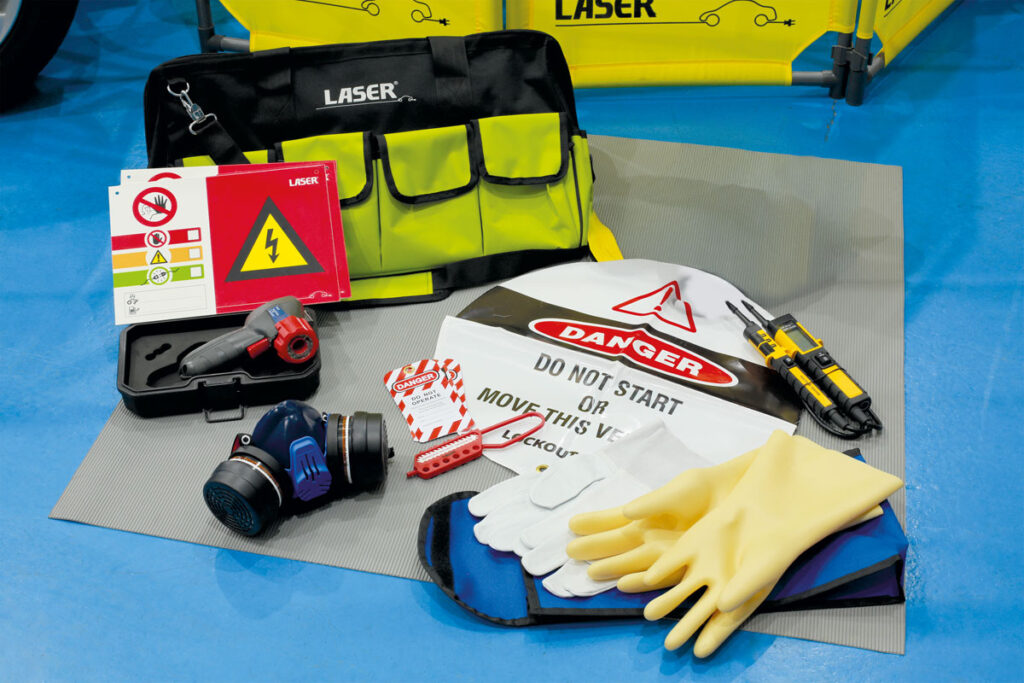
Pack a hammer, screwdriver, duct tape, and jumper cables. Add a tire pressure gauge, roof sealant, and extra fuses. Keep a first-aid kit and a fire extinguisher onboard. A roadside emergency kit covers the unexpected.
| Item | Why It Matters |
| Basic toolbox | Handles small repairs on the go |
| Tire gauge and fuses | Common quick fixes |
| First-aid kit and extinguisher | Basic safety essentials |
| Roadside kit and flashlights | For breakdowns and dark nights |
RV Kitchen Essentials
Your RV kitchen is smaller than home, so pack smart. Nesting gear saves precious space.
Bring nesting cookware, versatile utensils, and a can opener. A portable grill lets you cook outside and keep the rig cool. A cooler or fridge keeps food fresh on longer trips. Airtight containers block spills and pests.
| Item | Why It Matters |
| Nesting cookware | Stacks neatly in tight space |
| Portable grill or stove | Cook outdoors, keep RV cool |
| Cooler or fridge | Fresh food off-grid |
| Airtight bins and containers | Organized, spill-free storage |
A meal plan saves space and cuts waste. Load your RV fridge with heavy items low and light items high. Never overstuff it, since it needs airflow to cool. A fridge tension bar keeps the door shut while you drive.
Bedding and Bathroom
Good sleep and a clean routine make the trip. Both need a few RV-specific items.
Pack sheets sized for your RV mattress, since they differ from home. Add warm blankets and comfortable pillows. Quick-dry towels take little space and dry fast. A shower caddy helps at campground bathhouses.
| Item | Why It Matters |
| RV-size sheets | Mattresses differ from home sizes |
| Blankets and pillows | Cozy nights, especially when chilly |
| Quick-dry towels | Compact and fast-drying |
| Shower caddy and toiletries | For shared campground showers |
Mattress toppers add real comfort on thin RV beds. Pack a nightlight for dark, unfamiliar bathrooms. Bring extra towels, since a rainy day means slow drying. A small hamper keeps dirty laundry off the floor.
Clothing: Pack in Layers
Weather on the road swings fast. Layers beat overpacking every time.
Pack lightweight base layers, warm mid-layers, and rain gear. Group outfits by activity, like hiking, lounging, and sleeping. Bring sturdy shoes, sandals, and one warm jacket. Soft-sided bags squeeze into tight RV closets.
| Item | Why It Matters |
| Layered clothing | Adapt to changing temperatures |
| Rain gear and warm jacket | Handles surprise weather |
| Sturdy shoes and sandals | Trails and campsite comfort |
| Soft-sided bags | Fit odd RV storage spaces |
Tech, Power and Connectivity
Staying charged and connected has real perks on the road. Plan for outlets that run short.
Pack power banks, extension cords, and extra batteries. Download maps, movies, and playlists before you go offline. Bring flashlights, lanterns, and headlamps for dark nights. A good packing list app helps you track it all.
| Item | Why It Matters |
| Power banks and cords | Outlets are limited off-grid |
| Offline maps and media | No Wi-Fi in remote spots |
| Lanterns and headlamps | Light inside and out |
| Chargers and batteries | Keep devices alive |
A cell signal booster helps in remote campgrounds. A small solar panel tops up your batteries off-grid. Keep a paper map as backup when apps fail. Label your cords so setup and packdown stay quick.
Campsite Comfort and Outdoor Gear
Most of RV life happens outside. A few items make your site feel like home.
An outdoor rug keeps dirt out and defines your space. Camp chairs and a foldable table handle meals and games. LED string lights add ambiance after dark. Keep outdoor gear in one bin near the door.
| Item | Why It Matters |
| Outdoor rug | Keeps dirt outside |
| Camp chairs and table | Meals, games, and lounging |
| String lights or lantern | Ambiance and safety |
| Gear bin by the door | Fast setup at camp |
Do Not Forget Pets
Furry companions need their own gear. Pack for them like any family member.
Bring more than enough pet food and travel dishes. Add a leash, waste bags, and a comfy bed. Keep vaccination records for campground check-ins. A familiar toy keeps them calm on the road.
| Item | Why It Matters |
| Pet food and dishes | Never run short on the road |
| Leash and waste bags | Required at most campgrounds |
| Vaccination records | Some sites ask to see them |
| Bed and a familiar toy | Comfort in a new place |
Pack extra medication and any epi-pens your pet needs. Keep water handy so they stay hydrated on travel days. Never leave a pet in a hot rig unattended. A window shade keeps the cabin cooler at rest stops.
RV Packing by Trip Length
Trip length changes how much you pack, not the core gear. Longer trips just add supplies and a laundry plan.
A weekend fits your setup gear plus a couple of outfits. A week long packing list adds more clothes and a full food plan. A packing list for a week also means packing laundry quarters and detergent. A long trip packing list leans on refills and a bigger pantry.
| Trip Length | Pack For |
| Weekend | Setup gear, a few outfits, simple meals |
| One week | More clothes, full meal plan, laundry supplies |
| Two weeks plus | Refill plan, bigger pantry, extra layers |
| Full-time | Home comforts, backups, seasonal gear |
Smart Packing Tips
Bins are your best friend in an RV. Smart organization keeps a small space livable.
Pack food and kitchen supplies into stackable bins or crates. Distribute weight evenly, with heavy items down low. A basic packing list keeps you from forgetting core gear. Try a packing list maker or a custom packing list to stay organized.
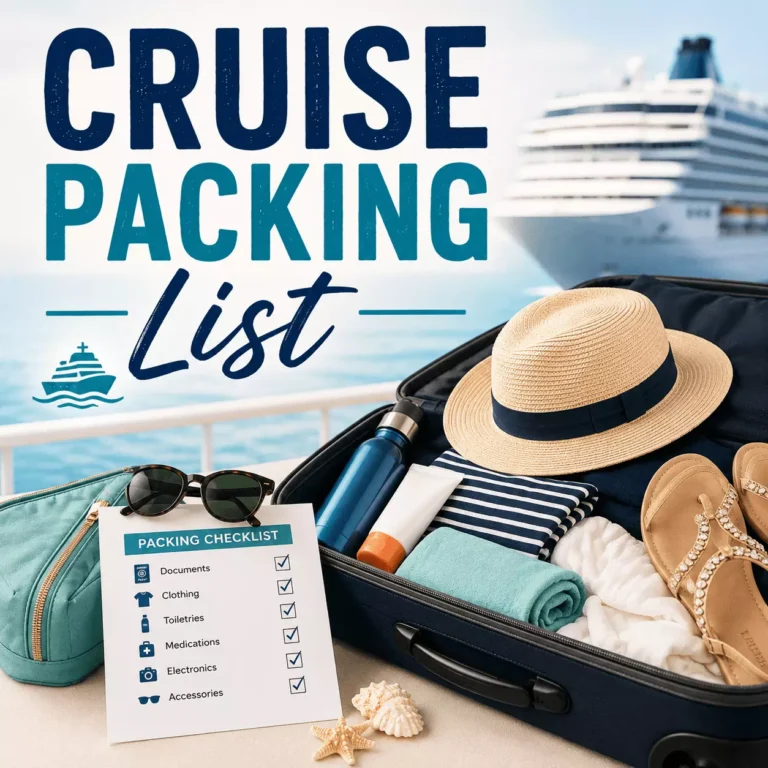
These ideas apply to any trip, not just RVs. The same logic behind a cruise packing list or a disney packing list rewards multi-use items. Whether you plan a packing list for beach vacation or a hawaii packing list, layers and bins still win.
Heading somewhere with big weather swings? An alaska cruise packing list leans on warm layers, while a mexico packing list leans on sun gear. Sailing instead of driving next time? A disney cruise packing list adds formal-night outfits and swimwear.
Packing for the Season
Weather shapes what you load into the rig. Plan around the forecast at your destination.
For summer, pack breathable layers, sun gear, and extra water. For a short trip packing list in shoulder season, add a warm layer for cool nights. A cold weather packing list needs heavy blankets, thermal base layers, and a space heater. Check nighttime temperatures before every trip.
Rain gear belongs in the rig year-round. A retractable clothesline dries wet clothes fast. A travel light packing list still works in winter with smart layering. Pack sturdy, waterproof boots for muddy campsites.
Tips for First-Time RVers
Your first trip has a learning curve. A few habits make it far smoother.
Do a full walkthrough of your rig before you leave. Practice hooking up water, power, and waste at home. An overland packing list mindset helps, since you carry everything with you. Keep documents like your license and registration in one zip bag.
Bins with packing list rolls of labels keep gear sorted and findable. Order missing gear early with an amazon packing list saved in your cart. A work travel packing list style pouch keeps chargers and cables tidy. Start small and add gear as you learn your needs.
What NOT to Overpack
Space is tight, so restraint pays off. Overpacking clutters your rig and adds weight.
Skip duplicate gadgets and rarely used kitchen tools. Leave bulky single-use items at home. Do not pack more clothes than you can wear before laundry. A lighter rig drives better and burns less fuel.
An essential packing list beats a giant one every time. Bring versatile items that pull double duty. Buy bulky consumables near your destination. Review your bins once more before you pull out.
A tidy packing list vacation habit keeps your rig light and calm. Think like a one bag traveler, even with an RV’s extra room. A simple packing list for traveling stops the last-minute panic. Less stuff means less to clean, store, and lose.
Frequently Asked Questions
What do I need to pack for an RV trip?
Pack hookup gear, tools, a safety kit, and kitchen supplies. Add bedding, layered clothing, tech, and campsite comfort items. Adjust the depth for your trip length and season.
What are the most forgotten RV items?
People often forget the sewer hose, leveling blocks, and a surge protector. Wheel chocks, a tire gauge, and extra fuses slip minds too. A checklist stops these costly misses.
What should I keep permanently in my RV?
Keep your hookup gear, toolbox, and safety kit stocked at all times. Add basic kitchen gear and outdoor chairs. Then you only load clothes and food each trip.
How do I organize a small RV space?
Use stackable bins and crates to group items by type. Store heavy things low for balanced weight. Keep an outdoor gear bin near the door for fast setup.
What kitchen items do I need in an RV?
Pack nesting cookware, versatile utensils, and airtight containers. Add a cooler or fridge and a portable grill. Biodegradable soap keeps cleanup campground-friendly.
Do I need a surge protector for my RV?
Yes, a surge protector guards your rig from power spikes at hookups. Campground power can be unreliable. It is cheap insurance against costly electrical damage.
How much water should I bring RVing?
Fill your fresh-water tank before you leave for off-grid trips. Carry a few gallons of drinking water as backup. Bring a hose and pressure regulator for hookups.
⚠️ Important Note
Always check your RV manual, campground hookups, and weather forecast before you travel. Requirements and conditions change by rig, site, and season.
Explore All 14 Travel Essentials Categories
- Luggage & Bags
- Packing Organisation & Cubes
- Travel Tech & Electronics
- Toiletries & Travel-Size
- Travel Comfort
- Travel Safety & Security
- Packing Lists by Trip Type
- Packing Lists by Destination
- Travel Documents & Money
- Travel Clothing & Footwear
- Health, Hygiene & First-Aid
- Airport, Airline & Rules
- Essentials Guide
- Essentials for Women, Men & Family