

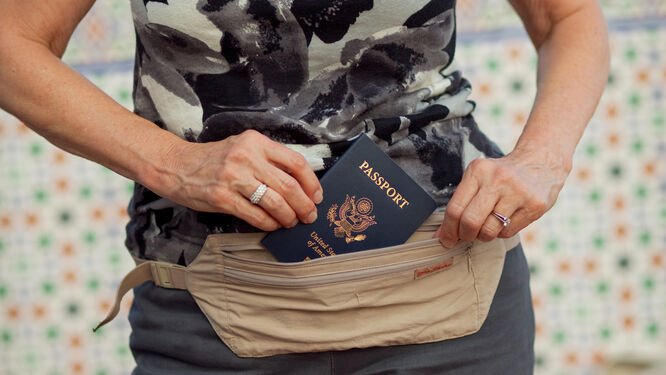
I have worn one through crowded metros in Paris and markets in Bangkok. My valuables never left my body. Let me walk you through how to use one below.
Quick Facts
| Topic | Quick Answer |
| Definition | A slim hidden pouch worn under clothes for valuables |
| What to store | Passport, backup cash, spare card, key info |
| Where to wear | Lower abdomen, below the waistband, under a base layer |
| Best material | Breathable ripstop nylon, ideally antimicrobial |
| Key feature | RFID blocking for digital theft protection |
| For men | Hides under an untucked button-down or polo |
| For women | Conceals under a flowy top or blouse |
| Top mistake | Pulling it out in public or overstuffing it |
| Best use | Emergency deep storage, not daily spending |
What Is It and Why It Matters
So what is a money belt, in plain terms? It is a flat pouch on an adjustable strap. You wear it around your waist, tucked under your shirt. Inside go your most important documents and backup cash.
The name is a little misleading. It is not for daily spending. It is deep storage for the things you cannot afford to lose.
Why Travelers Use One
Peace of mind is the real reason people swear by these pouches. Your valuables stay hidden and hard to reach.
A good money belt for travel keeps your passport and emergency cash safe. It foils pickpockets in busy tourist spots. It frees your mind so you can enjoy the trip. Many seasoned travelers never leave home without one.
Some people even wear two, splitting cash between them. If one is lost, you are not left penniless. This trick works well in higher-risk areas. It is cheap insurance against a ruined trip.
How to Wear It Right
Placement makes or breaks the whole system. Worn wrong, it bulges and draws attention.
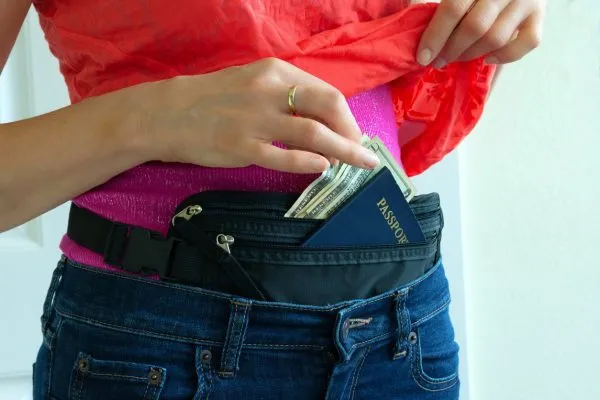
Learning how to wear a money belt starts with position. Set the pouch flat on your lower abdomen, just below your waistband. Center it between your hip bones. Always wear it under a base layer, never against bare skin all day.
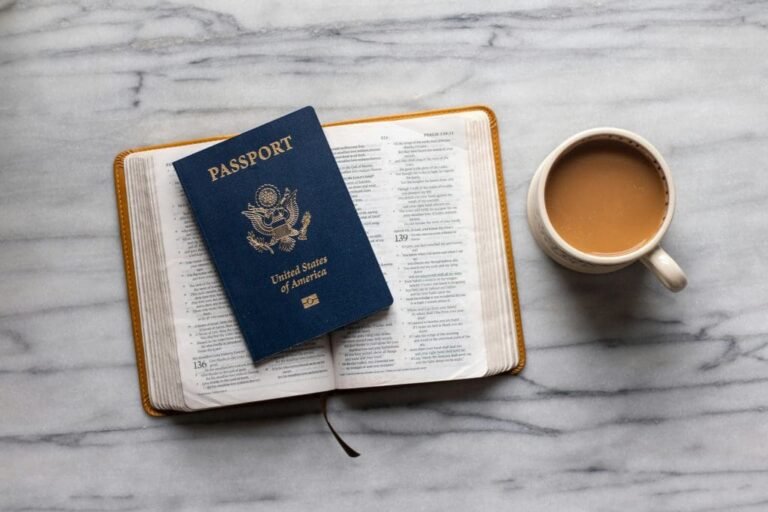
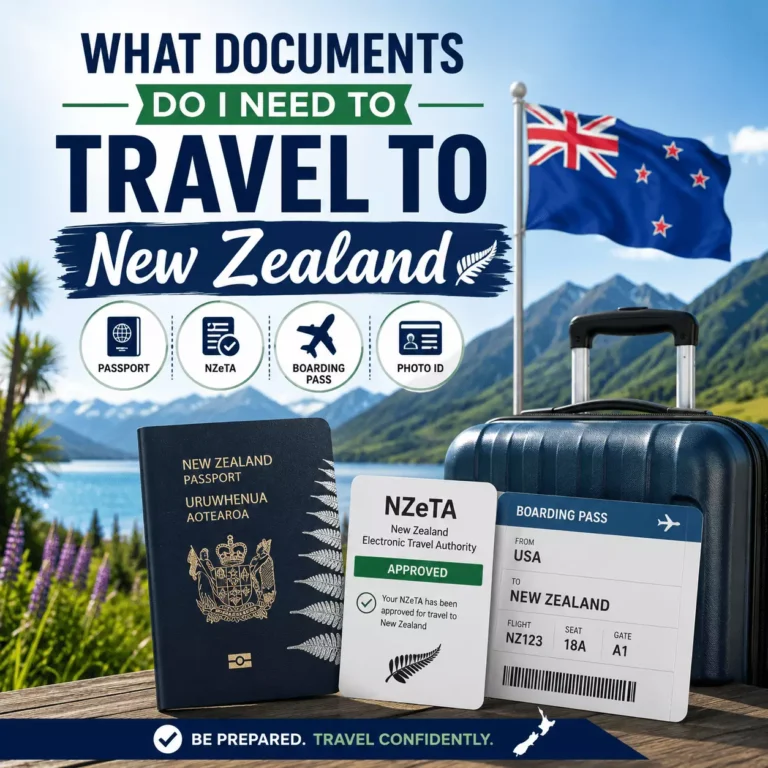
Tuck your shirt in over it for extra cover. Do not let your shirt hang loose. A relaxed-fit top hides it best. Keeping it under clothes this way makes it nearly invisible.
⚠️ Important Note
Always check current entry rules, currency limits, and passport requirements before you travel. Regulations change often and vary by country.
What to Keep In It
This pouch is for emergencies, not daily use. Load it with only the essentials.
Pack your passport, a spare credit card, and emergency cash. Add a note with key info like allergies and contacts. A dedicated passport money belt has a flat compartment made for it. Slip papers into a small baggie to block sweat.
Keep your daily spending money elsewhere. Carry a day’s cash and one card in a front pocket. That way you never dig into it in public. Pulling it out in a crowd tells thieves exactly where it is.
Types of Belts and Pouches
There are more styles than most travelers expect. Each suits a different body type and trip.
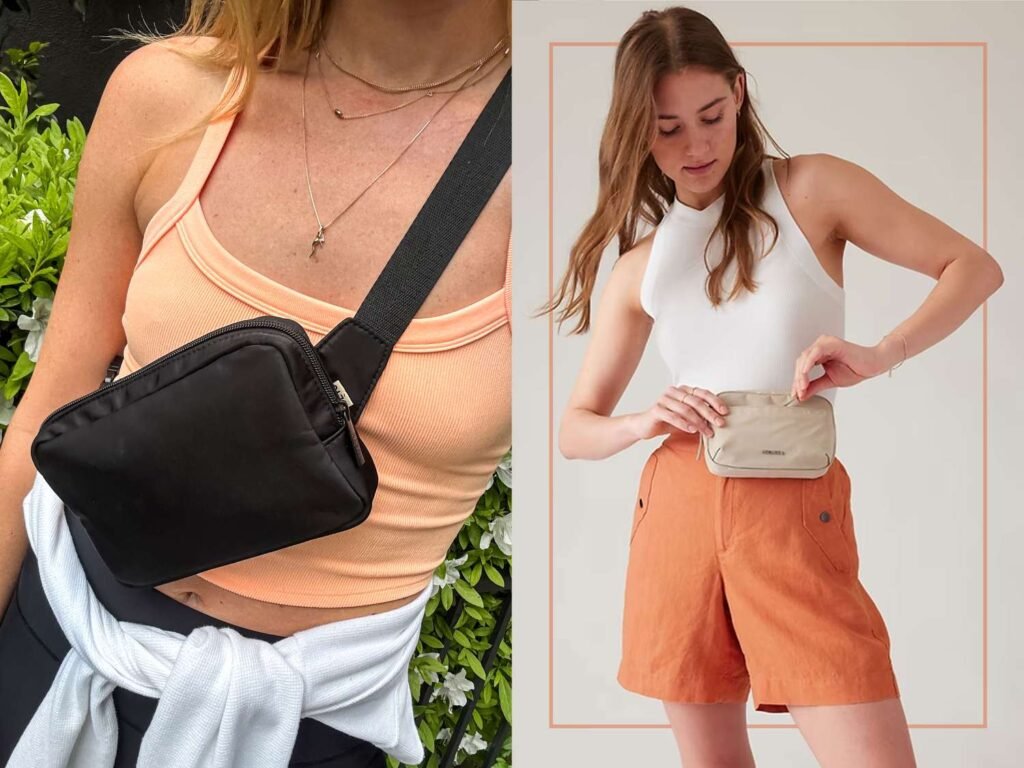
A waist money belt is the classic, worn around your middle. A neck or shoulder pouch hangs under your arm. A leg or ankle version hides under trousers. A bra pouch tucks valuables against your chest.
| Type | Best For |
| Waist money belt | The classic all-rounder |
| Neck or shoulder pouch | Quick document access |
| Leg or ankle belt | Deep, discreet storage |
| Bra or belt-loop pocket | Extra hidden backup |
What to Look For When Buying
Not all pouches are created equal. A few features separate the best from the rest.
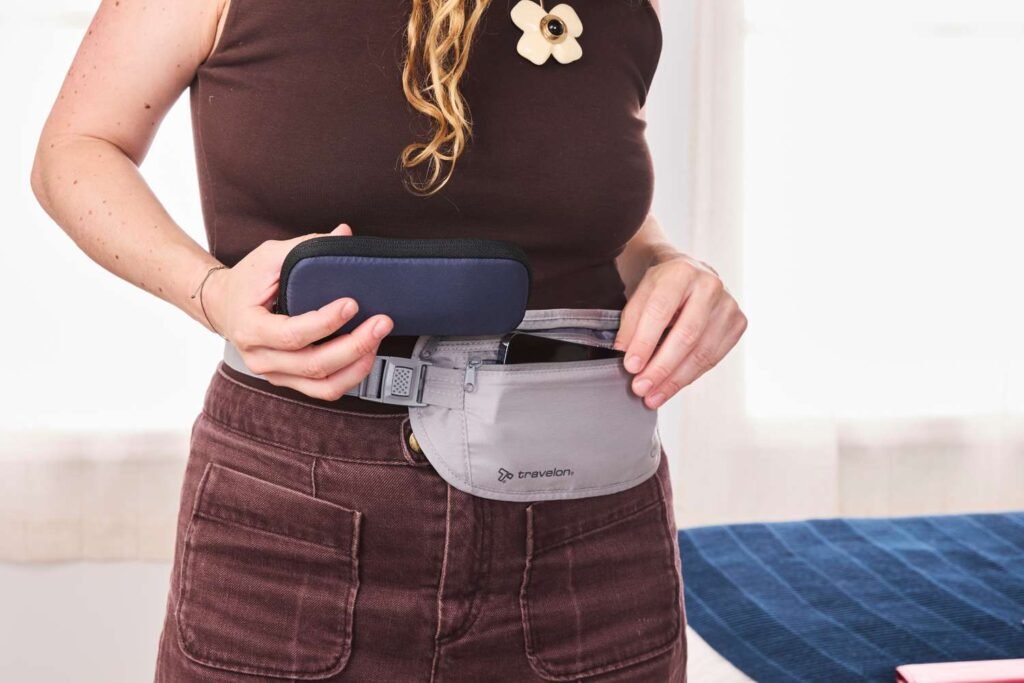
Choose breathable ripstop nylon over vinyl, since it sweats less. A slim, low-profile design hides better under clothes. An adjustable strap fits a range of waist sizes. Antimicrobial fabric cuts down on odor over long trips.
| Feature | Why It Matters |
| RFID blocking | Stops digital card and passport theft |
| Breathable ripstop nylon | Less sweat and odor |
| Slim, low profile | Stays hidden under a shirt |
| Adjustable, washable strap | Comfort and long-term freshness |
An rfid money belt adds a shield against digital theft. It blocks thieves from scanning your chipped cards. A waterproof money belt protects contents from rain and sweat. Pick the features that match how and where you travel.
For Men and Women
The core design works for everyone. Small tweaks help with fit and concealment.
A money belt for men hides well under an untucked button-down or polo. A quality mens money belt sits flat without adding bulk at the waist. For a slim fit, a men’s money belt in low-profile nylon works best. Size up if you plan to wear it over a base layer.
A money belt for women hides easily under a flowy top or blouse. A travel money belt for women can also sit higher or lower for comfort. Loose layers conceal even a fully loaded pouch. Choose a soft, breathable fabric for all-day wear.
Popular Brands to Know
A few names come up again and again with travelers. Each has a loyal following.
The rick steves money belt is a long-time favorite for simple, slim storage. A pacsafe money belt adds anti-theft features and RFID shielding. The civita money belt is known for a comfortable, low-profile fit. The eagle creek silk undercover money belt uses soft silk against the skin.
Read reviews and check sizing before you buy. The best travel money belt is the one you will actually wear. Comfort matters as much as security. An uncomfortable one gets left in the hotel.
Waist Pouch vs Neck Wallet
Travelers often debate these two options. Both hide valuables, but they feel different.
The waist style spreads weight around your middle for comfort. A neck wallet sits higher and reaches documents faster. The best money belt for international travel stays flat and breathable for long days. Your body type and climate often decide the winner.
In hot places, a waist pouch can feel sweaty against the skin. A neck wallet worn between layers suits cold trips. Try both at home before a big journey. The best money belt is simply the pouch you wear every day.
How Much to Carry and Where
Splitting your valuables is the smartest safety habit. Never keep everything in one place.
Store your passport and backup cash in your hidden pouch. Keep a day’s spending in a secure front pocket. A slim money pouch for travel can hold a second stash of cash. That way one loss never leaves you stranded.
Some travelers add a decoy wallet with small bills. Hand it over calmly if ever confronted. Keep the real valuables deep and out of sight. A hidden money belt for travel shines in exactly these moments.
Caring for Your Gear
A little upkeep keeps your pouch fresh and reliable. These small steps extend its life.
Air it out after each sweaty day on the road. Hand-wash it now and then with mild soap. Let it dry fully before you store it. Antimicrobial fabric needs less washing overall.
Check the strap and zippers before every trip. A worn strap can fail at the worst moment. Money pouches with sturdy stitching last for years. Replace yours if the elastic stretches out.
Common Mistakes to Avoid
This gear only works if you use it right. These slip-ups defeat the purpose.
Never use a fanny pack as one, since thieves target those first. Do not overstuff it, since bulges give it away. Never leave it hidden on the beach while you swim. Do not pull it out for every small purchase.
Store it properly at night in hostels. Wear it while you sleep or lock it up. Wash it now and then to keep it fresh. Try it on with your travel clothes before you leave.
Alternatives Worth Considering
A pouch is not the only way to travel safely. Some people prefer other tools.
A neck wallet worn cross-body under a shirt stays nearly invisible. Some travelers use a travel money pouch clipped inside a bag. Others rely on hidden zip pockets sewn into travel pants. A cross body money belt suits those who want quick access.
Many travelers mix methods for extra safety. A hidden money belt holds deep backup, while pockets carry daily cash. These pouches, or money belts in general, pair well with secure travel pants. Layering your defenses lowers your risk.
Travel Safety Tips
Smart habits protect you as much as any gadget. A few simple rules go a long way.
Split your cash and cards across a few spots. Know how much money can you take on a plane before you fly. Keep digital copies of your documents in the cloud. Research what documents are needed for a passport well before your trip.
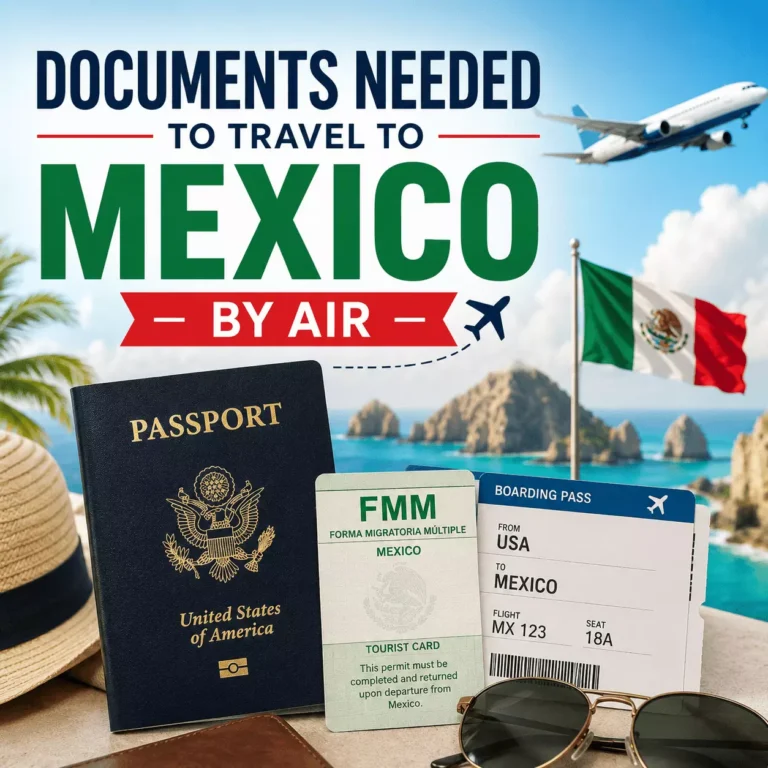
Order local currency in advance from a service like sainsburys travel money. Check entry rules early, such as the documents needed to travel to mexico by air. Look up local tips, like handling costa rica money in small towns. A little prep beats a lot of panic abroad.
When You Really Need One
These pouches shine in specific situations. Knowing when to use one helps you pack smart.
Crowded transport is prime pickpocket territory. Busy metros, trains, and markets call for hidden storage. Festivals and packed tourist sites raise your risk too. A discreet pouch gives you calm in the chaos.
Long travel days with all your documents also demand security. Overnight trains and hostel stays are classic examples. Wear your valuables while you sleep in shared rooms. Lock them up when a secure locker is available.
You may not need one for a quiet resort stay. A hotel safe can hold your passport instead. Match your gear to your real risk level. Over-securing a low-risk trip just adds hassle.
Packing Documents Safely
Your documents deserve the same care as your cash. A few habits keep them protected and dry.
Slip papers into a small plastic sleeve before zipping them away. Sweat and rain can ruin an unprotected passport. Keep a printed copy of key documents in your main bag. Store digital scans in the cloud as a final backup.
Carry only the documents you truly need each day. Leave spares locked safely in your room. A quick photo of each card helps if one is lost. Note the emergency numbers to cancel cards fast.
Staying Alert on the Road
Gear helps, but awareness matters just as much. Stay switched on in busy places.
Keep your bag zipped and in front of you in crowds. Be wary of staged distractions, a classic thief tactic. Do not flash large amounts of cash in public. Trust your gut and step away from tense situations.
Blend in rather than looking like a lost tourist. Confident, low-key travelers are less of a target. Learn a few local phrases to ask for help. A calm, aware mindset is your best defense. Preparation and awareness together keep your trip smooth and safe.
Frequently Asked Questions
What is this pouch used for?
It hides your passport, backup cash, and a spare card under your clothes. It protects valuables from pickpockets in busy areas. It is for emergencies, not daily spending.
How do you wear one properly?
Wear it flat on your lower abdomen, below your waistband, under a base layer. Center the pouch between your hip bones. Tuck your shirt over it for full concealment.
Is it still worth it?
Yes, these pouches still offer solid peace of mind for travelers. They keep your essentials hidden and secure. Pair one with front-pocket daily cash for the best results.
Does it set off airport security?
Versions without metal usually will not trigger the alarm. Still, staff may ask you to remove it for scanning. Take it off and place it in the tray to be safe.
What should I not keep in it?
Do not keep your daily spending money or everyday ID inside. Those belong in a front pocket or day wallet. Access it only in private, like a restroom.
Is it better than a neck wallet?
It spreads weight around your waist for all-day comfort. A neck wallet offers quicker access to documents. Many travelers use both for layered security.
Does it need RFID protection?
RFID blocking guards chipped cards and passports from digital scanning. It adds a useful layer for frequent travelers. If your cards are contactless, it is worth having.
Explore All 14 Travel Essentials Categories
- Luggage & Bags
- Packing Organisation & Cubes
- Travel Tech & Electronics
- Toiletries & Travel-Size
- Travel Comfort
- Travel Safety & Security
- Packing Lists by Trip Type
- Packing Lists by Destination
- Travel Documents & Money
- Travel Clothing & Footwear
- Health, Hygiene & First-Aid
- Airport, Airline & Rules
- Essentials Guide
- Essentials for Women, Men & Family